Your Cart is Empty


Over 17 million American adults experience voice problems each year, highlighting how common vocal strain really is. For anyone who relies on their voice for work or daily life, even mild hoarseness and discomfort can disrupt routines and confidence. Learning how to assess vocal strain and recognize triggers is the first and most important step toward long-term vocal health and prevention of serious issues.
| Main Insight | Explanation |
|---|---|
| 1. Identify Vocal Strain Triggers | Monitor your symptoms to recognize specific triggers impacting your voice for better recovery strategies. |
| 2. Prioritize Vocal Rest Techniques | Take short vocal breaks to prevent fatigue and allow your vocal cords to heal effectively. |
| 3. Maintain Optimal Hydration | Drink at least eight glasses of water daily to support vocal cord health and flexibility. |
| 4. Use Natural Remedies and Products | Incorporate herbal teas and specialized sprays to soothe your throat and aid recovery. |
| 5. Track Vocal Recovery Progress | Record and compare your vocal performance regularly to monitor improvement and adjust strategies. |
Understanding the root causes of your vocal strain is crucial for effective recovery and prevention. By learning to recognize the specific triggers impacting your voice, you can develop targeted strategies to restore vocal health and prevent future damage.
To assess vocal strain, start by carefully monitoring your symptoms and tracking potential triggers. Vocal cord injuries often result from professional voice use, particularly among singers, lecturers, and performers who rely heavily on their voice. Pay attention to warning signs like persistent hoarseness, throat discomfort, and unexpected pitch changes. These symptoms might indicate underlying vocal stress that requires immediate attention.
Key assessment strategies include maintaining a detailed vocal journal where you document:
Professional voice users should be especially vigilant. Vocal misuse and overuse can lead to significant communication disorders, potentially requiring specialized medical intervention. Listen to your body and recognize when your voice needs rest or professional evaluation.
Warning: Continuous vocal strain without proper intervention can result in long term damage to your vocal folds. If symptoms persist beyond two weeks, consult a voice specialist who can provide comprehensive diagnostic insights and personalized treatment recommendations.
Restoring your vocal health requires strategic and intentional rest. The goal is to minimize vocal strain and create an environment that allows your voice to recover naturally and effectively.
Taking short vocal naps throughout the day is a critical strategy for preventing prolonged vocal fatigue. These brief periods of silence give your vocal cords an opportunity to relax and recuperate, especially after extended speaking or singing sessions. Aim to incorporate 5 to 10 minute silent breaks every hour when possible, particularly during high vocal demand periods.
When experiencing vocal strain, reduce speaking and avoid whispering completely. Whispering actually creates more tension in your vocal folds and can exacerbate existing strain. Instead, use alternative communication methods like:
Pay close attention to your speaking pace and breath support. Speaking too quickly can lead to unnecessary vocal tension. Practice speaking slowly, with deliberate breaths and relaxed throat muscles.
Warning: If hoarseness persists beyond two weeks or you experience significant vocal discomfort, consult an ear, nose, and throat specialist to rule out potential underlying conditions.
Optimal throat health requires strategic hydration and thoughtful care. Your vocal recovery depends on understanding how to properly nourish and protect your delicate vocal system.

Drinking at least eight glasses of water daily is fundamental for maintaining vocal cord flexibility and enabling smooth vocal cord vibration. Water helps thin mucus, reduces inflammation, and supports overall vocal tract health. Focus on consistent hydration throughout the day, not just during moments of vocal strain.
Be mindful of additional factors that impact throat comfort. Avoid menthol lozenges and manage underlying conditions like allergies and indigestion that can cause throat inflammation. Choose throat soothing alternatives like herbal teas with honey, warm water with lemon, or specialized vocal recovery lozenges designed for singers and speakers.
Recommended hydration strategies include:
Warning: Smoking and secondhand tobacco exposure can severely damage vocal cord health. If you smoke, consider seeking support to quit, as tobacco directly irritates and dehydrates your throat.
Restoring your voice requires a strategic approach that combines natural healing techniques with targeted professional solutions. Understanding how to effectively support your vocal recovery can dramatically accelerate your healing process.
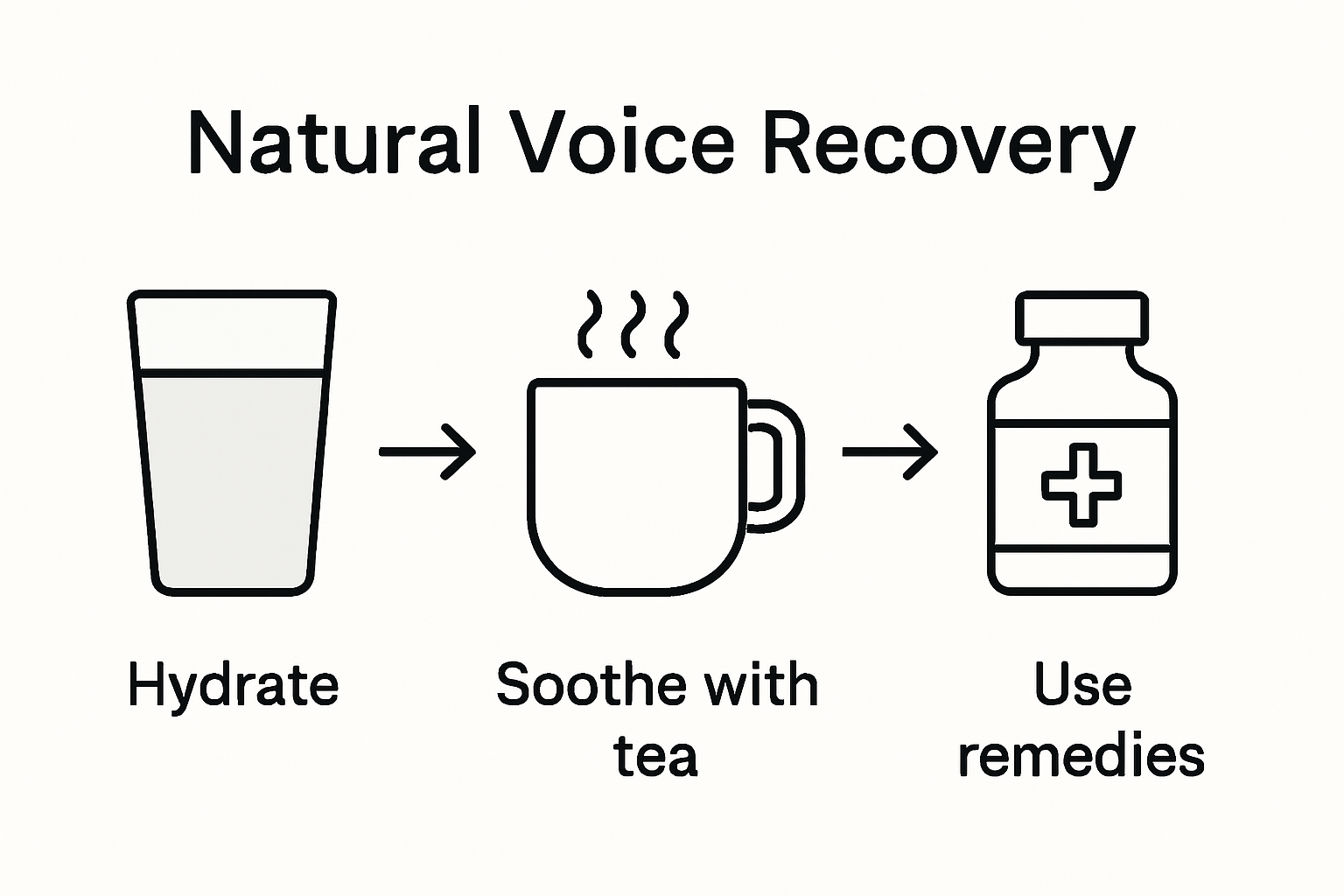
Maintaining good vocal hygiene is fundamental to preventing and addressing voice issues. Natural remedies can provide significant relief while supporting your vocal system’s healing mechanisms. Consider incorporating herbal teas with honey, which can soothe throat irritation and reduce inflammation. Ginger, licorice root, and slippery elm are particularly effective for throat comfort and mucus reduction.
Professional products specifically designed for vocal recovery can complement your natural treatment approach. Look for specialized throat sprays that contain natural ingredients like chamomile, marshmallow root, and propolis. These targeted formulations help lubricate vocal cords, reduce inflammation, and create a protective barrier against further irritation.
Recommended natural remedy strategies include:
Warning: While natural remedies are powerful, persistent voice problems require professional medical evaluation. If symptoms continue beyond two weeks, consult a voice specialist to rule out underlying conditions.
Vocal recovery is a dynamic process that requires careful monitoring and strategic adjustments. Your ability to recognize subtle changes and respond proactively will determine the speed and effectiveness of your healing journey.
Professional speech-language pathologists recommend systematic monitoring of vocal symptoms to track your recovery progress. Start by establishing a baseline assessment of your current vocal condition. Record yourself speaking or singing at different times of the day, noting pitch stability, vocal fatigue, and overall sound quality. Compare these recordings over time to objectively measure your vocal improvement.
Taking strategic vocal naps during peak vocal demand periods can help prevent further strain and support ongoing recovery. Implement 15 to 30 minute silent breaks, especially after intense vocal activities. Pay close attention to how your voice responds to different rest intervals and adjust your routine accordingly.
Key recovery tracking strategies include:
Warning: If vocal symptoms persist beyond two weeks or worsen despite careful management, consult an ear, nose, and throat specialist for professional evaluation.
Experiencing persistent hoarseness or vocal fatigue can feel frustrating especially when your voice is essential for your daily life or profession. The proven steps to restore your voice naturally outlined here highlight the importance of vocal rest hydration and gentle care. To complement these strategies explore our carefully crafted natural remedies and therapies designed for vocal health. Whether you need to soothe phlegm build-up or enhance vocal performance you will find targeted solutions in our Singer Enhancements - TMRG Solutions and Phlegm and Viscous Mucos - TMRG Solutions collections.

Don’t let vocal strain hold back your voice or confidence Take control of your vocal recovery now with over 25 years of expertise behind our natural herbal products trusted by vocal coaches and medical professionals. Visit https://tmrgsolutions.com to explore our full range of remedies and start your journey back to clear and strong vocal health today.
To assess vocal strain, monitor your symptoms and identify any triggers that lead to discomfort. Keep a vocal journal to track daily speaking duration, environments, and activities that may strain your voice, which can help you recognize when to rest.
Implement short vocal breaks, or ‘vocal naps,’ throughout the day to minimize strain. Aim for 5 to 10 minutes of silence every hour, especially after intense vocal use, to give your vocal cords a chance to recover.
Drink at least eight glasses of water daily to maintain vocal cord flexibility and reduce inflammation. Additionally, consider consuming herbal teas with honey and warm water with lemon, which can further soothe and protect your throat during recovery.
Incorporate natural remedies like warm herbal teas, steam inhalation, and gentle vocal exercises to soothe irritation and aid healing. Use these in conjunction with specific throat sprays or lozenges designed for vocal health to enhance your recovery process.
Track your vocal recovery by recording yourself speaking or singing and comparing these recordings over time. Regularly assess your vocal quality, note any fatigue, and adjust your practices based on how your voice responds to different activities and rest periods.
Consult a voice specialist if symptoms like hoarseness or discomfort persist beyond two weeks. It’s important to get a professional evaluation to address any underlying issues that may be affecting your vocal health.
