Your Cart is Empty


Vocal fold edema and swelling can affect pitch, clarity, stamina, and the effort required to speak or sing. Any persistent voice change should be assessed by a qualified ENT, laryngologist, or speech-language pathologist, especially if it is linked with pain, breathing changes, bleeding, or sudden voice loss.
TMRG products may support throat comfort, mucus management, hydration routines, and conservative daily maintenance, but they do not treat or cure edema. Use them alongside professional guidance, healthy technique, rest, and reducing irritants.
Relevant collection: Reinke’s Edema Voice Support Products.
Nearly two thirds of American professional singers experience noticeable vocal changes linked to vocal fold edema at some point in their careers. Even a minor swelling in the vocal folds can seriously affect sound quality and performance, making everyday speaking and singing feel strained. Understanding what triggers this condition and how it impacts the voice helps singers and vocal professionals make informed choices that protect their vocal health for years to come.
| Point | Details |
|---|---|
| Vocal Fold Edema Overview | Vocal fold edema leads to swelling and inflammation of the vocal folds, impacting vocal performance and quality. Early recognition of symptoms is crucial to prevent long-term damage. |
| Causes and Risk Factors | Major causes include smoking, GERD, vocal misuse, and environmental irritants. Recognizing and managing these risk factors helps protect vocal health. |
| Symptoms to Monitor | Key symptoms include persistent hoarseness, vocal fatigue, and changes in pitch. Singers should seek medical advice if these changes occur. |
| Recovery Strategies | Effective treatment requires smoking cessation, lifestyle modifications, and potential medical or surgical interventions. A personalized rehabilitation plan is essential for recovery. |
Vocal fold edema represents a complex medical condition where the vocal folds become swollen and inflamed, significantly disrupting vocal performance and quality. This condition occurs when fluid accumulates in the delicate tissues of the vocal folds, creating abnormal thickening that impairs normal vibration and sound production. Understanding Reinke’s edema reveals the intricate layers of vocal fold anatomy that can be affected.
The superficial lamina propria, a critical layer beneath the vocal fold’s surface, plays a crucial role in this condition. When this layer becomes swollen, singers experience significant vocal changes, including a distinctively gravelly, low-pitched voice. Smokers are particularly susceptible to this type of edema, which can transform vocal resonance and projection. Voice specialists describe this condition as polypoid corditis, highlighting the gelatinous substance that accumulates in the vocal fold tissues.
Specifically for singers, vocal fold edema presents several key challenges. The swelling directly impacts the vocal folds’ ability to vibrate smoothly, causing:- Reduced vocal range- Decreased vocal clarity- Increased vocal fatigue- Potential changes in pitch and tone- Difficulty maintaining consistent vocal performance
Recognizing the early signs of vocal fold edema is critical for performers. The condition develops gradually, often starting with minor vocal changes that can progressively worsen if left untreated. Professional vocalists should pay close attention to persistent vocal changes, unexplained hoarseness, and any discomfort during singing that doesn’t resolve quickly.
Vocal fold edema stems from multiple complex factors that can significantly impact a singer’s vocal health. Research on Reinke’s edema reveals that long-term smoking represents the most prominent cause of this condition. Tobacco smoke directly damages the delicate vocal fold tissues, creating inflammation and fluid accumulation that disrupts normal vocal function. Professional singers and performers who smoke are at substantially higher risk of developing this debilitating vocal condition.
Beyond smoking, several additional risk factors contribute to vocal fold edema. Gastroesophageal reflux disease (GERD) and laryngopharyngeal reflux (LPR) can cause chronic irritation to the vocal mechanism, leading to swelling and potential tissue damage. Clinical studies highlight that vocal misuse or abuse plays a significant role in edema development. This includes:
Environmental and lifestyle factors also contribute to vocal fold edema risk. Exposure to chemical irritants, persistent allergies, frequent respiratory infections, and chronic dehydration can create conditions that predispose singers to tissue inflammation. Professional vocalists must be particularly vigilant about managing these potential triggers, understanding that prevention requires a holistic approach to vocal health and wellness.
Professional singers should recognize that vocal fold edema is not an inevitable consequence of performance but a preventable condition. Regular vocal rest, proper hydration, avoiding smoke and irritants, managing reflux conditions, and maintaining excellent vocal technique can significantly reduce the risk of developing this challenging vocal disorder.
Vocal changes represent the most critical early indicator of vocal fold edema, signaling potential underlying tissue damage. Symptoms of Reinke’s edema demonstrate a gradual progression that can significantly impact a singer’s performance capabilities. Professional vocalists should be particularly attentive to subtle shifts in their vocal quality, which often manifest as a progressively deeper, more gravelly voice that requires increased effort to produce sound.
Voice foundation research indicates several key warning signs singers must monitor:
Beyond vocal quality changes, singers might experience additional physical symptoms that signal potential vocal fold edema. These can include neck discomfort, a feeling of tightness around the throat, and reduced vocal range. Professional performers should be particularly vigilant about any unexplained changes in their vocal mechanism, understanding that early detection can prevent more serious long-term vocal damage.
The most crucial step for singers experiencing these symptoms is seeking professional medical evaluation. A laryngologist or voice specialist can perform comprehensive diagnostic tests, including videostroboscopy, to accurately assess vocal fold condition. Ignoring early warning signs can lead to more extensive vocal tissue damage, potentially requiring more invasive treatment and longer recovery periods.
Research on vocal fold disorders reveals that vocal fold edema profoundly transforms a singer’s vocal capabilities, creating substantial challenges in performance and vocal production. The swelling fundamentally alters vocal fold vibration, resulting in significant changes to voice quality, range, and overall vocal control. Professional singers experience a dramatic shift in their instrument’s functionality, with the delicate vocal mechanism becoming increasingly unpredictable and restricted.
Vocal characteristics dramatically change with edema. Voice specialists describe the condition as producing a characteristic gravelly, low-pitched voice that differs markedly from a singer’s natural sound. The specific performance impacts include:
The physiological changes extend beyond simple sound modification. Vocal fold edema creates increased mass in the vocal folds, which fundamentally disrupts the delicate vibration mechanism responsible for sound production. This means singers experience not just a change in tone, but a complete transformation of their vocal instrument. Women tend to experience more dramatic changes, with the low-pitched, rough vocal quality becoming particularly pronounced.

For professional performers, these vocal alterations can represent a career-threatening condition. The unpredictability of vocal production means singers cannot rely on their traditional techniques, potentially leading to performance anxiety, reduced booking opportunities, and significant emotional stress. Recognizing these impacts early and seeking specialized medical intervention becomes crucial for maintaining vocal health and professional sustainability.
Research on Reinke’s edema treatment demonstrates that comprehensive recovery requires a multifaceted approach targeting the root causes of vocal fold inflammation. The primary strategy involves eliminating key contributing factors, with smoking cessation emerging as the most critical initial step for singers seeking vocal rehabilitation. Professional vocalists must understand that successful treatment extends far beyond medical intervention and demands significant lifestyle modifications.
The current medical approach to vocal fold edema typically involves two primary strategies:
Recovery strategies require a holistic approach that combines medical treatment with comprehensive vocal rehabilitation. Professional singers should work closely with a laryngologist and a specialized voice therapist to develop a personalized recovery plan. This plan typically involves gradual vocal exercises, careful monitoring of vocal load, and addressing any underlying health conditions that might contribute to vocal fold inflammation.
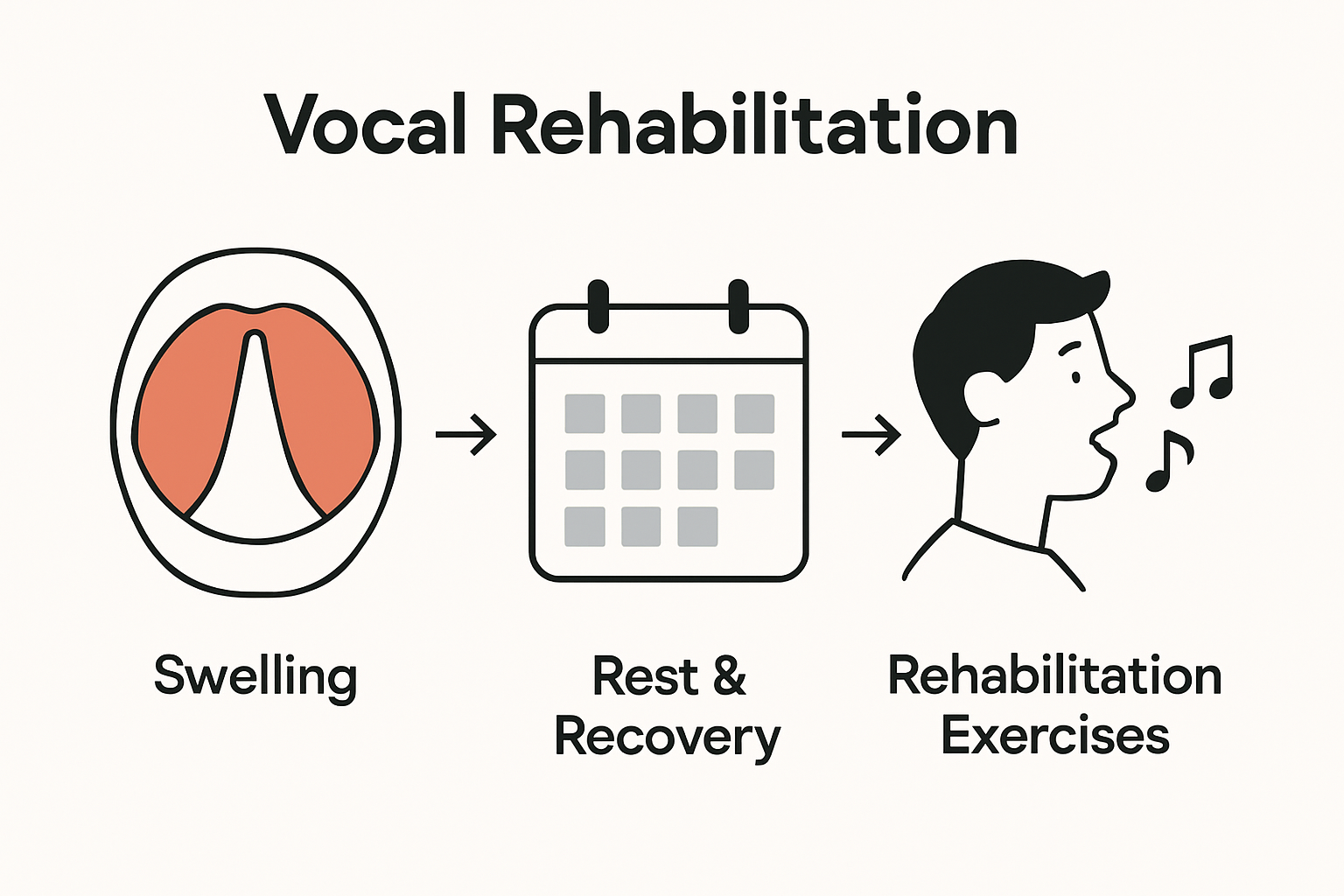
The rehabilitation process demands patience and commitment. Singers must be prepared for potentially extended periods of reduced vocal performance, focusing on healing rather than immediate return to full vocal capacity. Vocal rest becomes a crucial component of recovery, with strict guidelines about speaking and singing limitations. Follow-up assessments, potential surgical interventions, and consistent monitoring are essential to ensure complete recovery and prevent future vocal fold damage.
Vocal fold edema can cause serious challenges like reduced vocal range, increased vocal fatigue, and a gravelly voice that affects every performance. If you are experiencing persistent hoarseness or difficulty maintaining your vocal clarity, it is crucial to act now. At TMRG Solutions, we offer expert-backed natural remedies and voice therapy kits designed to support vocal fold healing and improve your overall vocal function. Our products help you manage inflammation and promote recovery while protecting your voice from further damage.

Explore our specialized solutions for vocal issues related to swelling and deteriorated vocal control in the Lack of proper adduction / breath voice - TMRG Solutions collection. Learn how to restore your voice safely using methods trusted by vocal coaches and medical professionals. Don’t wait until vocal fatigue or voice changes impact your career or passion. Visit https://tmrgsolutions.com now and take the important first step toward vocal health and performance recovery.
Symptoms of vocal fold edema include persistent hoarseness, noticeable raspiness in vocal tone, unexpected lowering of vocal pitch, increased vocal fatigue, and difficulty maintaining consistent vocal projection.
Treatment for vocal fold edema typically involves smoking cessation, potential surgical intervention to remove excessive mass, voice therapy rehabilitation, lifestyle modifications, and the management of underlying conditions such as reflux.
Vocal fold edema can be caused by long-term smoking, vocal misuse or abuse, gastroesophageal reflux disease (GERD), environmental irritants, allergies, and chronic dehydration, among other factors.
Vocal fold edema disrupts the normal vibration of the vocal folds, leading to reduced vocal range, decreased clarity, increased fatigue, and significant changes in pitch and tone, which can severely affect a singer’s performance capabilities.
