Your Cart is Empty


Most American singers discover early that even minor technique mistakes can lead to persistent fatigue and lost performance days. The demands of the stage make vocal health a global concern, and every professional knows the frustration of battling strain when artistry should shine. Mastering vocal fundamentals—like precise breath control and coordinated muscle support—offers proven ways to protect your instrument and unlock natural options for recovery and resilience, no matter where you step on stage.
| Point | Details |
|---|---|
| Understanding Vocal Technique | Vocal technique involves breath control, vocal fold vibration, resonance, and muscular coordination to produce high-quality sound. Mastery requires dedicated practice and individualized approaches. |
| Diverse Vocal Styles | Vocal techniques vary significantly across genres such as classical, musical theatre, and contemporary commercial music. Each style demands specific skills and physiological adaptations. |
| Health and Injury Prevention | Proper vocal technique is essential for vocal health and longevity. Consistent practice and awareness can prevent injuries and enhance performance capabilities. |
| Common Mistakes | Vocal injuries often stem from improper breathing, excessive strain, and inadequate hydration. Establish a routine to avoid these pitfalls and promote healthy vocal practices. |
Vocal technique represents the systematic approach professional singers use to control, develop, and optimize their vocal instrument. At its core, vocal technique involves precise management of breath control, vocal fold vibration, resonance, and muscular coordination to produce high-quality sound consistently and safely. Understanding these fundamental elements transforms raw vocal potential into refined artistic expression.
The science behind vocal technique goes far beyond simple sound production. Vocal pedagogy research from the National Association of Teachers of Singing reveals that effective vocal technique integrates anatomical knowledge with precise physiological control. Singers must develop intricate muscle memory that allows them to manipulate airflow, adjust resonance chambers, and maintain optimal laryngeal positioning without conscious micromanagement.
Core vocal technique components include:
Successful vocal technique requires dedicated practice, understanding of individual anatomical differences, and patient skill development. Singers must learn to work with their unique physical instrument, recognizing that technique is both a scientific process and an artistic journey.
Pro Tip: Start each vocal practice session with targeted breathing exercises to build foundational muscle memory and improve overall vocal control.
Vocal techniques represent a diverse landscape of stylistic approaches, each requiring unique skills and specialized training. Comparative research on global vocal pedagogy reveals that vocal styles differ dramatically across cultural and performance contexts, ranging from classical opera to contemporary commercial music.
Major vocal technique styles can be broadly categorized into several key genres:
The scientific evaluation of vocal techniques demonstrates that each style demands specific physiological adaptations. Professional singers must develop nuanced muscle control, understanding that technique goes beyond simple sound production. It involves intricate coordination of breath, resonance, and muscular engagement tailored to specific performance requirements.
Understanding these diverse vocal techniques allows singers to expand their artistic range, cross genre boundaries, and develop a more comprehensive vocal skillset. Successful performers recognize that mastery involves not just technical proficiency, but also deep cultural and emotional understanding of different musical expressions.
Here’s a summary comparing major vocal technique styles:
| Vocal Style | Key Skill Focus | Common Performance Contexts | Distinctive Feature |
|---|---|---|---|
| Classical | Breath control, projection | Opera, concert halls | Emphasis on vocal purity and resonance |
| Musical Theatre | Range, emotional expression | Broadway, stage musicals | Drama and clear diction |
| Contemporary Commercial | Stylistic flexibility | Pop, rock, commercial music venues | Genre-specific vocal effects |
| Jazz and Blues | Tonal manipulation | Clubs, recording studios | Improvisation and vocal nuance |
| Folk and World | Regional techniques | Local, cultural, and global events | Culturally-rooted vocal styles |
Pro Tip: Regularly practice vocal exercises from multiple technique styles to enhance overall vocal flexibility and adaptability.
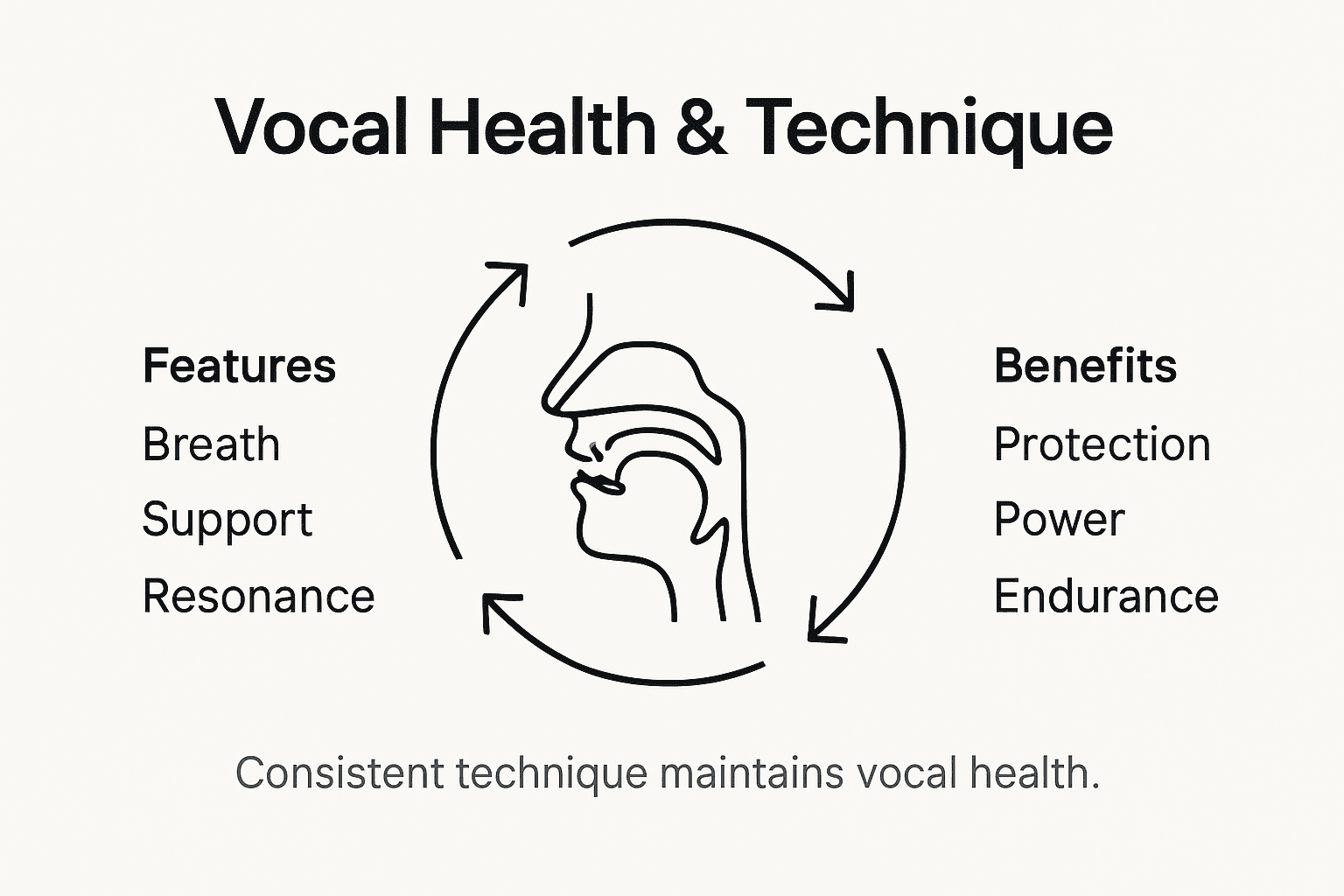
Breath, support, and resonance represent the fundamental pillars of exceptional vocal technique, forming an intricate physiological symphony that transforms raw sound into artistic expression. Advanced vocal production mechanisms reveal how these three interconnected systems work together to create powerful, nuanced vocal performance.
The core components of vocal production include:
Comprehensive vocal production research demonstrates that professional singers must develop extraordinary neuromuscular coordination. Each vocal system demands precise control, with breath providing the foundational energy, support maintaining structural integrity, and resonance transforming raw sound into refined musical expression.
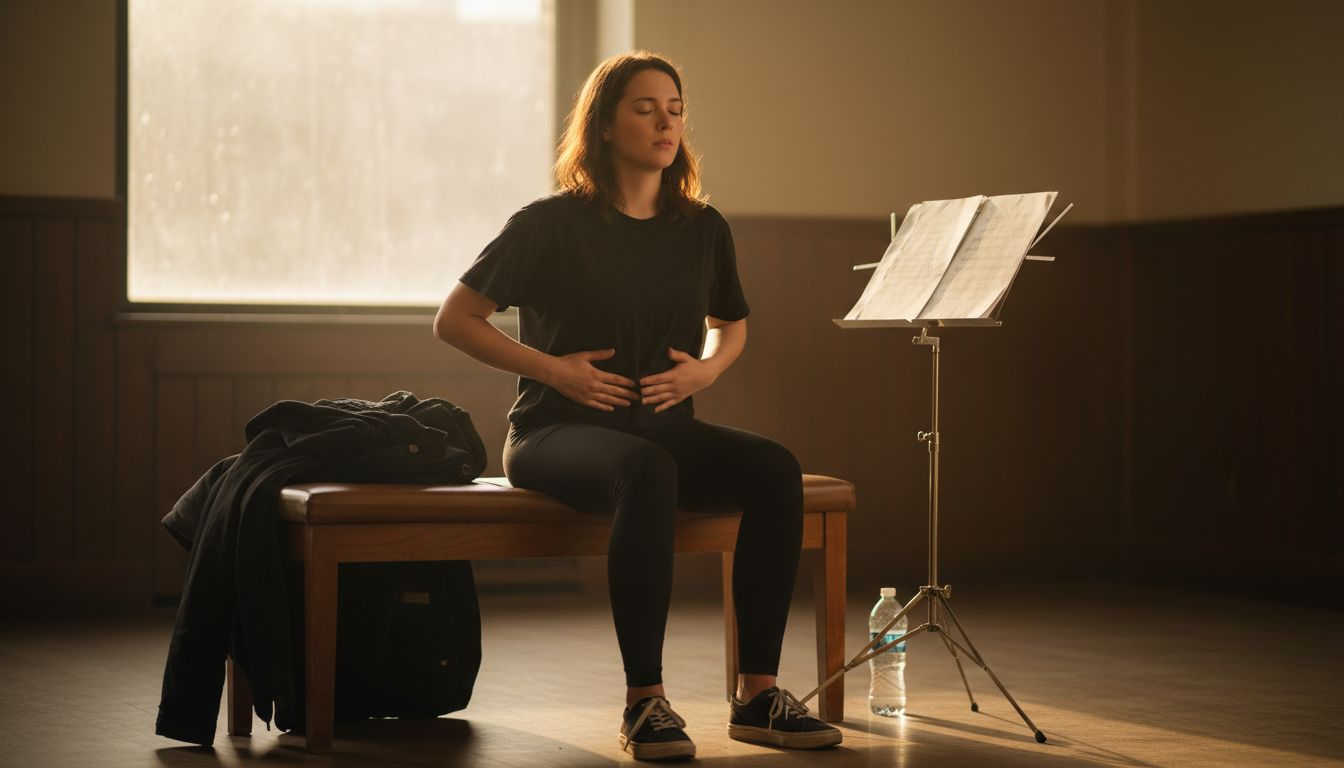
Mastering these interconnected features requires dedicated practice, anatomical understanding, and mindful physical awareness. Singers must learn to integrate these complex physiological systems, transforming technical skill into intuitive, emotionally compelling vocal performance.
Pro Tip: Practice daily breathing exercises that focus on diaphragmatic expansion and controlled exhalation to develop foundational vocal support.
Vocal technique is far more than an artistic pursuit—it’s a critical pathway to long-term vocal sustainability and professional performance quality. Systematic research on vocal training demonstrates that consistent, well-structured technique directly impacts acoustic parameters, overall vocal health, and performers’ long-term career potential.
Key impacts of proper vocal technique include:
Contemporary vocal pedagogy research reveals that individualized training approaches significantly decrease vocal injury risks while simultaneously improving performance capabilities. Professional singers who invest in comprehensive technique development can expect not just immediate performance improvements, but sustained vocal health throughout their careers.
The connection between technique and health is profound. Proper breathing, support, and resonance strategies act as protective mechanisms, allowing performers to express themselves powerfully without compromising their most essential instrument—their voice. Understanding these intricate relationships empowers singers to transform technical skill into sustainable artistic expression.
Pro Tip: Incorporate weekly vocal health assessments and gentle recovery exercises to maintain optimal vocal condition and prevent potential strain.
Vocal injury represents a critical concern for professional singers, with numerous preventable mistakes threatening long-term performance capabilities. Comprehensive vocal injury prevention strategies reveal that most vocal damages stem from predictable and manageable behaviors that can be systematically addressed through targeted interventions.
Common vocal technique mistakes that increase injury risk include:
Research on adaptive vocal training demonstrates that proactive prevention requires comprehensive awareness and systematic skill development. Professional singers must recognize that vocal health is not merely about avoiding injury, but actively cultivating resilience through informed practice and self-monitoring.
Understanding the intricate relationship between technique and physiological limits allows performers to develop sustainable vocal practices. By implementing strategic exercises, maintaining consistent self-assessment, and respecting individual vocal boundaries, singers can dramatically reduce injury risks while preserving their most valuable artistic instrument.
To help prevent injury, here’s a table outlining common mistakes and their suggested prevention strategies:
| Mistake | Associated Risk | Prevention Strategy |
|---|---|---|
| Shallow breathing | Poor support, vocal fatigue | Train diaphragmatic breathing |
| Overexertion (yelling/stretch) | Vocal fold strain | Respect vocal limits, gradual progression |
| Skipping warm-ups | Increased injury likelihood | Establish daily warm-up routines |
| Inadequate hydration | Dryness, raspiness | Drink water before and during singing |
| Poor posture | Neck/throat muscle tension | Practice neutral, upright alignment |
Pro Tip: Develop a personalized vocal health journal to track practice intensity, hydration levels, and any emerging physical sensations or discomfort.
Mastering vocal technique requires precise breath control, resonance, and vocal support to protect and empower your voice. If you experience challenges like vocal fatigue, hoarseness, or inconsistent tone, integrating professional-grade natural remedies and enhancements can make a crucial difference. Our selection of Singer Enhancements - TMRG Solutions products is specifically designed to support your vocal muscles, improve hydration, and promote healthy phonation.

Take your vocal health seriously by combining consistent technique practice with proven natural care from https://tmrgsolutions.com. Explore our full range of All Products - TMRG Solutions to find solutions that help maintain voice clarity, prevent strain, and speed recovery. Start enhancing your vocal endurance and express your full artistic potential now. Visit us today and experience the benefits of professional vocal care tailored for singers, actors, and voice professionals.
Vocal technique refers to the systematic methods professional singers use to control and optimize their voice, focusing on breath control, vocal fold vibration, resonance, and muscular coordination to produce high-quality sound.
To improve your vocal technique, practice targeted breathing exercises, develop muscle memory, and experiment with various vocal styles to enhance flexibility and adaptability in your singing.
The main components of vocal technique include breath support, phonation, resonance, articulation, and registration, all of which are crucial for producing a consistent and high-quality vocal sound.
Proper vocal technique helps prevent injury, enhances sound quality, extends performance longevity, and allows for emotional expression, ultimately promoting sustainable vocal health throughout a singer’s career.
