Your Cart is Empty


More than 17 million American adults struggle with voice problems each year, yet many people do not realize how much these issues affect daily life and career success. From professional singers to teachers, the risk of vocal strain is real for anyone relying on their voice. Discover how specialized voice therapy offers a proven path toward restoring vocal strength, protecting your voice, and improving communication in work and personal settings.
| Point | Details |
|---|---|
| Voice Therapy Overview | Voice therapy is a specialized intervention aimed at restoring and optimizing vocal performance for individuals facing vocal challenges. |
| Target Audience | Professionals such as singers, public speakers, and those recovering from vocal injuries benefit significantly from voice therapy. |
| Therapy Process | Successful voice therapy includes assessment, personalized exercises, and ongoing monitoring to develop sustainable vocal skills. |
| Common Pitfalls | Awareness of vocal abuse behaviors, like chronic throat clearing and improper breathing, is crucial for maintaining vocal health. |
Voice therapy represents a specialized approach to healing and optimizing vocal performance, designed to address a wide range of vocal challenges. At its core, voice therapy helps individuals restore, strengthen, and rehabilitate their vocal capabilities through targeted exercises and professional guidance. Voice therapy aims to rehabilitate patients’ voices to a functional level that meets daily communication needs, making it an essential intervention for anyone experiencing vocal difficulties.
Professionals who provide voice therapy include speech-language pathologists, respiratory therapists, and specialized voice coaches. These experts work with patients to diagnose and treat various voice disorders, from temporary hoarseness to more complex vocal cord conditions. Voice therapy involves specific vocal cord exercises to prevent or treat voice disorders like hoarseness and laryngitis, helping patients regain vocal control and improve overall vocal health.
People who might benefit from voice therapy include:
The therapy process typically involves comprehensive assessment, personalized exercise programs, and ongoing monitoring. Patients learn critical techniques such as proper breathing methods, vocal cord strengthening exercises, and strategies for maintaining vocal hygiene. Success depends on accurate diagnosis, professional guidance, and consistent patient practice and commitment to recommended techniques.
Voice therapy encompasses a diverse range of specialized techniques designed to address specific vocal challenges and conditions. Voice therapy techniques target multiple vocal parameters including vocal fold closure, pitch, volume, and overall voice quality, making it a versatile treatment approach for various vocal disorders and communication needs. These targeted interventions help individuals improve their vocal capabilities through personalized strategies and professional guidance.
Some prominent types of voice therapy include:
The Lee Silverman Voice Treatment (LSVT LOUD) represents a specialized approach particularly effective for speech disorders associated with Parkinson’s disease, concentrating on increasing vocal loudness through structured therapeutic sessions. This method demonstrates how targeted voice therapy can dramatically improve communication abilities for individuals with specific neurological challenges.
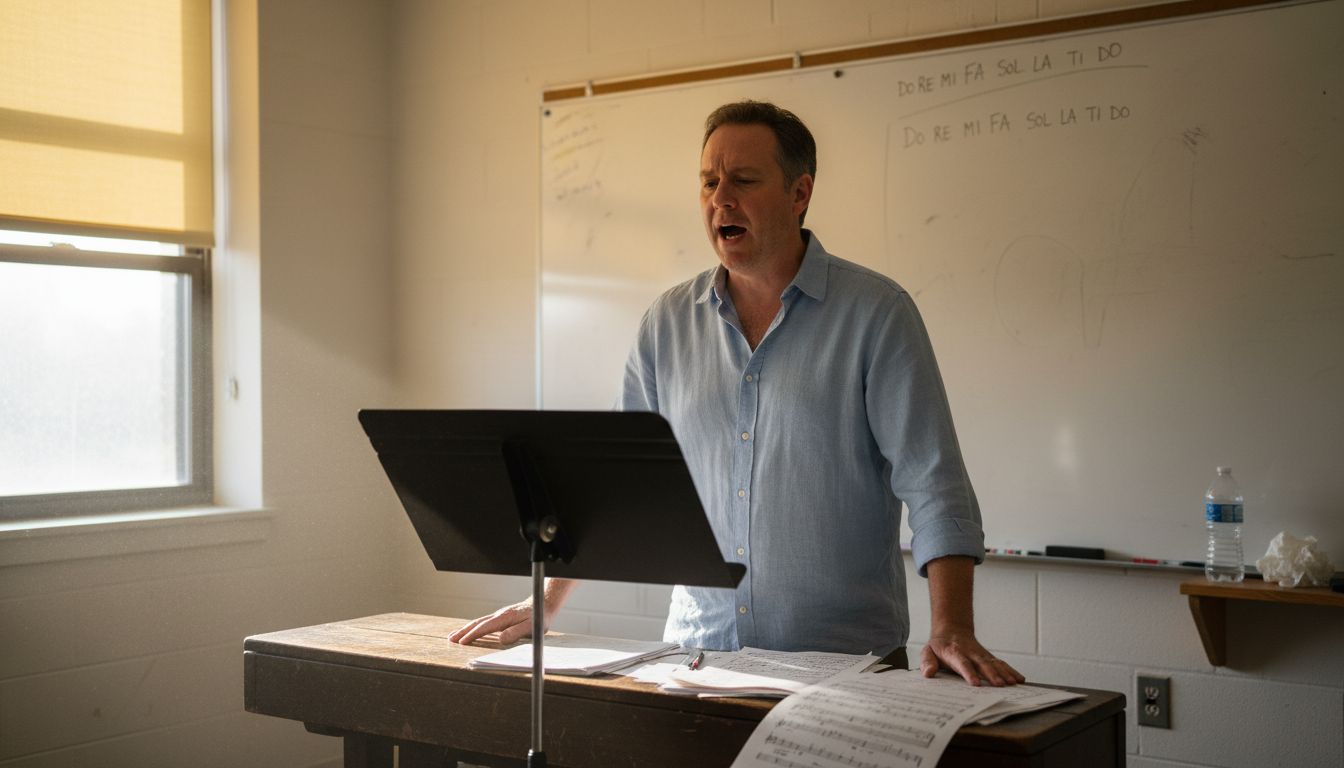
Each voice therapy type is carefully designed to address unique vocal requirements. Respiratory techniques, vocal cord strengthening exercises, and sound modulation practices form the core of most therapeutic approaches. Success depends on accurate diagnosis, the patient’s commitment to practice, and ongoing collaboration with experienced speech-language professionals who can customize treatment strategies to individual needs and goals.
Voice therapy sessions are comprehensive interventions designed to improve vocal function through targeted exercises and professional guidance. These specialized sessions typically begin with a thorough assessment of the patient’s current vocal capabilities, identifying specific challenges and developing a customized treatment plan tailored to individual needs.
A typical voice therapy session includes multiple critical components:
Voice therapy incorporates learning about voice mechanics, vocal hygiene, and performing specialized respiratory exercises, with home practice being a crucial component for successful rehabilitation. Patients work closely with speech-language pathologists who provide personalized instructions, demonstrating specific exercises and monitoring progress through regular follow-up sessions.
The ultimate goal of voice therapy is to help individuals develop sustainable vocal techniques, reduce strain, and improve overall communication abilities. Success requires active participation, consistent practice, and a commitment to implementing learned techniques in daily communication scenarios. Patients gradually build vocal strength, improve sound production, and gain confidence in their ability to communicate effectively across various personal and professional contexts.
Voice therapy offers significant potential for preventing and healing vocal cord disorders, promoting better vocal cord vibration and overall vocal health. The outcomes of voice therapy are highly individualized, depending on factors such as the specific vocal challenge, patient commitment, and the underlying condition being addressed. Patients can expect a comprehensive approach that goes beyond simple symptom management, focusing on long-term vocal resilience and improved communication capabilities.
Typical benefits of voice therapy include:
The ultimate goal of voice therapy is to rehabilitate the patient’s voice to a functional level that meets daily communication needs, with success directly tied to accurate diagnosis and patient compliance. Realistic expectations are crucial. While dramatic transformations can occur, progress is typically gradual and requires consistent practice and dedication. Some patients may see significant improvements within weeks, while others might need several months of consistent therapy to achieve their desired vocal outcomes.
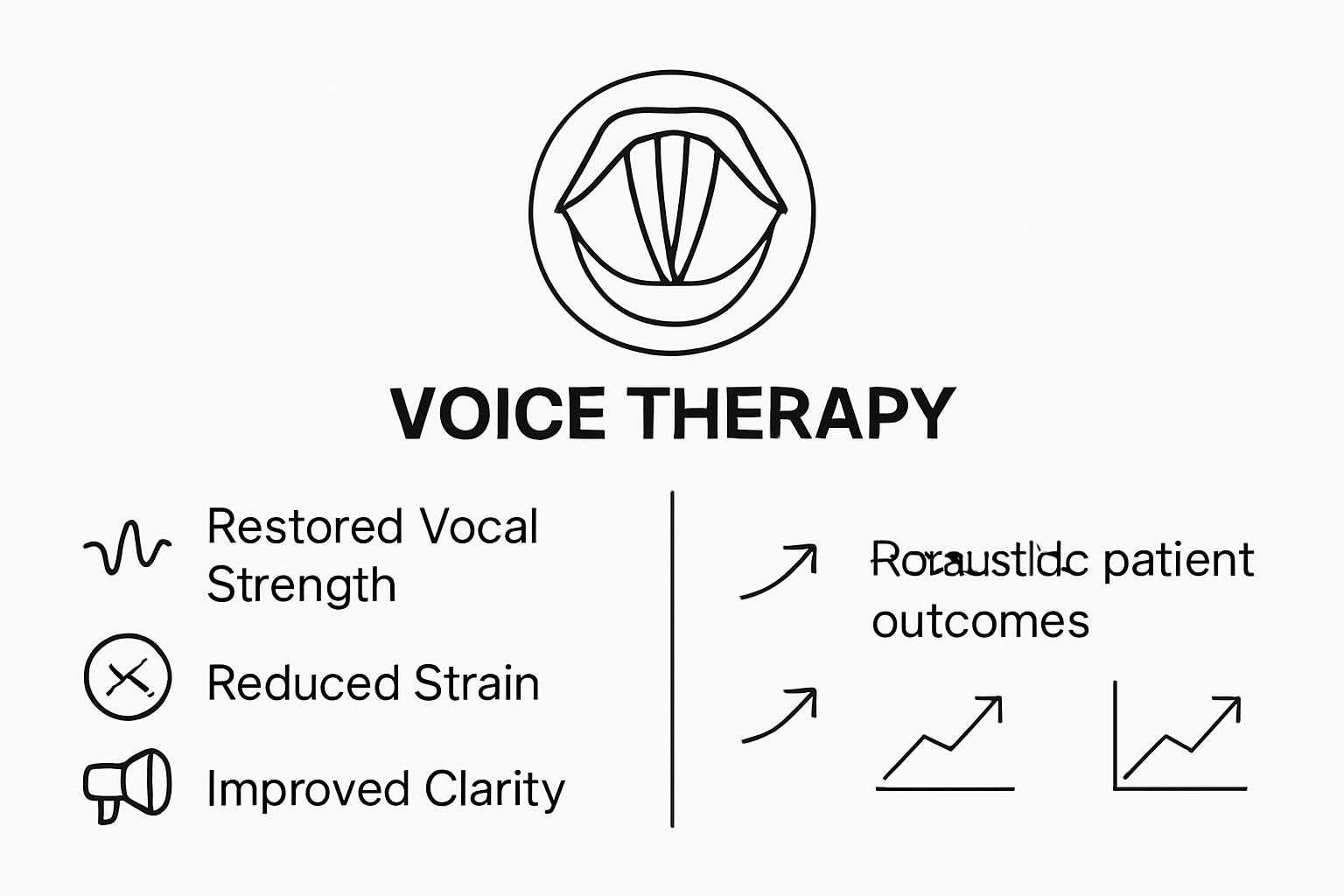
Patients should understand that voice therapy is a collaborative process. The most successful outcomes emerge from active participation, following prescribed exercises, and maintaining open communication with speech-language pathologists. Individual results vary, but many patients report substantial improvements in vocal quality, reduced discomfort, and increased confidence in their ability to communicate effectively across personal and professional settings.
Voice problems can stem from numerous everyday habits that individuals often overlook, including talking too loudly or quietly, poor vocal techniques, and environmental stressors. Understanding these potential pitfalls is crucial for maintaining vocal health and preventing long-term damage to your vocal mechanism.
Common vocal mistakes that can lead to complications include:
Immediate medical consultation is recommended if you experience persistent symptoms such as chronic hoarseness, complete voice loss, neck pain, a sensation of a lump in your throat, shortness of breath, or difficulties with speech and swallowing. These warning signs could indicate underlying serious conditions that require professional medical assessment and potentially specialized voice therapy intervention.
Prevention and early intervention remain the most effective strategies for maintaining vocal health. Professional voice users like singers, teachers, and public speakers should be particularly vigilant about monitoring their vocal performance, implementing proper vocal hygiene practices, and seeking expert guidance at the first sign of persistent vocal discomfort or changes in vocal quality.
Struggling with hoarseness, vocal fatigue, or recovering from voice surgery can feel frustrating and limiting. The article highlights how consistent voice therapy and professional techniques are essential for rebuilding vocal strength and clarity. But to truly support your journey, targeted natural remedies and carefully crafted products can accelerate healing, reduce strain, and boost endurance. Explore our Singer Enhancements - TMRG Solutions collection designed specifically for vocal professionals and enthusiasts who rely on their voice daily.

Take control of your vocal health now by visiting https://tmrgsolutions.com to discover our full range of natural sprays, oils, and therapy kits. Don’t let vocal fatigue or hoarseness hold you back. Combine expert voice therapy concepts with trusted solutions from Phlegm and viscous mucos - TMRG Solutions to soothe and clear your vocal cords effectively. Start your path toward a stronger, clearer, and healthier voice today.
Voice therapy is a specialized approach aimed at healing and optimizing vocal performance. It helps individuals restore, strengthen, and rehabilitate their vocal capabilities through targeted exercises and professional guidance.
People who can benefit from voice therapy include professional singers, public speakers, individuals with chronic throat issues, those recovering from vocal cord surgery, and anyone who uses their voice extensively in their occupation.
Voice therapy can address a variety of vocal challenges such as temporary hoarseness, vocal cord conditions, and communication difficulties related to neurological disorders.
A typical session involves an initial vocal assessment, breathing techniques, vocal cord strengthening exercises, and tension release practices. Patients work closely with speech-language pathologists who customize the treatment based on individual needs.
