Your Cart is Empty


Heavy voice use can leave the voice feeling tired, rough, dry, or harder to control. This collection is for singers, teachers, speakers, cantors, actors, coaches, and presenters who want practical support for vocal comfort and daily maintenance during demanding voice schedules.
Vocal load is the amount of stress placed on the voice through speaking, singing, projecting, rehearsing, teaching, or performing. Long sessions, loud environments, limited rest, illness, dryness, and poor technique can all increase strain. If symptoms are severe, painful, recurring, or persistent, seek guidance from an ENT, laryngologist, speech-language pathologist, or qualified voice professional.
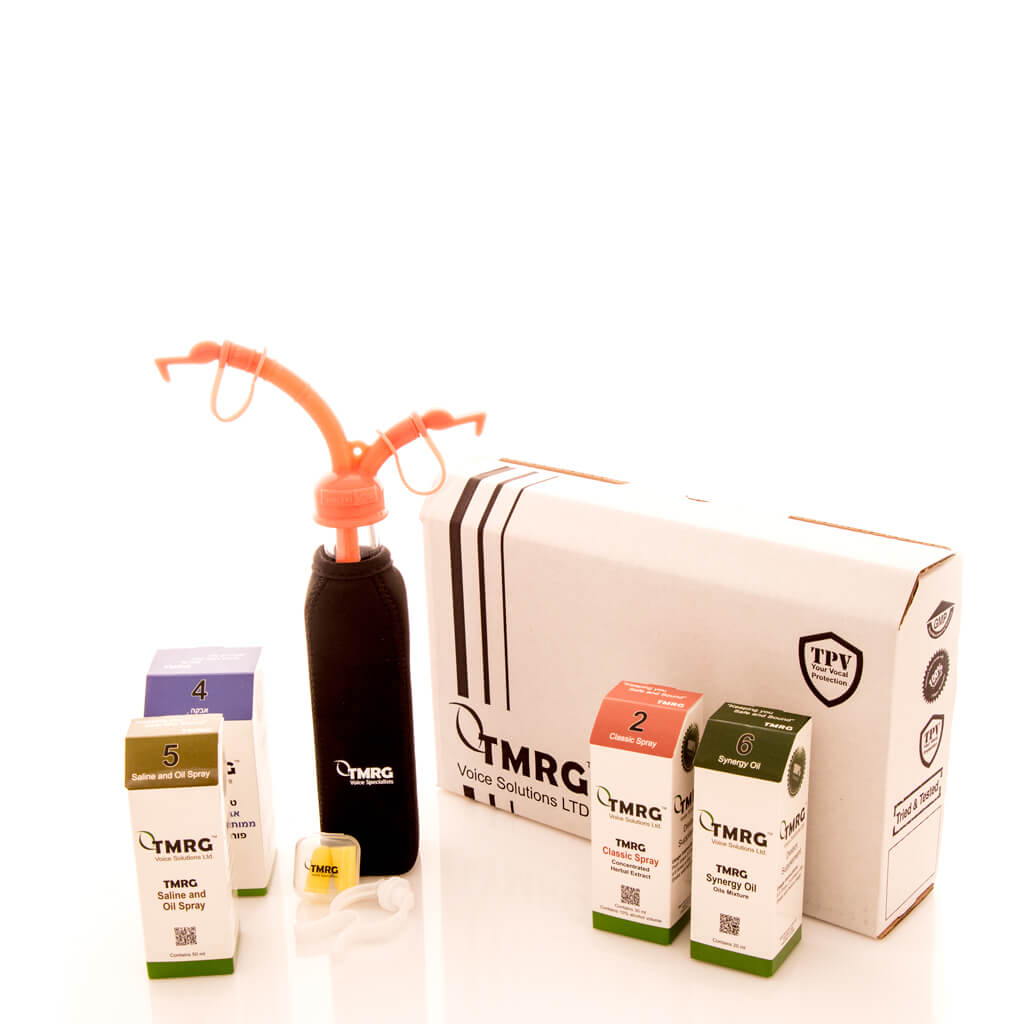
TMRG products are designed to fit alongside healthy vocal hygiene: hydration, warmups, cooldowns, rest, technique work, and avoiding unnecessary throat clearing or pushing. Use this collection to compare products that support throat moisture, mucus management, and clearer-feeling vocal production during periods of high voice demand.
Yes. Heavy or inefficient voice use can contribute to temporary changes in vocal quality. Persistent hoarseness should be evaluated by a professional.
Many voice users prioritize rest, hydration, gentle warmups, reducing irritants, and a consistent voice-care routine.
No. TMRG products may support comfort and routine care, but they do not replace diagnosis, medical care, voice therapy, or technique coaching.