Your Cart is Empty

For light throat mucus, sticky phlegm, or a coated voice, start with gentle vocal support and hydration-focused care. Use the options below by severity level, and read the guide lower on this page for causes, voice-care tips, and when to seek professional advice.
$119.98


$119.98
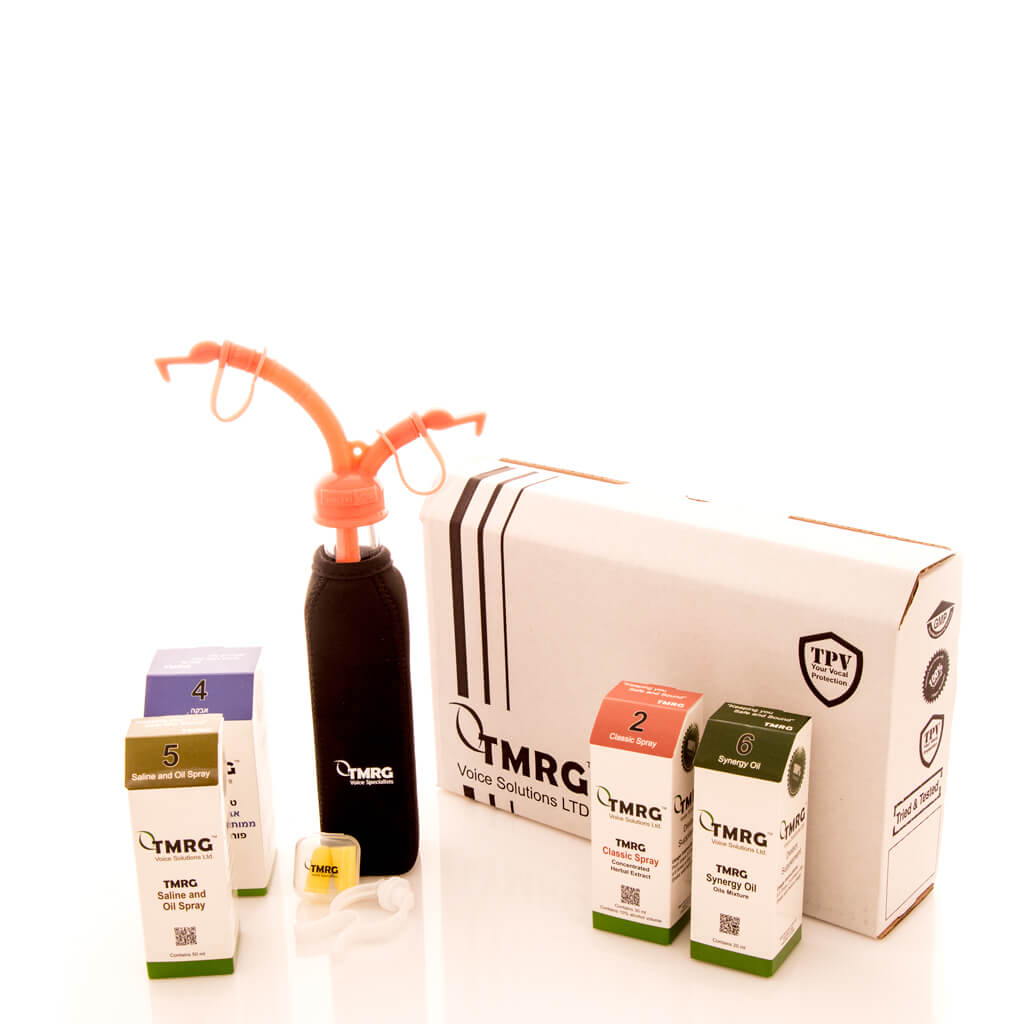
For recurring mucus that affects speaking, singing, or vocal comfort, consider a stronger daily voice-support routine. These products are intended to significantly improve day-to-day voice comfort, clarity, and vocal hygiene support, not diagnose or treat a medical condition.
$349.99

$349.99
If mucus, throat clearing, or voice changes are persistent, severe, or worsening, consult a qualified medical or voice professional. The products below can support a broader vocal-care routine alongside professional guidance.
$349.99

$349.99
Vocal cord phlegm can make the voice feel coated, sticky, tired, or harder to control. Singers, teachers, lecturers, cantors, actors, coaches, and public speakers often notice it most when they need clean tone, easy projection, or reliable high notes. This page explains common reasons mucus can build around the voice and helps you choose TMRG products that support vocal comfort and a cleaner-feeling voice-care routine.
Phlegm is mucus that may collect in the throat or around the larynx. It can be influenced by respiratory irritation, allergies, reflux, dry air, heavy voice use, poor hydration, or repeated throat clearing. When mucus feels thick or sticky, the vocal folds may not come together as smoothly, and the voice can feel less flexible, less resonant, or less predictable.
TMRG products can significantly improve the customer’s voice under these conditions by supporting mucus management, throat comfort, easier phonation, clearer resonance, and a more consistent daily vocal-care routine. They are not a substitute for diagnosis or medical treatment, but they can make a meaningful difference in how the voice feels and performs for many high-demand voice users.
A useful routine usually combines hydration, gentle warmups, vocal pacing, and avoiding repeated hard throat clearing. Many voice professionals also pay attention to reflux triggers, dry environments, and recovery time after intense use. TMRG products on this page are positioned as voice-support products for comfort and daily vocal hygiene.
Use the product recommendations above as a practical starting point. Light mucus may only need gentle daily support. Moderate or recurring phlegm may call for a more consistent routine. Severe or persistent symptoms should be discussed with an ENT, laryngologist, speech-language pathologist, or other qualified professional.
For related issues, review Phlegm and Viscous Mucus Products, Sinus and Nasal Congestion Voice Support, and Hoarseness Voice Support.
Many customers use TMRG products to significantly improve comfort, clarity, and easier voice use when mucus or phlegm interferes with speaking or singing. If symptoms are severe, painful, or persistent, seek professional evaluation.
Repeated hard throat clearing can irritate the voice. Gentle hydration, steam or humidification when appropriate, and a consistent vocal-care routine are usually safer first steps.