Your Cart is Empty


TL;DR:
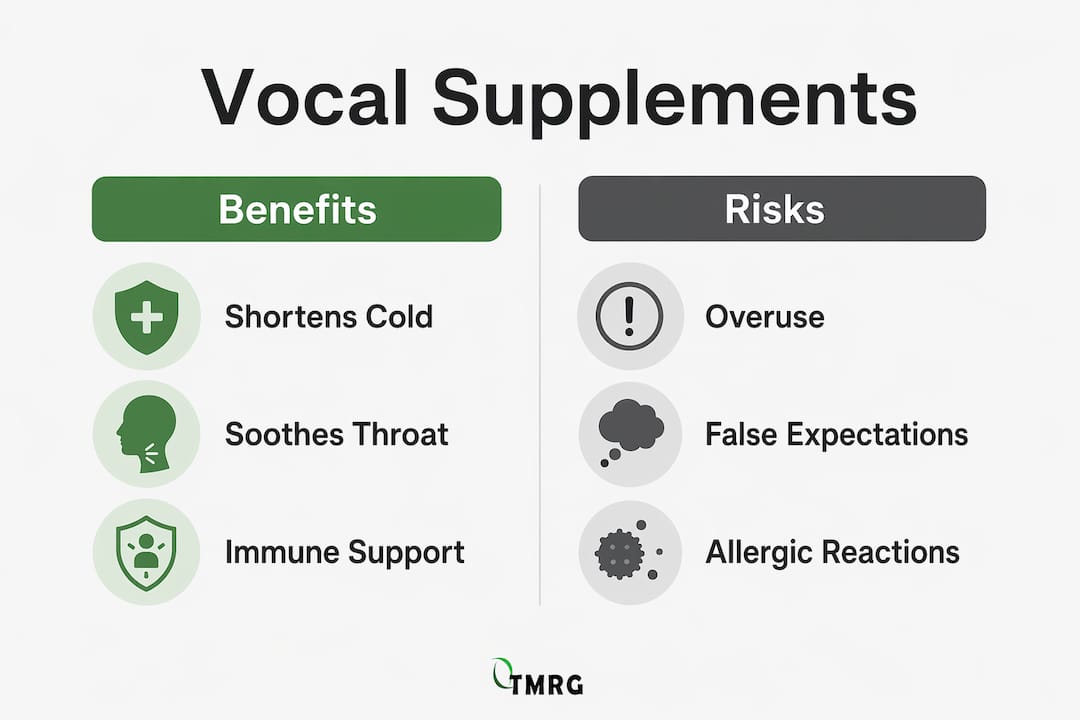
- Effective vocal support supplements target specific causes like inflammation and reflux rather than offering quick fixes.
- Vocal hygiene practices such as hydration and rest are more reliable than supplements for preventing voice problems.
Effective supplements for vocal health are those that target specific underlying causes of vocal strain, such as inflammation, immune challenges, or reflux, rather than acting as universal quick fixes for your voice. Singers, speakers, and anyone dealing with vocal fatigue need to understand this distinction before spending money on any supplement. The most reliable vocal health improvements come from combining targeted nutritional support with consistent vocal hygiene. This guide covers what the science actually says, which supplements are worth considering, and how to use them without making your voice worse.
The honest answer is that most vocal health supplements offer indirect, modest benefits at best. No single supplement is universally required for vocal health. Vocal hygiene and technique consistently outperform any supplement for preventing and managing voice disorders. That said, a few specific supplements have real, if limited, evidence behind them.
Probiotics are widely marketed for immune support, which singers often connect to upper respiratory health. A 2026 systematic review and meta-analysis across 32 randomized controlled trials found that probiotic benefits for URTIs were statistically non-significant, with high variability across studies. That means probiotics may help some people and do nothing for others. If you are prone to frequent colds that affect your voice, a trial is low-risk, but do not expect consistent results.
Zinc lozenges have stronger short-term evidence. A 2024 Cochrane review and pooled lozenge trials suggest zinc may shorten cold duration by roughly a third when started early in illness. The NIH advises staying under 40 mg per day to avoid copper deficiency. Zinc works best as an acute intervention, not a daily supplement.
Oral antioxidants like vitamin E are popular among singers for protecting vocal fold tissue. The evidence for oral antioxidants is less clear than many product labels suggest. What is genuinely exciting is emerging research on topical antioxidant therapies delivered directly to the vocal folds, such as sprayable hydrogels that reduce oxidative stress and restore vocal fold function. These differ significantly from swallowing a vitamin E capsule.
Pro Tip: Start zinc lozenges at the very first sign of a cold, not after symptoms are fully developed. Timing is the single biggest factor in whether zinc actually shortens your illness.
Lifestyle and vocal hygiene form the foundation that no supplement can replace. University of Utah Health identifies hydration, avoiding smoking and vaping, vocal rest breaks, and diet modifications for voice as the top strategies for preventing voice disorders. Supplements sit on top of this foundation, not underneath it.
A common misconception is that drinking water immediately before performing coats your vocal folds. Hydration works systemically, not topically. Fluid absorbed through your digestive system gradually reaches your vocal fold tissue over time. Consistent daily hydration matters far more than a glass of water backstage.
Here is a practical vocal hygiene baseline to build before adding any supplement:
“Good vocal technique and load management are foundational. Supplements should be considered optional and adjunct.” — University of Utah Health
This hierarchy matters. Singers who add supplements without addressing reflux, dehydration, or overuse are treating symptoms while ignoring causes. Fix the foundation first, then consider supplements as targeted support.
Supplements carry real risks that vocal performers often overlook. The most underappreciated risk is reflux. Processed protein powders and bars can worsen acid reflux, which directly inflames the larynx and causes vocal fatigue, hoarseness, and reduced range. Many singers take protein supplements to support their physical stamina without realizing these products are quietly damaging their vocal folds.
Unrealistic expectations are also a risk, though not a physical one. Singers who rely on supplements instead of addressing vocal technique, overuse, or reflux will continue to damage their voices while feeling like they are doing something productive. The Center for Vocal Health recommends a mechanism-first approach to supplement evaluation. Identify the suspected cause of your vocal problem, choose a supplement that addresses that specific mechanism, and track your results over two to four weeks.
Pro Tip: Keep a simple voice journal for two weeks when trialing any new supplement. Note your vocal quality, fatigue level, and any digestive changes. Patterns become clear quickly when you write them down.
The following comparison covers the most practical options for vocal performers, with context on what each does and does not do.
| Supplement | Primary Benefit | Best Use Case | Key Caution |
|---|---|---|---|
| Zinc lozenges | Shortens cold duration | Acute illness, first 24 hours | Stay under 40 mg/day |
| Vitamin E (oral) | Antioxidant support | General vocal fold protection | Indirect benefit only |
| Probiotics | Immune modulation | Frequent upper respiratory infections | Variable results |
| Herbal throat drops | Soothing, anti-inflammatory | Vocal fatigue, post-performance recovery | Not a substitute for rest |
| Herbal vocal oils | Topical soothing and protection | Dry or strained vocal folds | Avoid oils with irritants |
| Slippery elm, licorice root | Mucous membrane support | Dry throat, mild inflammation | Consult a doctor if on medications |
Herbal formulations designed specifically for vocal recovery, such as the natural drops and oils offered by Tmrgsolutions, are built around this principle of targeted support. They address specific symptoms like dryness, inflammation, and fatigue rather than making broad health claims. Throat-friendly teas with ingredients like ginger, licorice root, and slippery elm have a long history of use among professional singers for good reason. These herbs coat and soothe the mucous membranes lining the throat and larynx.
Timing matters as much as the supplement itself. Take soothing herbal drops or teas before and after heavy vocal use, not only when your voice is already damaged. Preventive use reduces the recovery time you need after performances or long speaking engagements. For nutritional support for singers, whole food sources of antioxidants, including berries, leafy greens, and nuts, provide vitamin E and vitamin C in forms your body absorbs well. Supplements fill gaps; they do not replace a diet that supports vocal tissue health.
Effective supplements for vocal health work best when they target a specific cause of vocal strain and are used alongside consistent vocal hygiene, not instead of it.
| Point | Details |
|---|---|
| Supplements are adjuncts, not fixes | No supplement replaces hydration, vocal rest, and good technique. |
| Zinc works best early | Start zinc lozenges within 24 hours of cold symptoms for the best chance of shortening illness. |
| Protein powders carry reflux risk | Processed protein supplements can inflame the larynx; choose whole food protein sources instead. |
| Probiotics show mixed results | Evidence for probiotic benefits on upper respiratory infections is statistically non-significant across large reviews. |
| Herbal formulations offer targeted soothing | Drops, oils, and teas with licorice root or slippery elm address dryness and inflammation directly. |
The supplement industry sells certainty. Vocal health requires nuance. After working with singers, actors, and speakers for over two decades, the pattern I see most often is this: performers reach for supplements when they should be reaching for rest, better technique, or a conversation with a laryngologist.
That said, I am not anti-supplement. I have seen herbal drops genuinely help a performer get through a difficult week of shows. I have seen zinc lozenges shorten a cold that would have cost a singer a major performance. The difference is always in the specificity. The performers who benefit from supplements know exactly why they are taking them. They are not hoping a capsule will fix a voice they have been overusing for months.
The most important shift you can make is to stop thinking of supplements as vocal health and start thinking of them as vocal support. They support a system that you are already maintaining well. If you are not sleeping enough, not hydrating consistently, and not managing your reflux, no supplement will compensate. Fix those first. Then, if a specific issue persists, choose a supplement that addresses that specific mechanism and give it a fair trial.
I also want to flag something most supplement articles skip entirely. Some supplements can make your voice worse. Processed protein powders are the clearest example. Singers take them for energy and muscle recovery, not realizing the reflux they trigger is slowly eroding their vocal fold tissue. Always evaluate what you are adding to your routine with the same critical eye you would apply to anything else that touches your voice.
— Golan
Singers and speakers have specific vocal demands that general wellness supplements were never designed to meet. Tmrgsolutions has spent 25 years developing natural, herbal-based formulations specifically for vocal performers dealing with hoarseness, fatigue, and loss of voice.
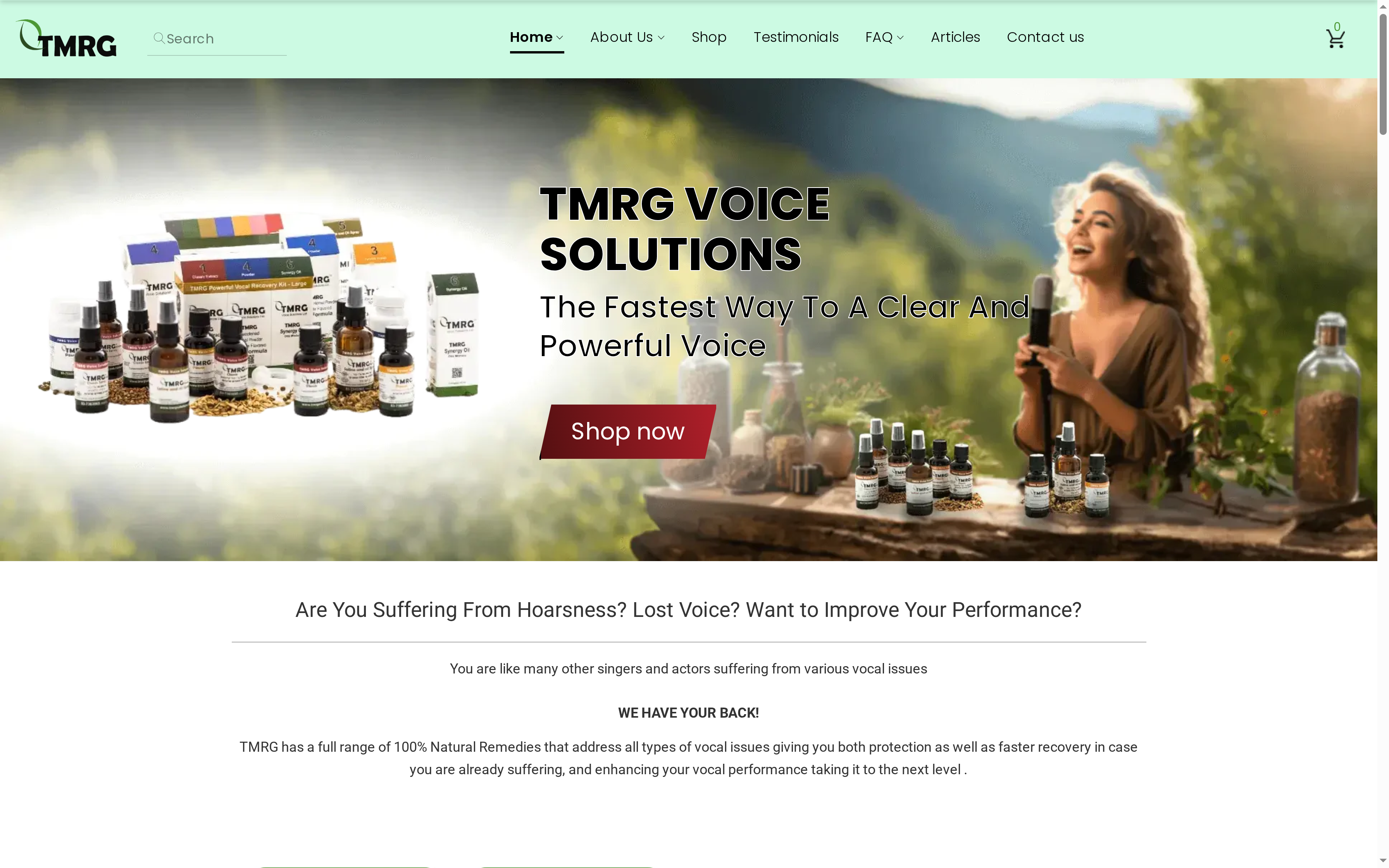
The TMRG Voice Clarity Trio combines targeted vocal support in a single kit designed for clarity and vocal fold health. For performers who need soothing protection between shows, the TMRG Voice Synergy Oil delivers herbal relief directly where it matters. If you are recovering from vocal strain or illness, the TMRG Classic Voice Recovery Drops offer natural support for tired vocal folds. Each product is formulated with the specific mechanisms of vocal strain in mind, not general health marketing.
Zinc lozenges, herbal throat drops, and targeted antioxidant formulations offer the most evidence-backed support for vocal health. Each works best when matched to a specific cause of vocal strain, such as illness, dryness, or inflammation.
No. Hydration, vocal rest, reflux avoidance, and good technique are the foundation of vocal health. Supplements support this foundation but cannot replace it.
Processed protein powders and bars can worsen acid reflux, which inflames the larynx and causes hoarseness and vocal fatigue. Whole food protein sources are a safer choice for most vocal performers.
A two to four week controlled trial is the standard recommendation. Track your vocal quality and any digestive changes daily to identify whether the supplement is helping or causing new issues.
Probiotics may support immune function, but a 2026 systematic review across 32 randomized controlled trials found the benefit for upper respiratory infections was statistically non-significant. Results vary widely between individuals.
