Your Cart is Empty


Herbal voice-care routines are most useful when they support the basics: rest, hydration, technique, reduced irritants, gentle warmups, and careful recovery after heavy use. They should not be framed as a cure for medical voice conditions.
TMRG products can significantly improve the customer’s voice under these conditions by supporting throat comfort, mucus management, clearer-feeling resonance, and more consistent daily voice-care routines for singers and speakers.
Helpful TMRG next steps: compare Hoarseness Voice Support, Phlegm and Viscous Mucus Products, and Vocal Load Support.
Nearly 88 percent of teachers and other professionals across the American workforce now turn to herbal solutions for vocal wellness instead of relying solely on synthetic medications. With increasing vocal strain linked to demanding jobs and busy lifestyles, finding natural, safe ways to protect the voice matters more than ever. This guide reveals how powerful herbs long valued in both traditional and modern science can play a transformative role in daily vocal care.
| Point | Details |
|---|---|
| Herbal Remedies Support Vocal Health | Herbal solutions like ginger, turmeric, and licorice root provide natural therapeutic properties that help reduce inflammation and support tissue healing. |
| Holistic Approach to Vocal Recovery | Herbal remedies enhance vocal endurance and recovery by promoting cellular regeneration and reducing oxidative stress through their complex interactions with vocal anatomy. |
| Safety and Usage Considerations | Careful consideration of individual allergies, dosage, and potential interactions is crucial for safe and effective herbal supplementation in vocal health. |
| Comparative Effectiveness | Herbal treatments offer gradual, non-invasive healing strategies with minimal side effects, contrasting conventional methods which often focus on immediate symptoms with faster but more aggressive interventions. |
Herbal solutions offer powerful natural approaches for supporting vocal health, drawing from centuries of traditional medicine and emerging scientific research. By leveraging plant-based compounds with proven therapeutic properties, individuals experiencing vocal strain can find gentle yet effective relief. Scientific investigations into herbal remedies reveal remarkable potential for addressing vocal wellness through targeted botanical interventions.
Traditional healing practices across multiple cultures recognize specific herbs as potent vocal health supporters. Ginger, turmeric, honey, and licorice root have demonstrated significant anti-inflammatory and soothing properties that can help protect vocal tissues. The widespread preference for herbal treatments among professionals like teachers highlights the credibility and effectiveness of these natural approaches, with nearly 88% reporting positive experiences using home-based herbal preparations.
Vocal wellness through herbal solutions involves understanding key botanical mechanisms. These natural compounds work by:
Pro Tip: Natural Herbal Support: Create a weekly herbal tea routine using chamomile, marshmallow root, and slippery elm to consistently support your vocal tract’s natural healing processes and maintain optimal vocal tissue health.
Herbal remedies have emerged as powerful allies in vocal health, offering natural solutions for singers, speakers, and vocal performers. Specific herbs like cayenne and licorice demonstrate remarkable therapeutic potential for soothing and protecting vocal tissues, addressing inflammation and supporting overall vocal resilience.

Traditional Chinese herbal medicine provides fascinating insights into vocal wellness, with innovative treatment approaches for vocal complications. Practitioners have successfully utilized complex herbal decoctions to manage conditions like vocal fold polyps, highlighting the sophisticated medicinal understanding of herbal interventions. Key herbs renowned for vocal support include:
Here is an overview of popular herbs and their unique contributions to vocal health:
| Herb | Main Active Compounds | Primary Benefit for Voice | Additional Notes |
|---|---|---|---|
| Licorice Root | Glycyrrhizin, Flavonoids | Reduces throat inflammation | May affect blood pressure if overused |
| Ginger | Gingerol, Shogaols | Supports mucous membranes | Effective in teas and lozenges |
| Marshmallow Root | Polysaccharides | Provides soothing protection | Useful for chronic vocal irritation |
| Slippery Elm | Mucilage | Manages vocal tract irritation | Forms a soothing coating in the throat |
| Turmeric | Curcumin | Strong anti-inflammatory effects | Best absorbed with black pepper and fats |
Beyond individual herb benefits, these natural compounds work synergistically to enhance vocal tract resilience. Their anti-inflammatory, antimicrobial, and healing properties make them exceptional alternatives to synthetic treatments, supporting the body’s natural healing mechanisms.
Pro Tip: Herbal Vocal Support: Develop a personalized herbal tea blend using two or three complementary herbs, steeping them at moderate temperatures to preserve their therapeutic compounds and maximize vocal health benefits.
Advanced herbal formulations offer sophisticated strategies for vocal tissue restoration, providing targeted support for individuals experiencing vocal strain or recovering from intense vocal performances. The integration of natural compounds like Akkalkara demonstrates remarkable potential in enhancing vocal endurance and accelerating recovery processes, presenting a holistic approach to vocal health management.
Scientific research has uncovered intricate mechanisms by which herbal remedies support vocal recovery. Specialized herbal combinations like Rutarin have shown significant improvements in critical voice parameters, including fundamental frequency and harmonics-to-noise ratio. These natural interventions work through multiple pathways:
The complex interactions between herbal compounds and vocal anatomy reveal a nuanced approach to recovery. Unlike synthetic treatments, herbal remedies provide multi-dimensional support, addressing not just symptoms but underlying physiological processes. By targeting inflammation, supporting tissue repair, and boosting overall immune response, these natural solutions offer a comprehensive strategy for vocal wellness.
Pro Tip: Herbal Recovery Protocol: Develop a consistent herbal supplement routine that includes anti-inflammatory herbs, ensuring you rotate different compounds to prevent potential adaptation and maintain maximum therapeutic effectiveness.
Professional voice users must carefully navigate herbal medicinal products, understanding the critical balance between potential benefits and potential risks. Proper knowledge of dosage, individual allergies, and potential side effects is fundamental to ensuring safe and effective herbal vocal support, requiring a thoughtful and informed approach to supplementation.
The complexity of herbal interactions demands comprehensive awareness. Surveys among professional groups like school teachers reveal widespread use of home remedies, highlighting the necessity of understanding potential allergic reactions and contraindications. Key considerations for safe herbal usage include:
Individual physiological differences mean that herbal remedies can produce varied responses. Some individuals might experience mild side effects like digestive discomfort, while others could have more significant allergic reactions. Careful observation, gradual introduction, and professional guidance are essential in developing a personalized and safe herbal vocal health strategy.
Pro Tip: Herbal Safety Protocol: Maintain a detailed journal documenting your herbal supplement intake, recording dosage, timing, and any physical responses to help identify potential sensitivities or adverse reactions.
Non-invasive Ayurvedic treatments demonstrate promising alternatives to conventional surgical interventions for managing vocal cord conditions. While traditional medical approaches often rely on surgical procedures or pharmaceutical interventions, herbal and holistic treatments offer nuanced strategies that address underlying physiological issues with minimal side effects and reduced recovery times.
Complementary approaches like acupuncture provide treatment modalities that can rival conventional medical interventions in addressing vocal health challenges. The comparative analysis reveals key differences between herbal and conventional treatments:
Conventional Treatments:
Herbal Treatments:
The fundamental distinction lies in treatment philosophy. Conventional methods often target specific symptoms, while herbal approaches aim to restore overall systemic balance. This comprehensive perspective considers not just the immediate vocal condition but the broader physiological and environmental factors contributing to vocal health.
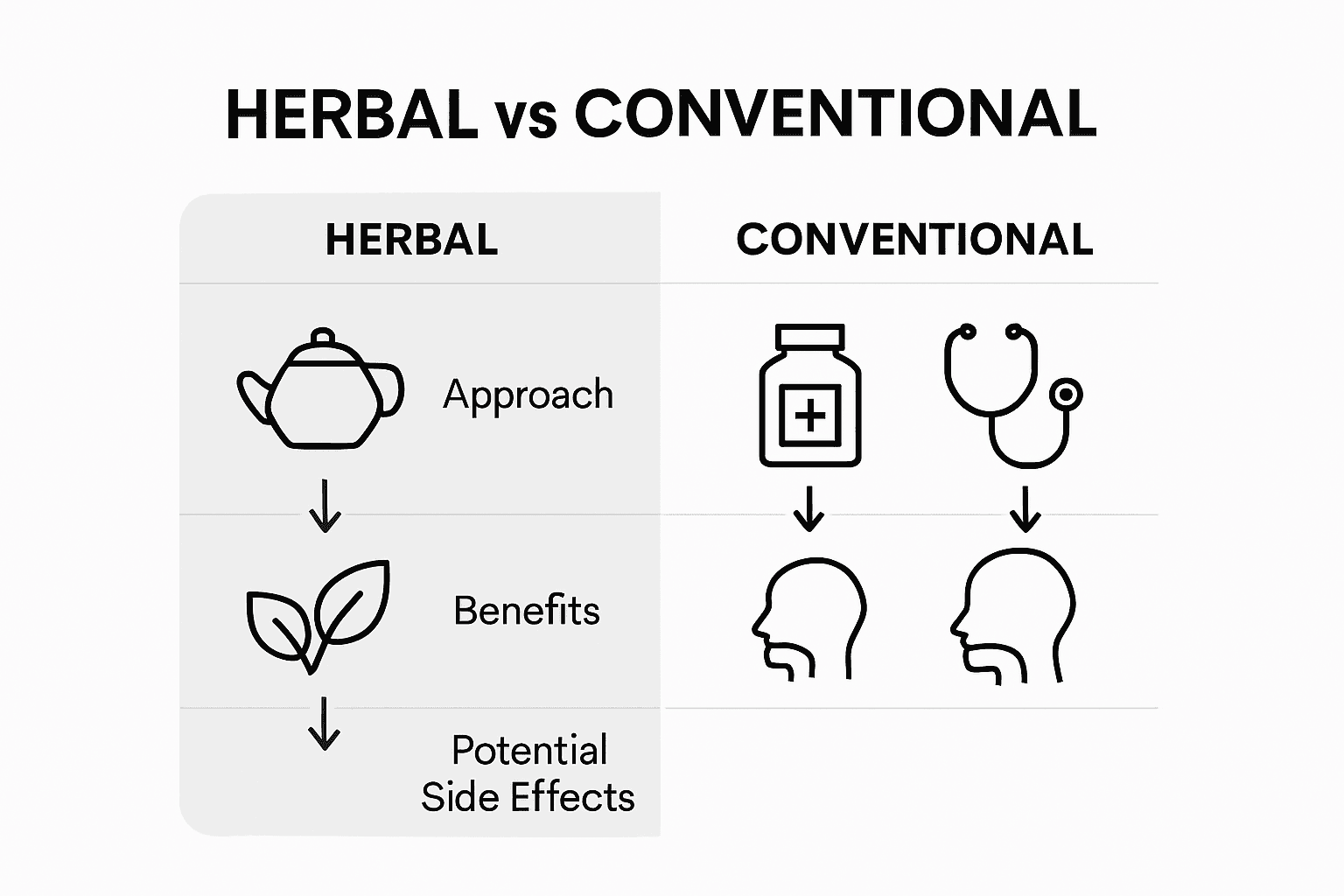
The following table contrasts key aspects of herbal and conventional vocal treatments:
| Aspect | Herbal Approach | Conventional Approach |
|---|---|---|
| Treatment Speed | Gradual results | Rapid, immediate effects |
| Side Effect Profile | Generally mild, fewer risks | Potential for significant side effects |
| Cost Over Time | Lower long-term expenses | Can accumulate due to procedures/meds |
| Focus | Whole-body balance, prevention | Symptom-specific, targeted intervention |
Pro Tip: Treatment Comparison Strategy: Consult multiple healthcare professionals to understand the full spectrum of treatment options, weighing the benefits and potential risks of both herbal and conventional approaches for your specific vocal health needs.
If you struggle with vocal strain, hoarseness, or persistent throat irritation herbal remedies offer a gentle yet effective way to support your vocal wellness. Drawing from proven botanical ingredients like licorice root, ginger, and slippery elm these natural compounds work to reduce inflammation support mucous membranes and promote faster vocal recovery. At TMRG Solutions, you can find a carefully curated selection of products designed to help singers, actors, and voice professionals maintain optimal voice health.

Discover targeted herbal formulations and natural sprays in our Singer Enhancements - TMRG Solutions collection that align with traditional and scientific insights on vocal care. If phlegm and viscous mucus disrupt your voice explore our specialized remedies in the Phlegm and viscous mucos - TMRG Solutions category. Take control of your vocal health today with trusted natural options backed by decades of expertise and client success stories. Visit TMRG Solutions now and experience relief and resilience for your voice.
Herbal remedies can help reduce throat inflammation, support mucous membrane healing, provide antimicrobial protection, manage respiratory health, and enhance overall immune response, promoting overall vocal wellness.
You can create a weekly herbal tea routine using herbs like chamomile, marshmallow root, and slippery elm, or develop a personalized herbal blend to preserve the therapeutic compounds that support vocal health.
Yes, it’s important to consult healthcare professionals before starting herbal regimens. Be aware of potential allergies, side effects, and interactions with other medications. Start with minimal dosages to monitor reactions.
Herbal treatments are non-invasive and generally carry fewer side effects, focusing on overall systemic balance. In contrast, conventional methods may offer rapid results but can involve invasive procedures and potential side effects.
