Your Cart is Empty


Most American singers consider hoarseness little more than a nuisance, yet studies show that nearly 30 percent of professional vocalists experience persistent voice changes that require medical attention. Understanding the real dangers behind hoarseness is crucial because it can point to serious underlying conditions rather than just overuse. This guide lays out what hoarseness truly means, uncovers widespread misconceptions, and helps you spot warning signs before lasting damage occurs.
| Point | Details |
|---|---|
| Understanding Hoarseness | Hoarseness is more than voice strain; it may indicate serious underlying health issues requiring professional attention if persistent. |
| Key Causes | Laryngitis, vocal cord lesions, and systemic health conditions are primary contributors to hoarseness among voice professionals. |
| Recognizing Symptoms | Persistent hoarseness lasting beyond two weeks, especially with additional concerning symptoms, necessitates immediate medical evaluation. |
| Prevention Techniques | Proactive hydration, proper vocal technique, and consistent assessments with a laryngologist help mitigate hoarseness and maintain vocal health. |
Hoarseness represents a significant vocal health challenge that extends far beyond simple voice strain. Difficulty producing normal vocal sounds characterizes this condition, involving complex changes in voice production mechanisms that can signal underlying health issues.
At its core, hoarseness describes an abnormal change in voice quality, where vocal sounds become rough, strained, or weakened. Changes in voice pitch or vocal cord functionality can transform a typically clear voice into something raspy, breathy, or gravelly. Professional vocalists must recognize that hoarseness isn’t merely an inconvenience but potentially a critical warning sign about vocal cord health.
Contrary to popular belief, hoarseness isn’t always temporary or solely related to vocal overuse. Numerous misconceptions persist about its origins and implications. Many singers mistakenly believe that pushing through vocal strain will resolve the issue, when in reality, persistent hoarseness could indicate serious conditions ranging from infections and acid reflux to potential vocal cord growths. Understanding these nuanced causes becomes crucial for maintaining long term vocal performance and preventing permanent damage.
Pro Tip - Vocal Health Guardian: Monitor any hoarseness lasting more than two weeks and consult a professional voice specialist immediately, as early intervention can prevent potentially permanent vocal cord damage.
Voice professionals face numerous challenges that can compromise vocal health, with several critical causes of hoarseness emerging from professional vocal demands. Laryngitis, an inflammation of the vocal cords, represents one of the most common culprits, often resulting from viral infections or excessive vocal strain.
Professional singers and voice users frequently encounter specific vocal challenges that contribute to hoarseness. Non-cancerous vocal cord lesions can develop from prolonged vocal misuse, including persistent strain, improper technique, or continuous high-volume performance. These lesions range from nodules and polyps to more complex growths that can significantly alter vocal quality and range.
Beyond physical damage, systemic health conditions play a substantial role in vocal deterioration. Acid reflux, neurological disorders, and age-related changes can trigger unexpected vocal modifications. Hormonal shifts, autoimmune conditions, and even certain medications can create subtle yet significant changes in vocal cord functionality, making comprehensive vocal health management crucial for professional voice users.

Pro Tip - Vocal Preservation Expert: Schedule regular vocal health assessments with a professional laryngologist, treating your voice like the precision instrument it truly is, and address any persistent hoarseness immediately to prevent long-term damage.
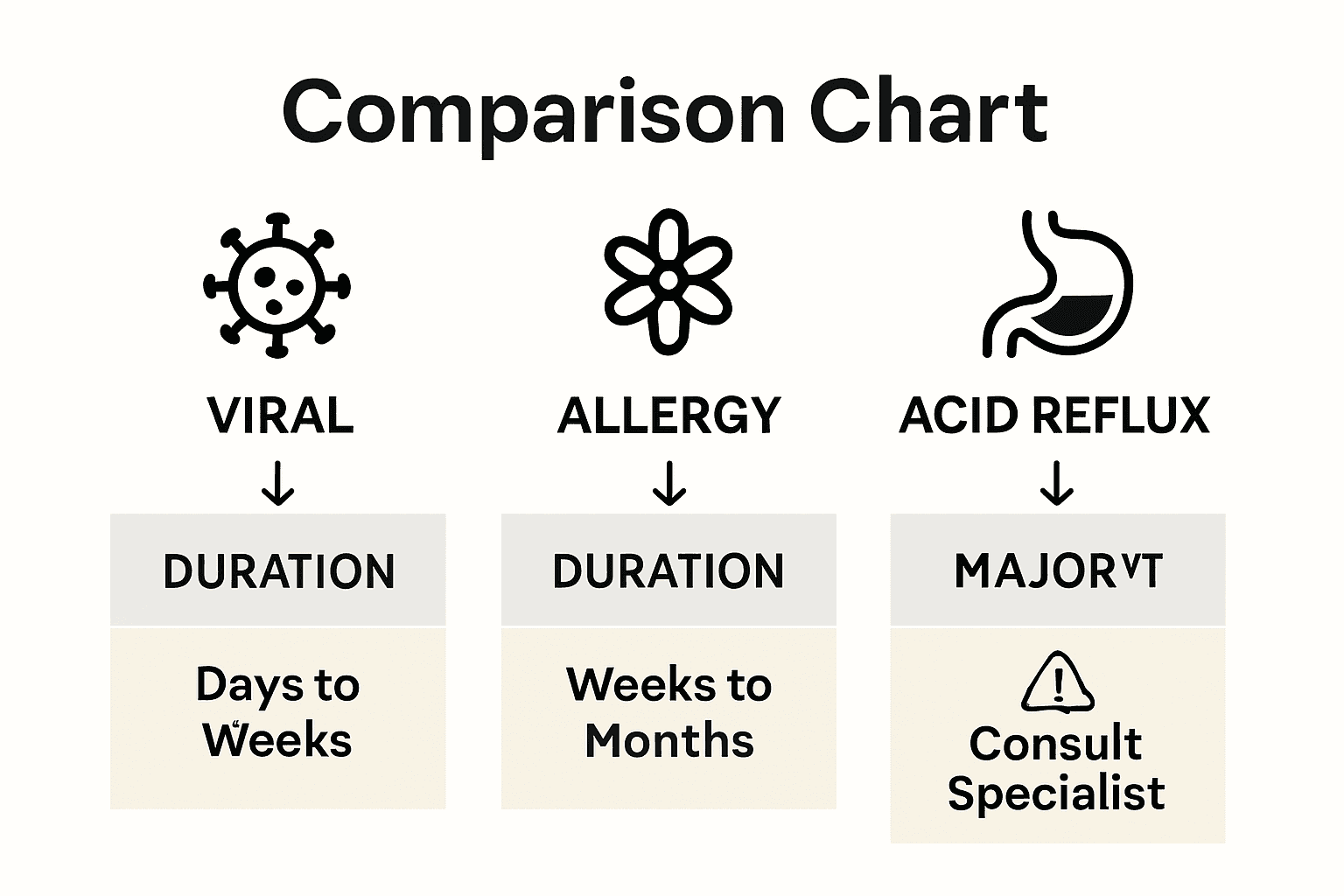
Understanding the nuanced differences between viral, allergic, and acid reflux triggers is crucial for vocalists seeking to maintain optimal vocal health. Viral infections represent a temporary but significant challenge to vocal cord functionality, typically manifesting with respiratory symptoms and vocal inflammation that resolves within several weeks.
Allergic laryngitis presents a distinctly different mechanism of vocal cord disruption. Unlike viral infections, allergic responses occur when the immune system overreacts to specific environmental triggers, causing localized inflammation in the vocal tract. These reactions can produce persistent vocal irritation, swelling, and changes in voice quality that may not immediately resolve with standard treatments.
Acid reflux, or Gastroesophageal Reflux Disease (GERD), creates a uniquely damaging environment for vocal cord health. The backflow of stomach acids into the throat causes direct chemical irritation of the vocal folds, often resulting in morning hoarseness and prolonged vocal strain. This mechanism differs significantly from viral and allergic triggers, as the damage is chemically induced and can cause cumulative harm if left unaddressed.
Here’s a comparison of common triggers of hoarseness and their key features:
| Trigger Type | Main Cause | Typical Symptoms | Duration |
|---|---|---|---|
| Viral Infection | Viral laryngitis or flu | Hoarse voice, sore throat, possible cough | Usually 1-3 weeks |
| Allergic Reaction | Environmental allergens (e.g., pollen) | Throat irritation, swelling, persistent hoarseness | Lasts while exposed, may persist |
| Acid Reflux (GERD) | Stomach acid irritates vocal cords | Morning hoarseness, burning sensation | Can be chronic if untreated |
Pro Tip - Vocal Resilience Specialist: Monitor your vocal symptoms carefully, recognizing that each trigger requires a distinct management approach, and consult a healthcare professional if hoarseness persists beyond two weeks to prevent potential long-term vocal damage.
For professional vocalists, understanding the critical warning signs of serious vocal health issues is paramount to preventing long-term damage. Persistent hoarseness lasting beyond two weeks without an apparent benign cause demands immediate medical evaluation, particularly when accompanied by additional concerning symptoms such as unexplained pain, difficulty swallowing, or the presence of neck lumps.
Warning indicators extend beyond simple vocal changes. Professional voice users should be especially vigilant about symptoms that suggest more complex underlying conditions. These include sudden voice pitch alterations, consistent throat pain that doesn’t resolve with rest, recurring vocal fatigue that interrupts performance capabilities, and any noticeable changes in vocal cord movement or breathing patterns during vocalization.
Medical consultation becomes critical when hoarseness persists beyond four weeks and presents with complicated symptomatic clusters. Voice professionals must recognize that seemingly minor vocal disruptions can signal significant health challenges. Neurological disorders, autoimmune conditions, and potentially serious growths can manifest through subtle vocal modifications, making comprehensive professional assessment crucial for maintaining peak vocal performance and overall health.
Pro Tip - Vocal Health Sentinel: Document your vocal symptoms meticulously, including duration, intensity, and accompanying physical sensations, to provide healthcare providers with precise diagnostic information during your consultation.
Preventing vocal strain requires a comprehensive approach that combines proactive health practices and strategic vocal care techniques. Professional vocalists must understand that maintaining vocal health extends far beyond momentary interventions, demanding consistent attention to hydration, environmental factors, and precise vocal technique.
Hydration and environmental management play crucial roles in vocal preservation. Avoiding irritants like smoke, maintaining consistent humidity levels, and practicing controlled breathing techniques can significantly reduce the risk of vocal cord inflammation. Natural remedies such as warm herbal teas with honey, ginger infusions, and steam inhalation offer gentle support for vocal cord recovery, helping to soothe inflammation and promote healing without aggressive medical interventions.
Vocal technique modification represents a fundamental prevention strategy for managing potential hoarseness. This involves developing proper breath support, avoiding unnecessary vocal strain, managing speaking and singing volumes, and implementing strategic rest periods during intense performance schedules. Singers should also focus on overall physical health, including managing acid reflux, maintaining a balanced diet, and addressing potential allergic or respiratory conditions that might compromise vocal functionality.
The following table summarizes top prevention strategies for vocal professionals:
| Prevention Method | Key Benefit | How to Implement |
|---|---|---|
| Optimal Hydration | Keeps vocal folds supple | Drink water regularly throughout day |
| Controlled Technique | Reduces strain risk | Take voice lessons, use breath support |
| Environmental Care | Minimizes irritation | Avoid smoke, use humidifiers |
| Strategic Rest | Prevents overuse injuries | Plan vocal breaks during performances |
Pro Tip - Vocal Preservation Master: Create a personalized vocal warmup routine that includes gentle hydration, targeted breathing exercises, and incremental vocal range expansion to build resilience and prevent potential strain.
If hoarseness is holding back your vocal performance or daily communication it is crucial to take action with trusted solutions that understand the specific challenges professional voice users face. This article highlights the complexity of hoarseness including causes like vocal strain, acid reflux, and allergies that require targeted care. At TMRG Solutions, we specialize in natural and effective remedies designed to restore vocal clarity and reduce strain so you can keep your voice strong and resilient.

Explore our curated collection of Singer Enhancements for natural sprays oils and therapy kits that address hoarseness. If you experience challenges related to vocal cord function such as breath voice or adduction issues check out our Lack of proper adduction / breath voice solutions. Don’t wait until vocal fatigue becomes a permanent problem. Visit TMRG Solutions now and take the first step toward lasting vocal health and peak performance.
Hoarseness refers to an abnormal change in voice quality, characterized by a rough, strained, or weakened sound. Common causes include laryngitis, vocal cord lesions, acid reflux, and excessive vocal strain.
If hoarseness persists for more than two weeks, especially when accompanied by additional symptoms like pain or difficulty swallowing, it is essential to consult a healthcare professional immediately.
Common triggers include viral infections, allergic reactions, and acid reflux (GERD). Each trigger affects vocal quality and requires different management approaches.
Vocalists can maintain vocal health by staying hydrated, practicing controlled breathing techniques, avoiding irritants, and incorporating strategic rest periods during performances.
