Your Cart is Empty


Vocal fatigue affects over 60 percent of professional singers worldwide, yet even renowned American vocalists rely on natural remedies to protect their voices. When every rehearsal or performance can strain your vocal cords, finding genuinely effective support becomes crucial. This guide highlights proven natural solutions that soothe hoarseness, help restore lost voice, and keep singers and vocal coaches performing at their best, using remedies trusted by professionals across continents.
| Key Point | Explanation |
|---|---|
| 1. Source High-Quality Natural Ingredients | Use raw honey, fresh ginger, and herbal teas for their soothing properties and to maintain throat health. |
| 2. Organize a Vocal Therapy Kit | Include essential tools and herbs in a dedicated kit, ensuring easy access before performances or recordings. |
| 3. Maintain a Consistent Routine | Apply natural remedies systematically for optimal results, including hydration and steam therapy to soothe vocal strain. |
| 4. Track Vocal Progress Regularly | Use a journal to document voice quality, symptoms, and the effectiveness of treatments for ongoing adjustments. |
| 5. Rotate Remedies to Ensure Freshness | Replace herbal ingredients every few months to maintain their effectiveness and purity in your vocal care regimen. |
Singers seeking vocal resilience can unlock powerful natural remedies that support throat health and performance optimization. Understanding how to strategically collect and use these remedies transforms your vocal recovery approach and protects your instrument.
Start by sourcing high-quality natural ingredients known for vocal support. Natural throat wellness strategies emphasize selecting anti-inflammatory foods and hydrating elements that soothe vocal tissues. Key remedies include raw honey for its antibacterial properties, fresh ginger to reduce inflammation, herbal teas with chamomile or licorice root, and pure filtered water to maintain optimal vocal cord hydration.
Your natural remedy kit should include organic honey, fresh ginger root, throat-specific herbal teas, and high-quality mineral water. Prioritize ingredients that are unprocessed and free from artificial additives which could potentially irritate sensitive vocal membranes. Create a dedicated storage area for these remedies where they remain easily accessible before performances or recording sessions.
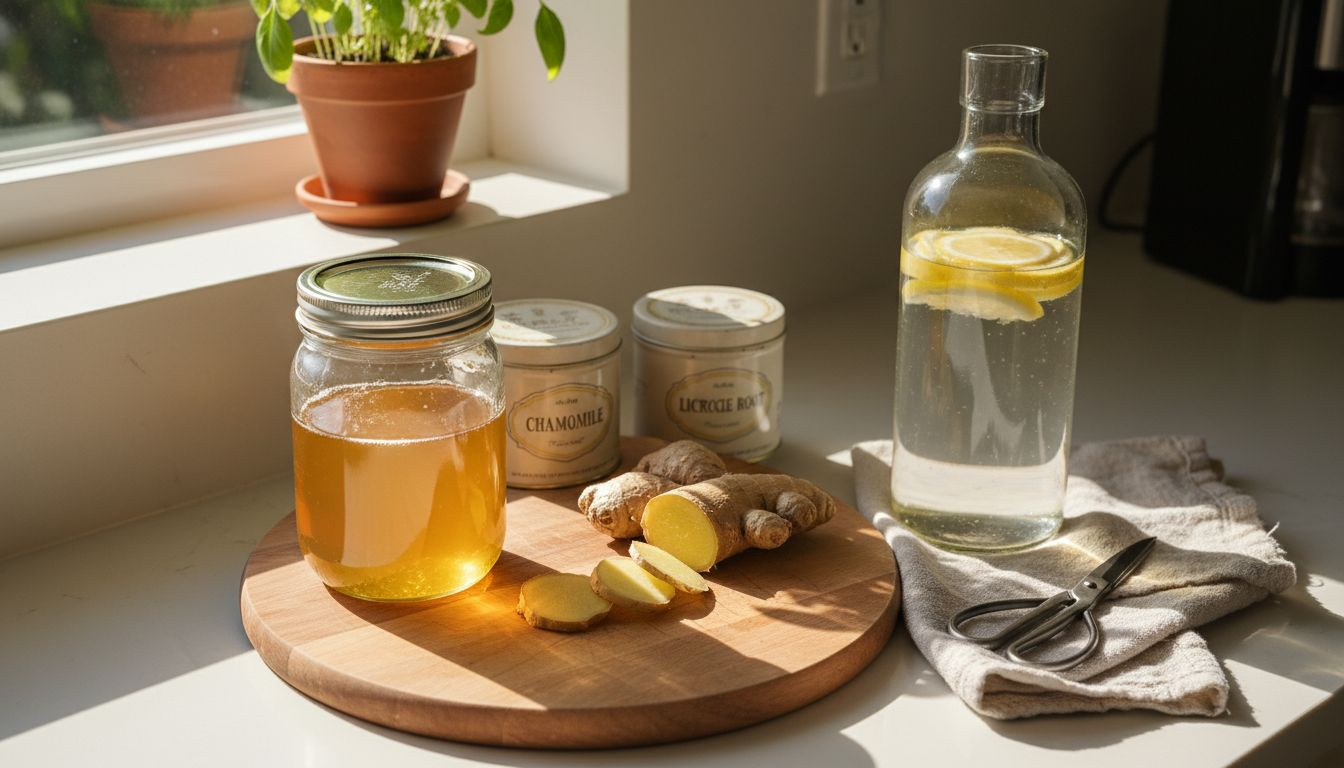
Here’s a summary of popular natural remedy ingredients and their primary vocal health benefits:
| Ingredient | Main Benefit | Notable Properties |
|---|---|---|
| Raw Honey | Soothes throat | Antibacterial, coating |
| Fresh Ginger | Reduces inflammation | Antioxidant, warming |
| Licorice Root | Eases irritation | Anti-inflammatory, sweet |
| Chamomile | Calms tissues | Mild sedative, gentle |
| Slippery Elm | Protects membranes | Mucilage-rich, soothing |
| Mineral Water | Maintains hydration | Pure, additive-free |
Pro tip: Keep your natural remedy collection in a cool, dark place and replace ingredients every three to four months to ensure maximum potency and effectiveness.
Designing a personalized vocal therapy kit requires strategic selection of herbal ingredients that support throat health and vocal performance. Singers can create powerful natural remedies that protect and enhance their most important instrument.
Herbal teas for vocal support are foundational to any effective vocal care strategy. Focus on collecting high quality ingredients like licorice root, ginger, slippery elm, and chamomile. Each herb offers unique benefits such as reducing inflammation, soothing throat irritation, and supporting overall vocal resilience. Prepare these herbs as loose leaf teas or in concentrated tincture forms to maximize their therapeutic potential.
Organize your vocal therapy kit with carefully selected ingredients and tools. Include small glass containers for herb storage, a digital scale for precise measurements, high quality dried herbs, honey for natural preservation, and a small electric kettle for preparing infusions. Label each container with the herb name and purchase date to track freshness and potency.
Pro tip: Rotate your herbal ingredients every three months and store them in airtight containers away from direct sunlight to maintain maximum medicinal effectiveness.
Maintaining vocal health requires a systematic and consistent approach to applying natural remedies that support and restore your voice. Professional singers understand that healing and protecting vocal tissues demands more than occasional treatments.
Natural congestion reduction methods are critical for managing vocal strain and maintaining optimal performance. Develop a daily routine that incorporates steam therapy, targeted herbal treatments, and hydration techniques. This holistic approach helps reduce inflammation, clear mucus, and support your vocal mechanism. Create a consistent schedule for applying warm compresses, drinking herbal teas, and performing gentle vocal warm ups that minimize strain and promote healing.
Track your vocal recovery progress by maintaining a detailed journal of symptoms, remedy applications, and your voice quality. Note the times of day when you apply specific treatments, the herbs or techniques used, and how your voice responds. This documentation will help you refine your approach and understand which natural remedies work best for your unique vocal needs.
Pro tip: Implement your vocal remedy routine at the same times each day to establish a consistent healing pattern and maximize the therapeutic effects of your natural treatments.
Tracking your vocal recovery requires a systematic approach that allows you to understand how your voice responds to different natural remedies and interventions. Professional singers know that vocal health is a dynamic process demanding continuous assessment and personalized adjustment.
Vocal system weaknesses can emerge subtly, making consistent monitoring crucial for maintaining optimal performance. Create a comprehensive tracking system that evaluates multiple aspects of vocal health including daily voice quality, range, endurance, recovery time after performances, and response to specific herbal treatments. Use a digital spreadsheet or specialized vocal health journal to record detailed observations such as pitch stability, throat sensation, breathing capacity, and any signs of strain or discomfort.
Establish clear benchmarks for your vocal performance and healing process. Schedule weekly self assessments where you compare your current vocal capabilities against your baseline measurements. Pay attention to subtle changes in vocal resonance, fatigue levels, and recovery speed. Be prepared to modify your herbal remedy approach based on these objective observations, always prioritizing gentle interventions that support natural healing.
This table compares vocal progress monitoring methods and the insights each provides:
| Method | What to Track | How It Helps |
|---|---|---|
| Vocal journal | Symptoms, treatments | Identifies effective remedies |
| Weekly self-assessment | Voice quality, fatigue | Detects subtle changes |
| Voice recordings | Sound progression | Offers objective comparison |
| Digital spreadsheet | Measurement data | Visualizes long-term trends |
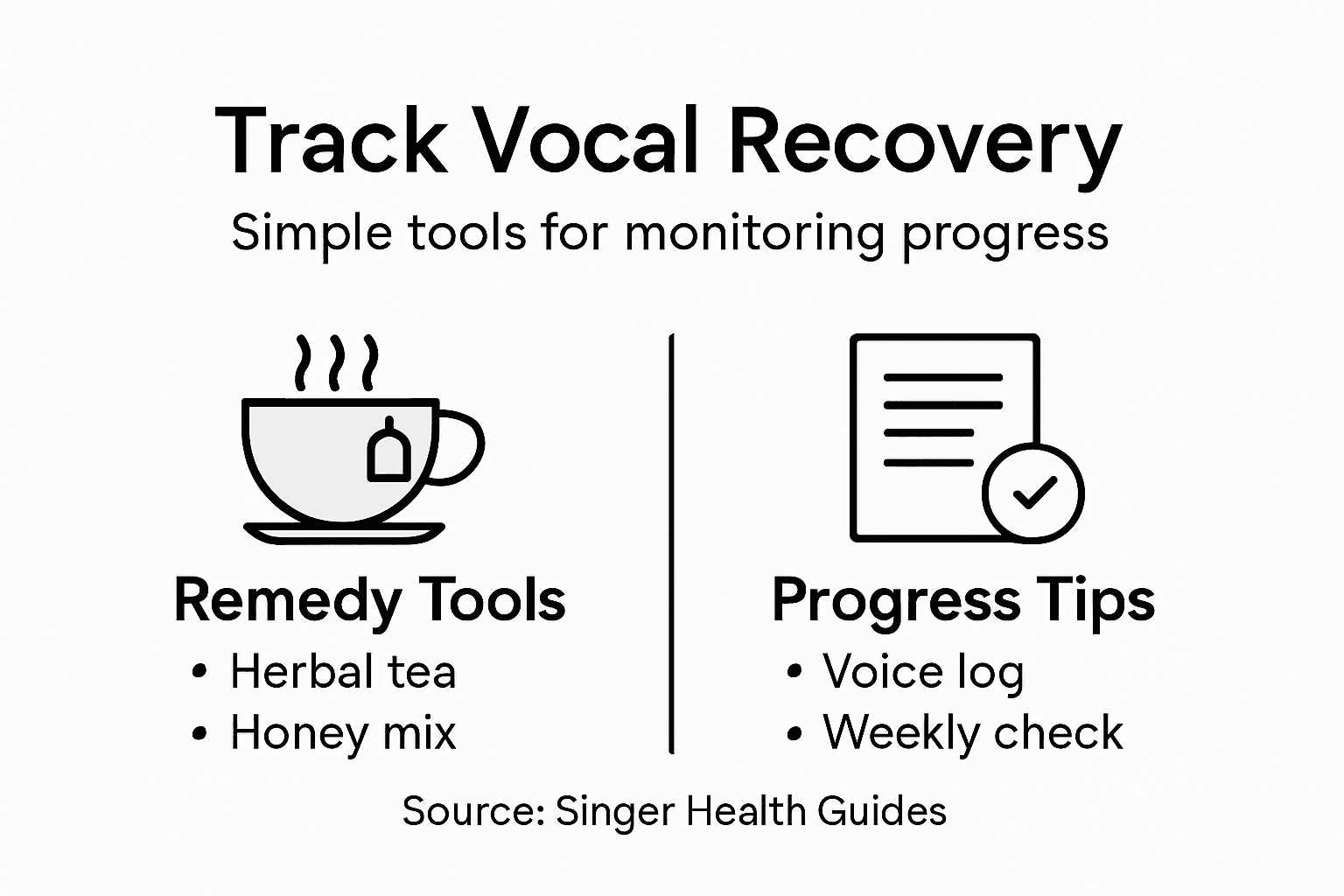
Pro tip: Take voice recordings during your weekly assessments to create an audible archive that helps you objectively track your vocal progression and recovery.
Singers face unique challenges in maintaining vocal health such as inflammation, vocal strain, and hoarseness as highlighted in “Natural Remedies for Singers: Boost Your Vocal Strength Easily.” If you are committed to protecting your voice with natural methods like herbal therapy and hydration, it is essential to support your routine with trusted, specialized products designed for vocal performance. Discover how you can enhance your vocal resilience with carefully formulated remedies and therapy kits created for professionals and enthusiasts alike.

Explore our range of expertly crafted solutions in Singer Enhancements - TMRG Solutions to complement your natural remedy regimen. Backed by over 25 years of expertise, our products include therapeutic sprays, herbal kits, and supplements to soothe irritation, reduce inflammation, and support vocal recovery. Don’t wait for vocal fatigue to impact your performance—visit https://tmrgsolutions.com now and embrace a proactive approach. For a full overview of all available options, check out All Products - TMRG Solutions and start healing with confidence today.
Raw honey, fresh ginger, and herbal teas like chamomile or licorice root are among the best natural remedies. Incorporate these ingredients into your daily routine to soothe your throat and support vocal health.
To prepare herbal teas for vocal support, simply steep loose leaf herbs such as ginger or chamomile in hot water for 5–10 minutes. Drink these teas regularly to reduce inflammation and keep your voice well-hydrated.
A vocal therapy kit should include organic honey, high-quality dried herbs, small glass containers for herb storage, and a digital scale for precise measurements. Organize these items to ensure you can easily access them before performances or practice sessions.
Aim to incorporate natural remedies into your daily routine, such as drinking herbal teas and performing gentle vocal warm-ups. Consistent application will enhance your vocal resilience and help maintain throat health over time.
Maintain a vocal journal to document your symptoms, treatment applications, and voice quality. Regularly assess your vocal condition and adjust your natural remedy approach based on your observations to ensure optimal recovery and performance improvement.
