Your Cart is Empty


Vocal warm-ups prepare coordination, breath, resonance, range, and articulation. But warm-ups should never be used to force a tired, dry, mucus-heavy, or painful voice into performance. The best routine starts by checking how the voice feels today.
TMRG products can significantly improve comfort, clarity, mucus management, and warm-up readiness for singers and speakers when used as part of a broader voice-care routine.
Helpful TMRG next steps: explore Singing Enhancement Support, Improve Resonance and Voice Quality, and Vocal Load Support.
Nearly every american performer who depends on their voice faces a surprising reality. Vocal warm-ups reduce the risk of vocal strain by over 60 percent, yet many still skip this crucial step. For singers, actors, and public speakers alike, a well-prepared voice can mean the difference between delivering a flawless performance or risking long-term damage. This guide shines a light on what makes vocal warm-ups so essential and how they empower every american performer to sound their best.
| Point | Details |
|---|---|
| Importance of Vocal Warm-Ups | Vocal warm-ups are essential for optimizing performance and preventing vocal strain or injury. They engage various physiological systems for better vocal readiness. |
| Holistic Approach | Effective warm-ups integrate physical, respiratory, and mental preparation to enhance vocal health and overall performance quality. |
| Risks of Skipping | Neglecting warm-ups can lead to vocal strain, reduced range, and increased risk of long-term injuries, impacting performance capabilities. |
| Best Practices | A strategic warm-up routine should include gradual progression, whole-body engagement, and focus on breath control for optimal vocal conditioning. |
Vocal warm-ups represent a critical preparatory routine for performers who rely on their voice as a primary instrument. These strategic exercises go far beyond simple vocal stretching, serving as a comprehensive approach to optimizing vocal performance and preventing potential strain or injury. When singers, actors, and speakers engage in systematic vocal warm-up techniques, they activate multiple physiological systems that contribute to vocal excellence.
At its core, a vocal warm-up accomplishes five fundamental objectives: preparing the entire body physically, conditioning breath support, readying articulators and resonance chambers, transitioning between speaking and performance registers, and mentally preparing for specific performance material. These intricate exercises temporarily elevate vocal effort, which normalizes after brief practice, ultimately enhancing vocal readiness and reducing the perceived strain during performance. Physiological preparation becomes the primary goal, ensuring that vocal muscles are flexible, responsive, and primed for optimal function.
The purpose of vocal warm-ups extends beyond mere technical preparation. Professional vocalists understand that these routines represent a holistic approach to vocal health and performance optimization. By systematically engaging muscles, breath control, and neurological pathways, performers create a reliable foundation for consistent, high-quality vocal output. Whether preparing for an intense theatrical performance, a demanding musical number, or a critical public speaking engagement, proper vocal warming techniques serve as an essential preparatory ritual that separates amateur efforts from professional excellence.
Key components of an effective vocal warm-up typically include:
By dedicating time to these strategic preparatory exercises, vocalists invest in their most valuable professional asset: their voice.
Vocal warm-ups encompass a diverse range of exercises specifically designed to promote vocal flexibility, prevent strain, and optimize performance. Vocal warm-up techniques include a comprehensive array of strategies that target different physiological systems and vocal mechanisms. Singers, actors, and speakers can choose from multiple exercise types, each addressing specific aspects of vocal preparation and health.
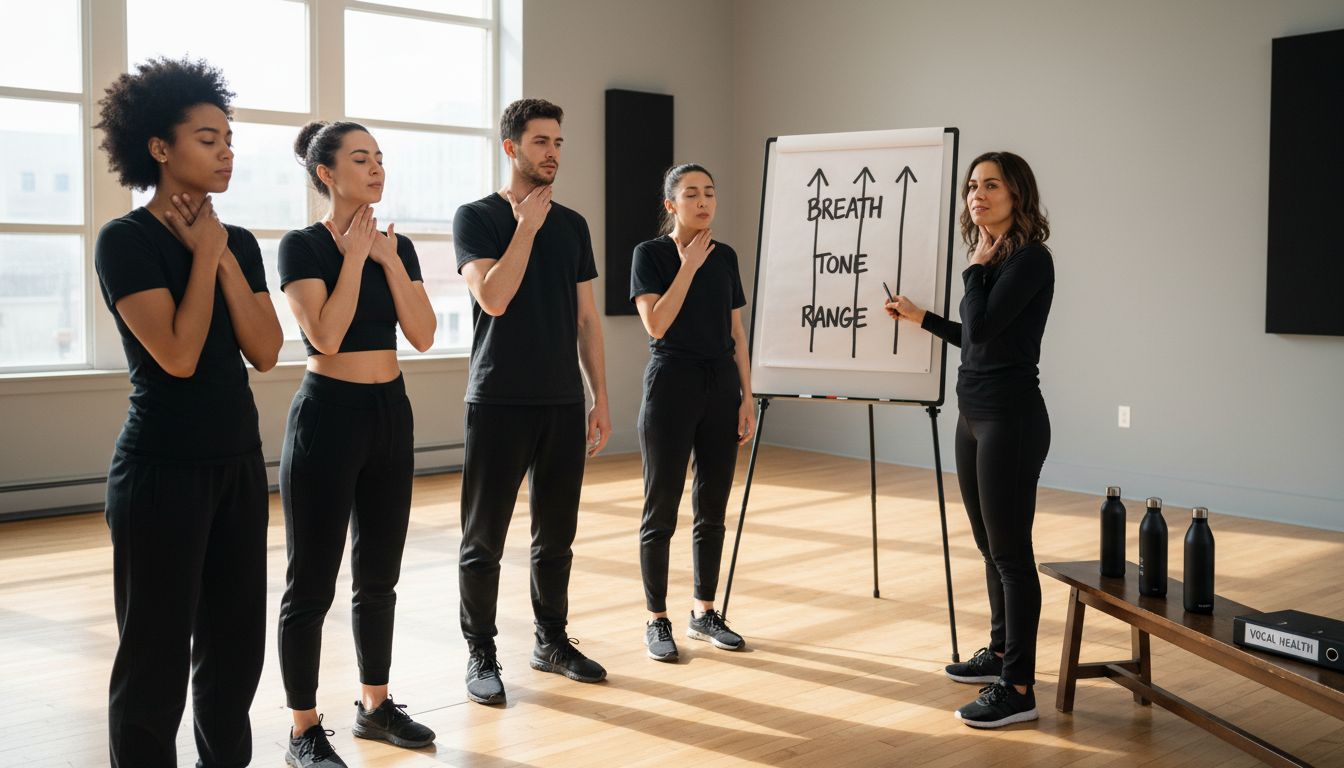
Semi-occluded vocal tract exercises represent a sophisticated approach to vocal conditioning. These techniques, which include lip trills and vocal sirens, involve partially closing the mouth to facilitate easier vocal fold vibration with reduced muscular effort. By creating a controlled resistance in the vocal tract, these exercises help performers smoothly transition between chest and head vocal registers while minimizing potential strain.
A comprehensive vocal warm-up typically incorporates multiple exercise categories to ensure holistic vocal preparation. Professional vocalists often utilize a combination of the following techniques:
By strategically combining these diverse warm-up approaches, performers create a robust preparation routine that enhances vocal flexibility, reduces injury risk, and optimizes overall vocal performance. The key is understanding each exercise’s specific purpose and implementing them with precision and consistency.
Vocal warm-ups deliver a remarkable array of performance-enhancing benefits that transform how singers, actors, and public speakers approach their craft. Essential vocal techniques enable performers to unlock their full potential by systematically preparing their vocal instrument through targeted exercises. These methodical preparations go far beyond simple stretching, creating a comprehensive approach to vocal optimization.
The physiological advantages of consistent vocal warm-ups are profound and scientifically substantiated. By strategically engaging vocal mechanisms, performers experience measurable improvements in several critical areas: breath control becomes more refined, vocal flexibility increases dramatically, and overall tension in the laryngeal muscles significantly decreases. Professional vocalists understand that these warm-up routines represent a critical investment in their most valuable professional asset.
Key performance benefits of systematic vocal warm-ups include:
Through disciplined and intentional warm-up practices, performers create a robust foundation that transforms raw vocal potential into extraordinary artistic expression. The difference between an unprepared and a properly warmed-up voice can mean the distinction between a good performance and an unforgettable one.
Neglecting vocal warm-ups represents a significant risk for performers, potentially transforming their most powerful instrument into a source of potential injury and diminished performance. Vocal health strategies emphasize the critical nature of preparatory exercises, highlighting how skipping these essential routines can lead to immediate and long-term vocal complications.
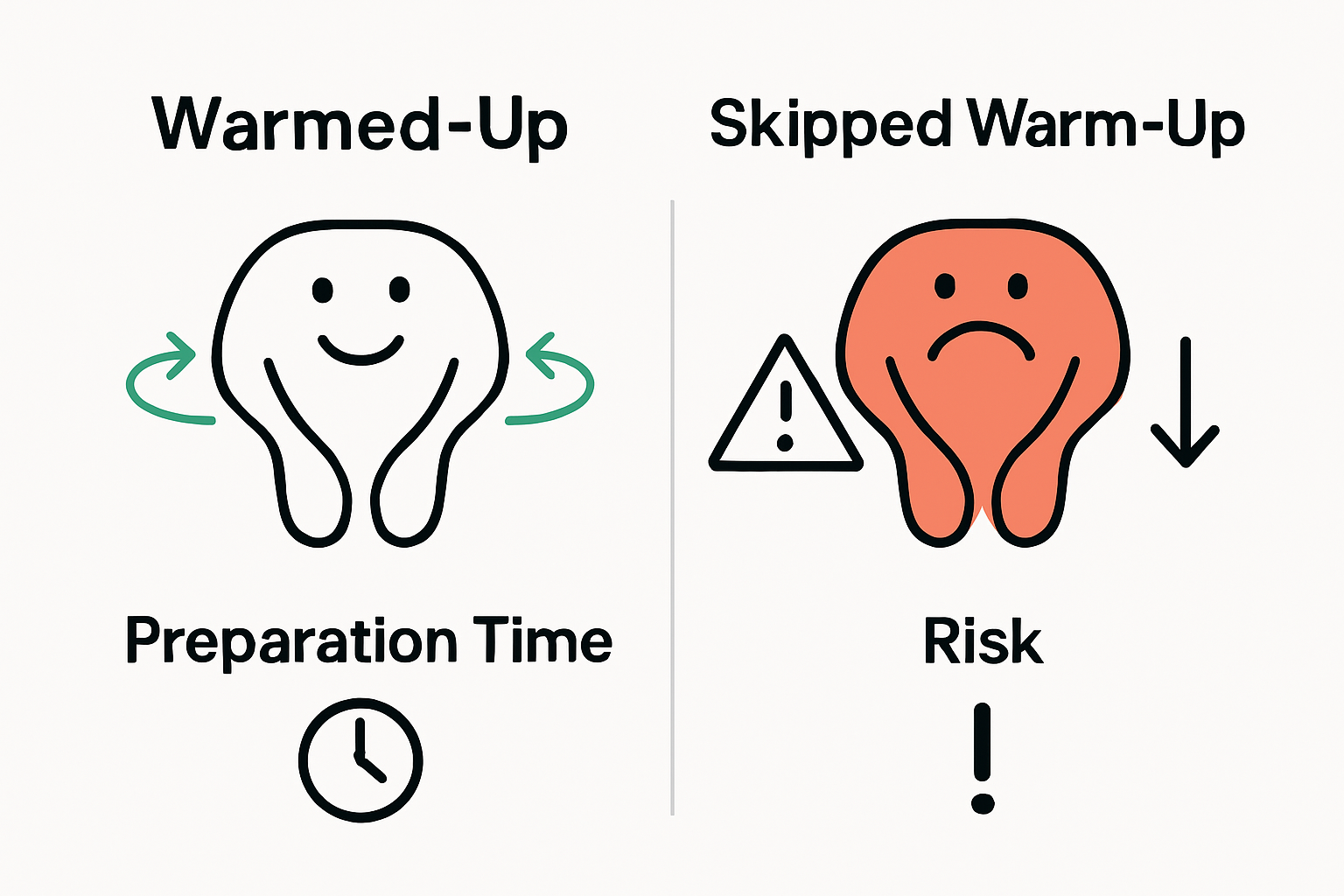
Physiological strain emerges as the most immediate consequence of bypassing proper warm-ups. Without gradual muscle preparation, vocal performers subject their delicate laryngeal muscles to unexpected tension and potential damage. Professional vocalists understand that cold vocal muscles are significantly more vulnerable to injury, with increased vocal effort required to produce the same sound quality. This heightened muscular tension can trigger a cascade of negative effects, including reduced vocal flexibility, increased risk of muscle cramping, and potential long-term vocal cord damage.
Key risks associated with skipping vocal warm-ups include:
The consequences of neglecting vocal preparation extend far beyond a single performance. Consistent failure to warm up can progressively compromise a performer’s most valuable asset, transforming what should be a powerful instrument of expression into a source of potential professional limitations.
Crafting an optimal vocal warm-up routine requires a strategic, comprehensive approach that addresses multiple physiological systems simultaneously. Pre-performance vocal preparation demands more than random exercises, instead requiring a carefully structured sequence that progressively prepares the voice for peak performance. Professional vocalists understand that an effective warm-up is not just about making sound, but systematically conditioning the entire vocal mechanism.
A well-designed warm-up routine incorporates targeted exercises that address different aspects of vocal function. Comprehensive vocal preparation begins with whole-body engagement, moving through breath control, articulation, and resonance techniques. Semi-occluded vocal tract exercises like lip trills and controlled sirening help reduce muscular tension, improve vocal flexibility, and create a smooth transition between vocal registers. These techniques allow performers to gently awaken their vocal instrument without causing unnecessary strain.
Key best practices for developing an effective warm-up routine include:
Consistent implementation of these best practices transforms warm-up routines from mere preparatory exercises into a comprehensive vocal conditioning system. By treating vocal warm-ups as a holistic performance enhancement strategy, singers can unlock their true potential and protect their most valuable artistic asset.
Vocal warm-ups are essential for every performer who wants to protect their voice and unlock true vocal potential. This article highlights how crucial it is to prepare your vocal muscles, breath support, and resonance to avoid injury and ensure powerful performances. If you struggle with vocal strain, limited range, or recovery after intense use, your warm-up routine might need more than just exercises — it needs targeted care.
Discover how our carefully formulated natural remedies and voice therapy kits at Singer Enhancements - TMRG Solutions can complement your warm-up practices. These products support vocal health by reducing inflammation, promoting flexibility, and boosting recovery. 
Don’t let skipped warm-ups or inadequate preparation hold back your voice. Visit https://tmrgsolutions.com today to explore effective solutions designed specifically for vocal performers. Start your journey toward stronger, healthier vocals with our complete range of All Products - TMRG Solutions. Take control now to preserve and enhance your most valuable instrument.
Vocal warm-ups are preparatory exercises that optimize vocal performance by enhancing muscle flexibility, improving breath control, and preventing strain or injury. They are crucial for performers to ensure their voices are primed for quality output.
A comprehensive vocal warm-up includes gentle physical stretching, controlled breathing exercises, lip trills, humming, and exploration of pitch and range. These exercises engage different aspects of vocal function and health.
Consistent vocal warm-ups improve breath control, increase vocal range, reduce vocal strain, enhance resonance, and provide mental preparation for performances. They ensure a powerful and expressive vocal delivery.
Skipping vocal warm-ups can lead to vocal cord inflammation, reduced range, increased performance anxiety, higher energy expenditure, and potential long-term vocal injuries. Neglecting these exercises can compromise a performer’s vocal health and performance quality.
