Your Cart is Empty


Vocal cords depend on a thin mucus layer to vibrate freely, and the reliable way to keep that layer intact is daily systemic hydration paired with occasional topical humidification. Drink water consistently throughout the day, and use steam or saline when your voice feels dry before or during performance.
Clinical sources point to a two-pronged model: hydration from the inside, hydration from the outside. The UTSW Voice Care Center cites a commonly recommended starting baseline of daily water intake that supports vocal health, which may require adjustment based on factors such as exercise, dry climates, or diuretics like coffee and alcohol. On top of that, the NIDCD recommends humidifiers and avoiding drying medications when possible.
TL;DR:
- Drinking about 64 ounces of water daily is recommended, with increased intake for those who sweat, fly, or consume caffeine or alcohol.
- Using steam inhalation or saline nebulization provides immediate surface hydration and loosens thick mucus to prevent vocal fold irritation.
- Throat clearing should be avoided as it damages dry vocal folds; swallowing is a better habit when feeling the urge to clear the throat.
- Persistent hoarseness, pain, blood in phlegm, or sudden loss of vocal range over two weeks warrants professional ENT evaluation.
- Topical products like saline sprays and specific voice recovery formulas can supplement hydration, but behavior and consistent water intake are primary.
Systemic hydration means drinking enough fluid that your whole body, including the mucosal lining of your larynx, stays adequately supplied with water. It works, but slowly. Water you swallow travels through your digestive system and bloodstream before it ever reaches the vocal fold surface, which is why chugging a glass of water minutes before a show does almost nothing for that night’s performance. The benefit shows up hours or days later, as a byproduct of consistent daily intake.
Topical, or superficial, hydration skips that delay. Steam, humidified air, and saline nebulization deposit moisture directly onto the vocal fold mucosa, thinning secretions almost immediately. A BAPAM factsheet on saline nebulization notes it can loosen sticky mucus without requiring vocal rest afterward, making it a practical backstage tool.
Here’s the part most singers miss: the problem is rarely too little mucus. It’s mucus that’s too thick. The University of Minnesota Lions Voice Clinic points out that thick secretions trigger throat clearing, and throat clearing itself abrades the vocal folds, creating a cycle where dryness leads to clearing, which leads to more irritation, which leads to more clearing.
Research shows dehydration measurably stiffens the vocal folds. Bench and human studies confirm that both systemic and superficial dehydration raise the viscous properties of vocal fold tissue, and while hydration interventions tend to help, the effects are often modest and temporary rather than dramatic.
Common culprits that thicken secretions or dry the mucosa include:
Consistency beats intensity here. A singer who sips water steadily from morning to night will out-hydrate one who tries to compensate with a liter right before curtain.
Air travel deserves its own note. Cabin air runs far drier than anything you’ll encounter on the ground, and voice specialists specifically recommend increasing fluid intake before and during flights to offset it.
Pro Tip: Pair your evening humidifier routine with a few minutes of light lip trills or gentle sirens before bed. It keeps the folds moving while they’re getting the moisture they need, rather than sitting stiff and dry overnight.
For a more detailed day-by-day structure, Tmrgsolutions has laid out a full daily vocal care routine worth building your habits around.
The window before a performance calls for fast, safe fixes, not experiments. These options have real physiological backing:
Skip these in the hours before a show: alcohol, heavy caffeine, and, for some singers, dairy heavy meals that seem to thicken mucus. None of these are universal, so test your own reactions during rehearsal rather than performance night.
As for the honey-lemon-tea rituals passed down in every choir room, they feel soothing on the way down but don’t reliably reach or lubricate the vocal folds themselves. Warmth and sweetness coat the throat above the larynx. They’re pleasant, not physiological.
Most dryness responds to hydration and behavior changes within days. Some symptoms don’t, and those deserve a clinician’s attention rather than another week of home remedies.
Small, transient improvements are the realistic expectation, not a cure. Combined systemic and superficial hydration alongside mucolytics can reduce phonatory effort in some clinical settings, but the studies behind that finding show modest, variable results. Set your expectations accordingly and give any new routine at least a week before judging it.
When conservative measures fall short, an ENT may recommend guaifenesin, a mucolytic that thins secretions, supervised saline nebulization protocols, or treatment for laryngopharyngeal reflux if that’s driving the irritation. None of these replace hydration. They support it when hydration alone isn’t cutting it. For structured professional support, a service like SpeechAim’s singing voice therapy offers clinical guidance beyond what home care can provide.
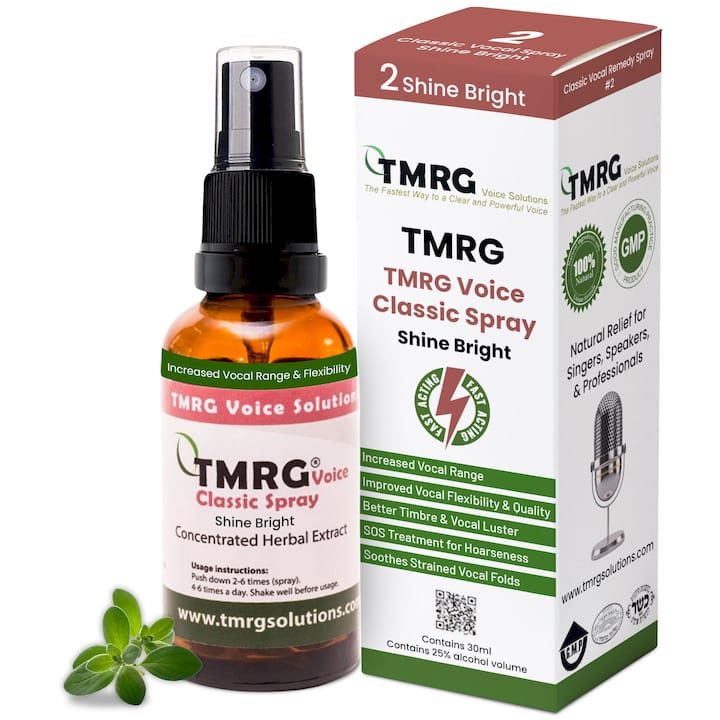
Hydration and humidification remain the foundation, but topical products can bridge the gap between your water bottle and a full clinical intervention. Tmrgsolutions has built its catalog around this exact idea after more than 25 years working with singers, actors, and voice professionals.
For quick topical relief before a set, TMRG Shine Bright Classic Voice Recovery Spray (#2) and TMRG Defense Oils and Saline Voice and Throat Spray (#5) deliver moisture directly to the fold surface, similar in principle to saline nebulization. For soothing sensations and short-term recovery, TMRG Loud & Clear Classic Voice Recovery Drops (#1) and TMRG Protection Voice Synergy Oil Lost Vocal Drops (#6) work as targeted, on-hand options.
If you’re managing a recurring pattern of vocal fatigue rather than a one-off dry spell, structured kits make more sense than single products:
Follow label directions on frequency and use, and treat any product as a complement to water intake and humidification, not a replacement for either. If hoarseness or discomfort persists past two weeks despite consistent use, that’s still the signal to see an ENT rather than reach for a stronger product.
Dry air gets most of the attention, but airborne irritants do comparable damage, and they’re often harder to spot. Pollen, mold spores, pet dander, and urban particulate matter all inflame the mucosal lining of the throat, triggering the same thickened-secretion, throat-clearing cycle that dry air causes.

Seasonal allergy sufferers face a frustrating trade-off. Antihistamines control the sneezing and itchy eyes but dry the vocal folds as a side effect, which means the “solution” to allergies can quietly work against vocal cord lubrication. Newer non-sedating antihistamines tend to cause less drying than older formulas, but none are drying-free. If allergies flare during a performance season, talk to your doctor about timing doses so the drying effect peaks well before you need to sing, not right beforehand.
Indoor pollutants matter just as much. Scented candles, incense, wood smoke, and even strong cleaning products irritate the same tissue that dry heat does. Green rooms and rehearsal spaces near stage fog machines or hazers deserve particular caution. That fog often contains glycol-based compounds that some singers tolerate fine and others find intensely drying.
If you perform regularly in a city with poor air quality days, checking a local air quality index before rehearsal isn’t overkill. On high-pollution days, a saline rinse or nebulizer session after exposure can help clear irritants from the throat before they settle in overnight.
Voice rest works differently than hydration, but the two reinforce each other. Talking and singing generate friction between the vocal folds, and that friction is exactly what a healthy mucus layer is meant to buffer. When the folds are already dry or irritated, adding hours of unnecessary talking on top of that friction undoes whatever hydration progress you’ve made.
Complete silence isn’t realistic for most people, and it isn’t always necessary. Relative voice rest, meaning you cut out shouting, whispering (which is surprisingly harsh on the folds), and unnecessary chatter, gives the mucosa time to recover without demanding total silence for days. Save your voice for what matters: rehearsal, performance, essential conversations.
Behavioral changes compound over time in ways a single day of rest never will. Singers who consistently avoid throat clearing, manage reflux, and moderate their talking volume in loud environments report fewer dry, hoarse mornings than those who rely on occasional rest days to fix chronic strain. Loud environments deserve special mention here. Talking over music at a bar or shouting over a crowd forces your folds to work harder and dry out faster, regardless of how much water you drank that day.
If your voice feels persistently tired despite good hydration habits, the fix might not be more water. It might be fewer hours of unnecessary vocal load stacked on top of the hydration you’re already doing right.
Vocal cord lubrication depends on combining consistent systemic hydration with targeted topical humidification, since neither approach alone fully protects the vocal fold mucosa.
| Point | Details |
|---|---|
| Hydrate systemically every day | Aim for a commonly recommended amount of water daily to maintain systemic hydration, adjusting upward for factors like caffeine, alcohol consumption, or travel. |
| Use topical hydration for fast relief | Steam or saline nebulization delivers moisture directly to the vocal fold surface within minutes. |
| Break the throat-clearing cycle | Swallow instead of clearing your throat, since clearing abrades already-dry vocal folds. |
| Watch for ENT red flags | See a clinician for hoarseness beyond two weeks, pain, blood, or sudden range loss. |
| Layer TMRG products onto the routine | Sprays and drops like TMRG Shine Bright and TMRG Loud & Clear support hydration between water and clinical care. |
The biggest misconception isn’t about hydration itself. It’s about timing. Most singers treat water like a fire extinguisher, something to reach for once the throat already feels dry, when the physiology of systemic hydration makes that approach almost useless. Water you drink an hour before a show hasn’t had time to reach the vocal fold surface. The singers who never seem to fight dryness are the ones drinking steadily for days, not the ones chugging water backstage.
Conventional advice also overstates what any single remedy can do. Tea, honey, and lozenges get treated like solutions when they’re really just comfort measures that soothe tissue above the larynx. That’s not nothing, but it’s not lubrication either. The research on hydration interventions backs this up: the effects are real but modest, which means no product or ritual is going to substitute for the boring, consistent habit of drinking water all day, every day.
What deserves more attention than it gets is behavior. Throat clearing, reflux, and shouting over loud environments do more cumulative damage than most singers realize, and no amount of water fixes a habit that keeps re-irritating the tissue. Fix the behavior first. Layer hydration and topical products on top of that foundation, not instead of it.
— Golan
Water and a humidifier handle most of the daily work, but performance days call for something more targeted, and that’s where a dedicated product line beats improvising with tea and lozenges. Tmrgsolutions built its catalog specifically around the gaps that plain hydration leaves open, whether that’s fast topical relief before a set or a structured recovery plan after a demanding week of shows.
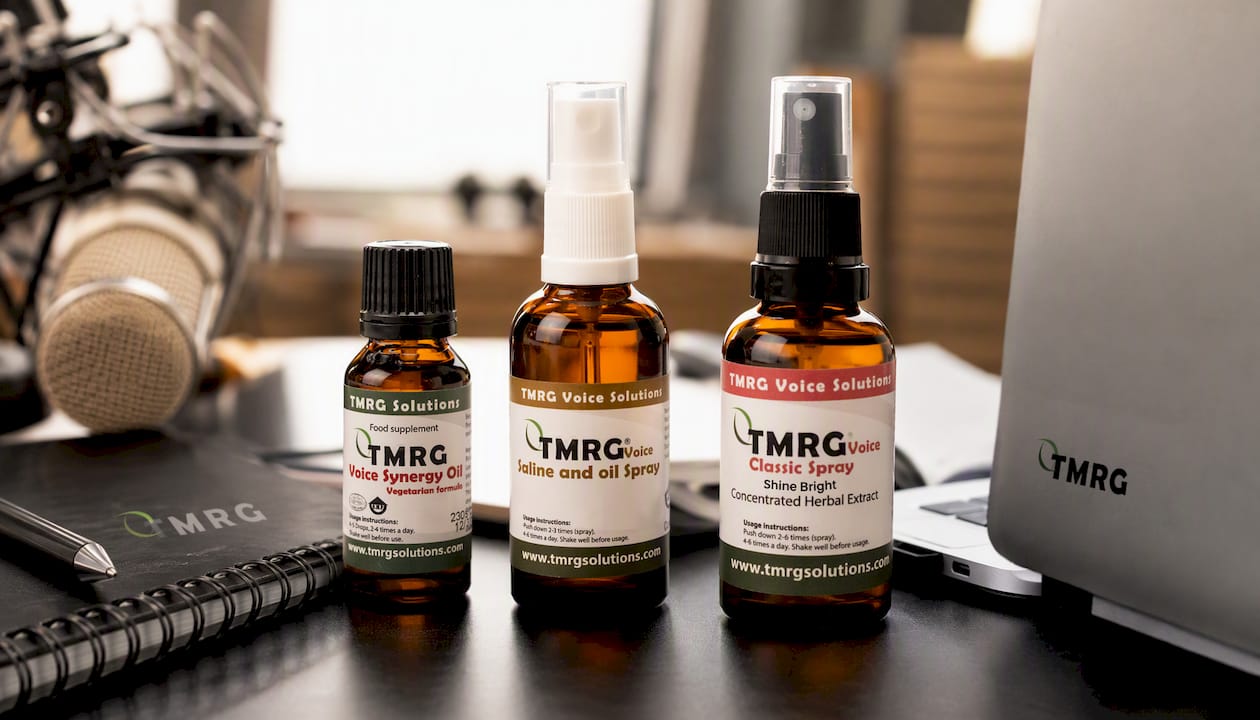
If you need something for right now, the TMRG Loud & Clear Classic Voice Recovery Drops and TMRG Shine Bright Classic Voice Recovery Spray are built for exactly the pre-performance window this article covers. For singers managing recurring fatigue rather than an occasional rough night, the TMRG Voice Therapy kit - Standard offers a fuller, structured approach backed by over 25 years of vocal-health formulation work. Browse the full product lineup and pick the option that matches where your voice actually needs support today.
This article is general information, not a substitute for advice from a qualified doctor. Consult a qualified healthcare professional about your own circumstances before acting on anything here.
The most reliable method combines daily systemic hydration, roughly 64 fl oz of water, with topical humidification like steam or saline when you need faster surface relief.
Steam inhalation for two to three minutes or a saline nebulizer session delivers moisture directly to the vocal fold surface faster than drinking water alone.
Consistent hydration, humidified sleep environments, reduced throat clearing, and voice rest support natural recovery, though persistent hoarseness beyond two weeks needs an ENT evaluation.
Saline-based sprays and nebulizer solutions work well for direct surface moisture, while products like TMRG Shine Bright and TMRG Defense Oils and Saline Spray offer targeted topical support alongside daily hydration.
Not much. Water absorbed just before a performance hasn’t reached the vocal fold surface yet, which is why steady all-day hydration matters more than a last-minute glass.
