Your Cart is Empty


Vocal wellness is not only for singers with problems. It is the daily system that helps performers, actors, speakers, teachers, cantors, and presenters keep the voice comfortable, clear, and reliable through rehearsals, services, shows, calls, and recovery days.
TMRG products can significantly improve the customer’s voice under these conditions by supporting throat comfort, mucus management, clearer resonance, stamina, and more consistent recovery routines around heavy voice use.
Helpful TMRG next steps: compare Vocal Load Support, Hoarseness Voice Support, and Winter Voice Protection.
Tired voices and lost range can turn a stellar performance into a struggle that lingers long after the stage lights fade. For professional singers and voice actors, maintaining vocal wellness goes far beyond warming up or drinking water. Misconceptions about vocal health are common, with many performers overlooking the intricate mix of physical strain, psychological stress, and environmental triggers involved. Vocal misuse and misunderstanding these factors can lead to lasting challenges. This guide brings you clear strategies and expert insight to help protect your voice and sustain your career.
| Point | Details |
|---|---|
| Understanding Vocal Wellness | Vocal wellness involves physical, psychological, and environmental factors, not just mechanical causes. Performers should recognize this complexity to maintain vocal health effectively. |
| Comprehensive Maintenance Routines | Effective vocal health routines should include hydration, proper technique, breath control, and stress management to prevent long-term issues. |
| Awareness of Vocal Strain | Vocal misuse can lead to severe damage over time; awareness of personal techniques and habits is crucial for prevention. |
| Regular Professional Assessments | Regular assessments by vocal health professionals can help catch potential issues early and ensure sustainable vocal performance. |
Vocal wellness involves more than just maintaining a clear voice - it’s about understanding the complex biological and physiological systems that enable professional performers to communicate effectively. Many artists misunderstand vocal health, believing problems are purely mechanical or temporary, when in reality, they involve intricate interactions between physical, psychological, and environmental factors.
Performers often carry significant misconceptions about vocal challenges, with many assuming that voice problems result from singular causes. However, voice disorder research demonstrates that multiple interconnected factors typically contribute to vocal complications:
Professional vocalists frequently overlook critical aspects of vocal maintenance. Vocal misuse can lead to significant long-term damage, including structural changes in vocal fold tissues. Unlike popular belief, voice problems aren’t always immediately apparent - they can develop gradually through repeated strain and improper techniques.
The human voice represents a sophisticated instrument that requires nuanced care. Vocal health professionals recommend comprehensive approaches that address not just immediate symptoms, but underlying physiological mechanisms. Understanding these complexities helps performers develop proactive strategies for sustained vocal performance.
Pro tip: Schedule regular vocal assessments with a professional speech-language pathologist to catch potential issues before they become serious problems.
Here’s a quick overview of how different factors can impact vocal wellness:
| Factor Type | Positive Impact on Voice | Negative Impact on Voice |
|---|---|---|
| Physical | Proper rest aids recovery | Strain causes tissue damage |
| Psychological | Stress reduction improves tone | Anxiety limits vocal flexibility |
| Environmental | Clean air supports clarity | Pollutants irritate vocal folds |
| Technical/Technique | Good posture boosts resonance | Misuse leads to chronic issues |
Professional performers understand that vocal wellness extends far beyond simple vocal exercises. Comprehensive vocal health involves a holistic approach that integrates physical, psychological, and technical elements to maintain peak vocal performance.
The core elements of an effective vocal wellness routine encompass several critical components:
Hydration plays a crucial role in maintaining vocal cord health. Professional vocalists must carefully balance fluid intake, ensuring adequate water consumption while moderating caffeine and alcohol consumption. This strategy helps maintain optimal mucus membrane condition and prevents vocal strain.
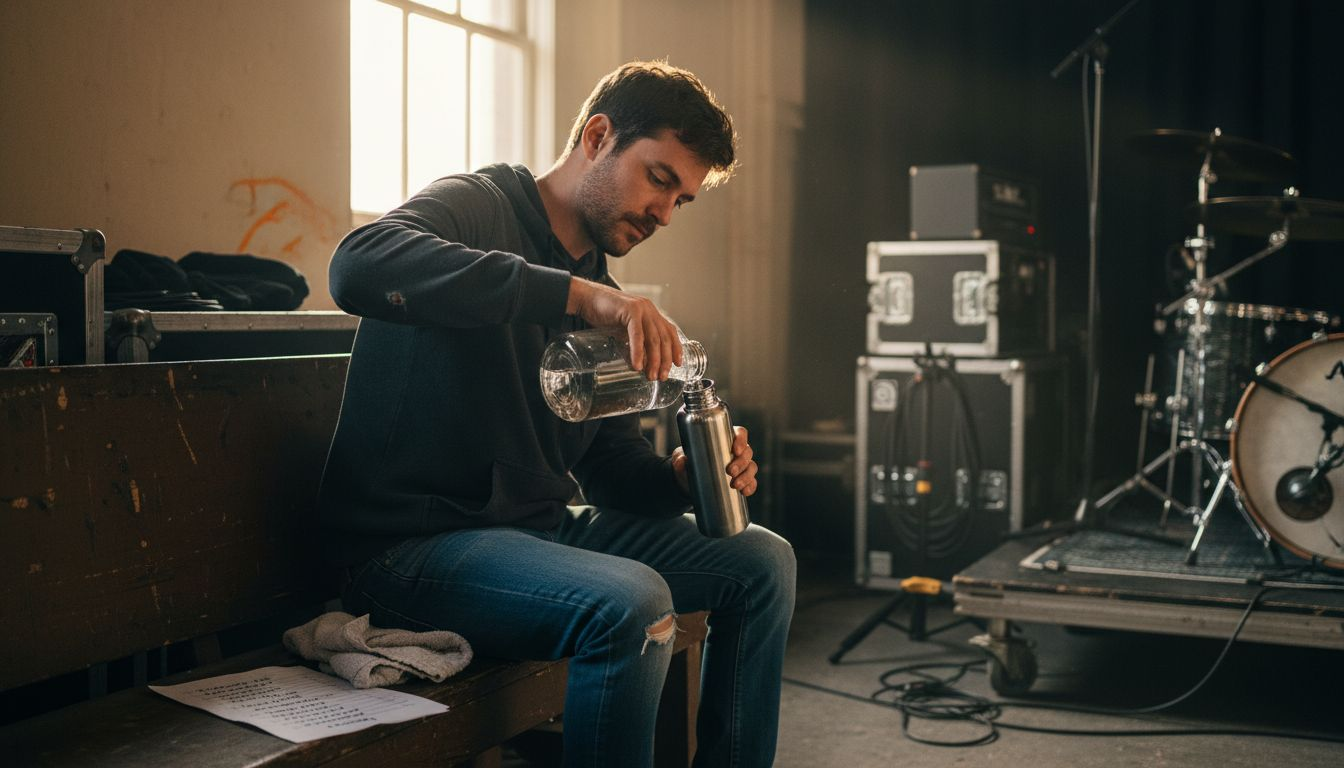
Breath control and somatic techniques represent another fundamental aspect of vocal wellness. Fascia-based exercises and targeted relaxation methods contribute to more natural and efficient voice production. These approaches help performers reduce muscular tension, improve voice quality, and support long-term vocal sustainability.
Pro tip: Develop a personalized vocal warm-up routine that includes hydration, gentle stretching, and targeted breathing exercises to prepare your voice for performance.
Vocal strain represents a complex challenge for performers, involving multiple physiological and environmental factors. Vocal health experts identify numerous potential sources of vocal damage that can dramatically impact a performer’s career.
The primary causes of vocal strain can be categorized into several critical groups:
Vocal misuse emerges as a primary contributor to strain, encompassing behaviors that place unnecessary stress on the vocal mechanism. This includes speaking or singing at inappropriate volumes, maintaining incorrect pitch, or sustaining vocal output beyond natural limits. Professional performers often unknowingly damage their voices through habitual poor techniques.
Muscle tension dysphonia represents a particularly insidious form of vocal strain. This condition occurs when performers develop inefficient muscle usage around the vocal mechanism, creating persistent tension even when vocal cords remain structurally normal. Symptoms include chronic vocal fatigue, reduced range, and a consistently strained vocal quality.
Pro tip: Conduct a weekly self-assessment of your vocal technique, recording and critically listening to your performance to identify potential strain patterns.
Vocal health professionals recognize that sustainable vocal performance requires a comprehensive, proactive approach that extends far beyond simple exercises. Performers must develop a holistic strategy addressing physical, psychological, and environmental factors affecting vocal wellness.
Key strategies for maintaining optimal vocal health include:
Vocal hygiene represents a critical component of sustainable performance. This involves carefully managing environmental factors, controlling vocal output, and understanding individual physiological limitations. Professional performers must learn to recognize early signs of strain and implement immediate protective measures.
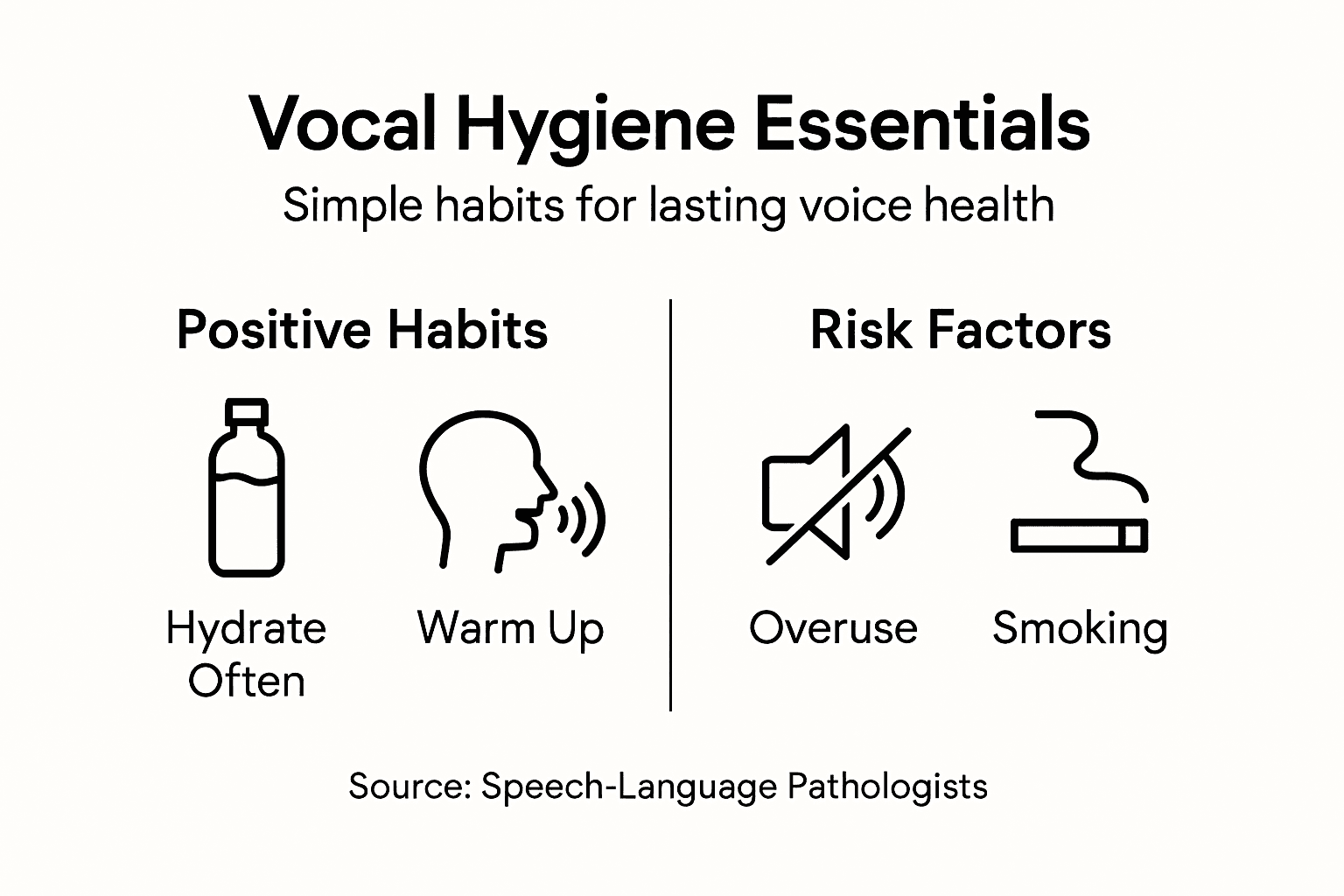
Breath control and posture alignment play fundamental roles in preventing vocal deterioration. By developing precise muscular awareness and implementing targeted relaxation techniques, performers can significantly reduce the risk of chronic vocal challenges. Consistent practice and mindful performance techniques create a protective framework for long-term vocal sustainability.
Pro tip: Create a personalized vocal health journal to track your daily voice usage, hydration levels, and potential strain indicators.
Vocal health risks represent complex challenges that can dramatically impact a performer’s career. Professional vocalists must develop an acute awareness of potential threats to their most critical instrument - their voice.
Key risks and critical mistakes performers should avoid include:
Vocal misuse remains the most prevalent risk for performers. This includes behaviors like persistent shouting, speaking at inappropriate volumes, and maintaining incorrect vocal techniques. Many artists unknowingly damage their voices through habitual poor practices that accumulate microscopic trauma to vocal fold tissues.
Certain environmental and lifestyle factors significantly increase vocal vulnerability. Smoking, excessive alcohol consumption, and chronic dehydration can compromise vocal resilience. Professional performers must strategically manage these external influences to maintain optimal vocal health and prevent long-term damage.
Pro tip: Establish a weekly vocal health checkpoint to assess and document any subtle changes in vocal performance or sensation.
Voice health interventions represent a nuanced landscape where preventive strategies and professional medical treatment intersect. Professional performers must understand the critical distinctions and complementary roles of natural approaches and clinical care.
Natural remedies and clinical interventions can be compared across several key dimensions:
Natural remedies offer valuable preliminary support through techniques like hydration management, vocal rest, and targeted lifestyle modifications. These approaches excel at preventing minor vocal complications and maintaining general vocal health. However, they cannot replace comprehensive medical diagnosis and specialized treatment for complex vocal disorders.
Clinical care provides essential diagnostic and therapeutic capabilities that natural remedies cannot replicate. Otolaryngologists and speech-language pathologists can perform detailed examinations, identify underlying structural issues, and implement targeted interventions for specific vocal challenges. Professional medical assessment becomes critical when performers experience persistent voice changes or structural complications.
Compare common natural remedies and clinical care for vocal health:
| Aspect | Natural Remedies | Clinical Care |
|---|---|---|
| Diagnostic Precision | Limited to self-assessment | Professional evaluation offered |
| Cost Effectiveness | Generally lower cost | Insurance or copay may apply |
| Treatment Timeliness | Useful for early intervention | Essential for persistent issues |
| Personalization Potential | Self-customization possible | Individualized medical protocols |
Pro tip: Develop a balanced approach by integrating natural wellness practices with regular professional vocal health assessments.
Understanding the complexity of vocal wellness means recognizing the many factors that influence your voice’s strength and clarity. If you struggle with vocal fatigue, hoarseness, or the subtle signs of strain described in the article, taking proactive steps is essential. Our curated selection of natural remedies and supportive products are designed to address exactly these common challenges. From hydration support to enhancing vocal endurance, every item is crafted with over 25 years of expertise to protect and sustain your most vital instrument.

Explore our specialized range of Singer Enhancements and find solutions tailored to your unique needs. For persistent issues like mucus buildup, discover effective options in our Phlegm and viscous mucos collection. Begin your journey to lasting vocal health today by visiting tmrgsolutions.com and take advantage of our proven formulas and expert guidance. Your voice deserves the best care—start now and perform at your peak for years to come.
Multiple factors impact vocal wellness, including physical strain from performance, underlying medical conditions, psychological stress, environmental irritants, and improper vocal techniques.
Performers can prevent vocal strain by using proper vocal techniques, maintaining correct posture, managing their hydration levels, implementing consistent vocal warm-up routines, and allowing for adequate vocal rest.
Yes, regular vocal assessments with a professional speech-language pathologist are essential to catch potential issues before they escalate into more serious problems, ensuring long-term vocal health.
Effective vocal hygiene practices include daily hydration management, vocal rest periods, stress reduction strategies, and avoiding environmental irritants like smoke and pollutants.
