Your Cart is Empty


Over 60 percent of American singers and public speakers report vocal fatigue or strain at some point in their careers. Whether you are preparing for a big presentation or aiming to hit every note on stage, keeping your voice in top shape is essential. Learning the science behind vocal exercises and how they support strength, flexibility, and healthy performance can help you protect your voice and make every word count.
| Point | Details |
|---|---|
| Vocal Exercises Enhance Performance | Structured vocal exercises improve range, control, and stamina, making them essential for effective vocal use. |
| Consistent Practice is Crucial | Daily integration of vocal exercises leads to significant long-term improvements in voice quality and health. |
| Avoid Common Mistakes | Skipping warm-ups and overexerting the voice can harm vocal health; being mindful of posture and practice consistency is vital. |
| Professional Guidance Maximizes Benefits | Seeking advice from vocal therapists can optimize vocal training and prevent potential voice disorders. |
Vocal exercises are specialized techniques designed to strengthen and improve the functionality of your vocal apparatus, helping performers, speakers, and individuals maintain optimal voice health. These targeted physical and breathing practices work to enhance vocal cord flexibility, control, and resilience.
At their core, vocal exercises involve systematic movements and breathing techniques that train the muscles surrounding your voice box. Much like athletes condition their bodies, vocalists condition their voices through structured practice. These exercises help prevent strain, improve vocal range, and develop greater vocal stamina.
The primary purposes of vocal exercises include:
Professional voice therapists recognize that systematic vocal training can significantly impact vocal health. According to clinical research, voice therapy techniques help individuals prevent and treat voice disorders by teaching precise control over pitch, volume, and vocal cord function. Whether you’re a professional singer, lecturer, or someone experiencing vocal challenges, consistent vocal exercises can transform your vocal capabilities and protect your most essential communication tool.
Vocal exercise techniques represent a comprehensive approach to maintaining and improving vocal performance, encompassing a range of specialized methods designed to enhance voice quality and prevent potential vocal strain. These exercises are strategically developed to target different aspects of vocal production, from breath control to muscle flexibility.
Vocal warm-up exercises play a critical role in preparing the voice for performance, and they can be categorized into several essential types. According to vocal health research, semi-occluded vocal tract techniques are particularly effective, including methods like:
Professional vocalists and speech therapists recognize that comprehensive vocal care involves more than just sound production. Breathing techniques form the foundation of effective vocal exercises, helping performers develop consistent breath support, reduce vocal fatigue, and maintain precise sound quality. By systematically practicing these targeted exercises, individuals can significantly improve their vocal resilience, control, and overall performance potential.
Performance optimization through vocal exercises represents a sophisticated approach to enhancing vocal capabilities, transforming raw vocal potential into refined, controlled expression. These targeted techniques go far beyond simple warm-ups, creating fundamental changes in vocal muscle coordination and physiological response.
Vocal function exercises developed by expert researchers systematically strengthen laryngeal muscles and improve airflow dynamics. Singing techniques demonstrate remarkable improvements across multiple performance dimensions:
Professional vocalists understand that vocal warm-ups are not just preparatory rituals but critical training mechanisms. These exercises enhance muscle elasticity, improve breathing coordination, and reduce performance anxiety by creating neurological pathways that support consistent, high-quality vocal production. By systematically practicing these techniques, performers can transform their vocal potential, achieving greater control, resilience, and expressive range.

Vocal training demands precision and awareness. Even experienced performers can inadvertently compromise their vocal health by making critical errors that might seem insignificant but can significantly impact long-term vocal performance and resilience.
Vocal health experts emphasize several common mistakes that singers and speakers must consciously avoid:
Professional vocal training guidelines recommend implementing strategic approaches to prevent vocal strain. Comprehensive warm-up routines are essential, including gentle physical stretches and systematic vocal progressions that release muscular tension and prepare the vocal mechanism. By understanding and avoiding these common mistakes, performers can protect their most valuable instrument and develop sustainable, powerful vocal techniques.
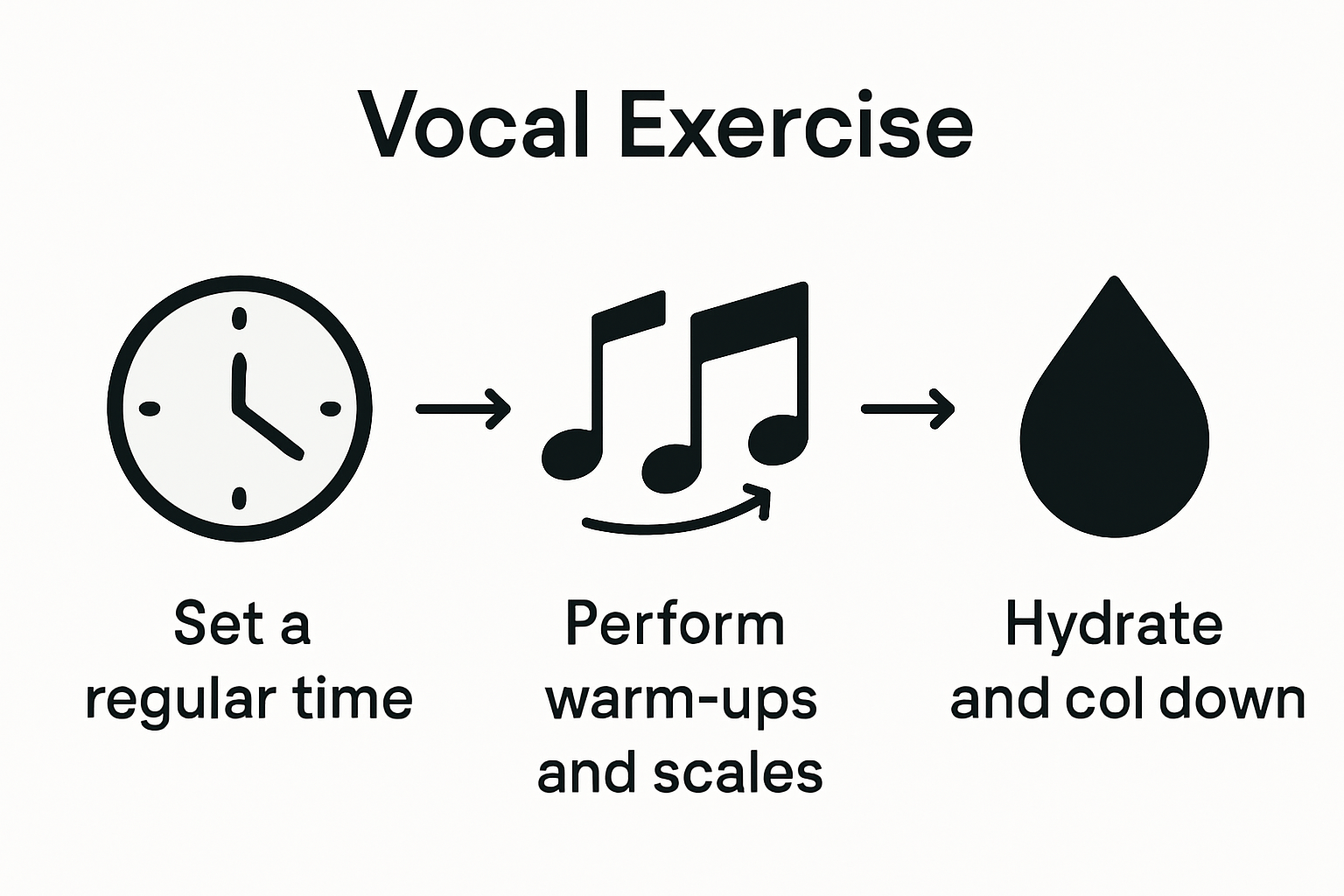
Daily vocal practice transforms sporadic efforts into consistent, meaningful improvement. Successful vocal development requires strategic integration of exercises that can be seamlessly woven into everyday life, making skill enhancement feel natural and achievable.
Vocalisation exercises provide a systematic approach to developing vocal control, with strategies that can be implemented in various daily scenarios:
Vocal training techniques emphasize that consistency matters more than duration. Professional performers understand that 15-20 minutes of focused, intentional practice distributed throughout the day can yield more significant improvements than sporadic, lengthy sessions. By treating vocal exercises as a non-negotiable part of personal care, individuals can systematically enhance their vocal strength, flexibility, and overall performance potential.
Vocal exercises are powerful tools for boosting strength and stamina, but combining them with the right natural care is essential to prevent vocal fatigue and maintain peak performance. If you struggle with vocal strain or hoarseness despite consistent practice, embracing supportive remedies can make all the difference. Our Singer Enhancements - TMRG Solutions collection offers carefully formulated natural products designed to complement your vocal exercises and promote faster recovery.

Take control of your vocal health today by integrating expert-backed solutions from https://tmrgsolutions.com alongside your practice routine. Whether you need relief from phlegm, improved vocal resilience, or overall care, explore our Phlegm and viscous mucos - TMRG Solutions for targeted support. Start enhancing your vocal strength and stamina now with natural remedies trusted by professionals.
Vocal exercises are specialized techniques aimed at strengthening and improving the functionality of your vocal apparatus. They promote vocal cord flexibility, control, and resilience, helping to prevent strain and enhance vocal range and stamina.
You can easily incorporate vocal exercises into your daily life by practicing during natural breaks, such as doing warm-ups in the morning, soft scales while commuting, or taking quick vocal breaks during work. Consistency is key, and even short sessions can lead to significant improvements.
Focus on exercises that target breath control and vocal flexibility, such as lip trills, humming, glides and scales, and vowel sequences. These methods help develop your vocal range and improve articulation and vocal control.
Common mistakes include skipping warm-ups, overexerting your voice, ignoring physical tension in your body, and inconsistent practice. Avoiding these pitfalls will help protect your vocal health and enhance your overall performance.
