Your Cart is Empty


Most American singers believe their vocal range is set in stone, yet research shows that with regular training, your range can expand by up to two full octaves. Understanding the truth behind vocal range myths empowers both beginners and seasoned performers to make smarter choices for their unique voices. This guide helps you uncover the science of vocal categories, debunk common misconceptions, and safeguard your voice for lasting artistic growth.
| Point | Details |
|---|---|
| Understanding Vocal Range | Vocal range is not a fixed attribute; it can be developed through consistent training and proper technique. |
| Classifications of Vocal Types | Vocal types are categorized into flexible classifications, including soprano, tenor, and bass, each with unique tonal qualities. |
| Determining Your Range | Identifying your vocal range involves a systematic approach that emphasizes comfort, tone quality, and careful practice. |
| Protecting Your Voice | Vocal strain can lead to permanent damage; it’s crucial to maintain proper hydration, warm-ups, and vocal health to protect your range. |
Your vocal range represents the total number of musical notes a singer can comfortably produce from their lowest to highest pitch. It is a fundamental measurement that goes far beyond simple pitch capability and involves understanding how your vocal mechanism functionally operates. Vocal range classifications typically divide voices into specific categories based on tonal quality, pitch span, and resonance characteristics.
Many singers misunderstand vocal range, believing it is a fixed, unchangeable attribute. In reality, vocal range can be expanded and developed through consistent training and proper technique. The human voice contains multiple registers, including modal voice and falsetto, which contribute to overall range flexibility. Contrary to popular belief, falsetto is not exclusive to male singers but exists across genders, representing a unique vocal production method where only the vocal cord edges vibrate.
Understanding vocal range involves recognizing several key myths. First, having a wide range does not automatically make someone a superior vocalist - tone quality, control, and emotional expression matter significantly more. Second, vocal ranges are not strictly binary but exist on a sophisticated spectrum. Professional singers often work across multiple registers, blending their modal voice and falsetto to create nuanced performances. Ultimately, vocal range is a dynamic skill that can be developed with patience, proper technique, and targeted vocal health practices.
To effectively understand and expand your vocal range, consider these fundamental factors:
Vocal range classifications provide a systematic approach to understanding the human voice, categorizing singers based on their unique tonal characteristics and pitch capabilities. Voice types in classical music traditionally divide voices into six primary categories: soprano, mezzo-soprano, contralto, countertenor, tenor, and bass. Each classification represents a specific range of notes and tonal qualities that define a singer’s natural vocal capabilities.
The female vocal range encompasses three primary types. Sopranos represent the highest female voice, typically singing between middle C and high C, with brilliant and light tonal qualities. Mezzo-sopranos occupy the middle female vocal range, featuring a warmer, richer tone and slightly lower pitch range. Contraltos represent the lowest female voice type, characterized by deep, rich sounds that provide remarkable depth and emotional resonance.
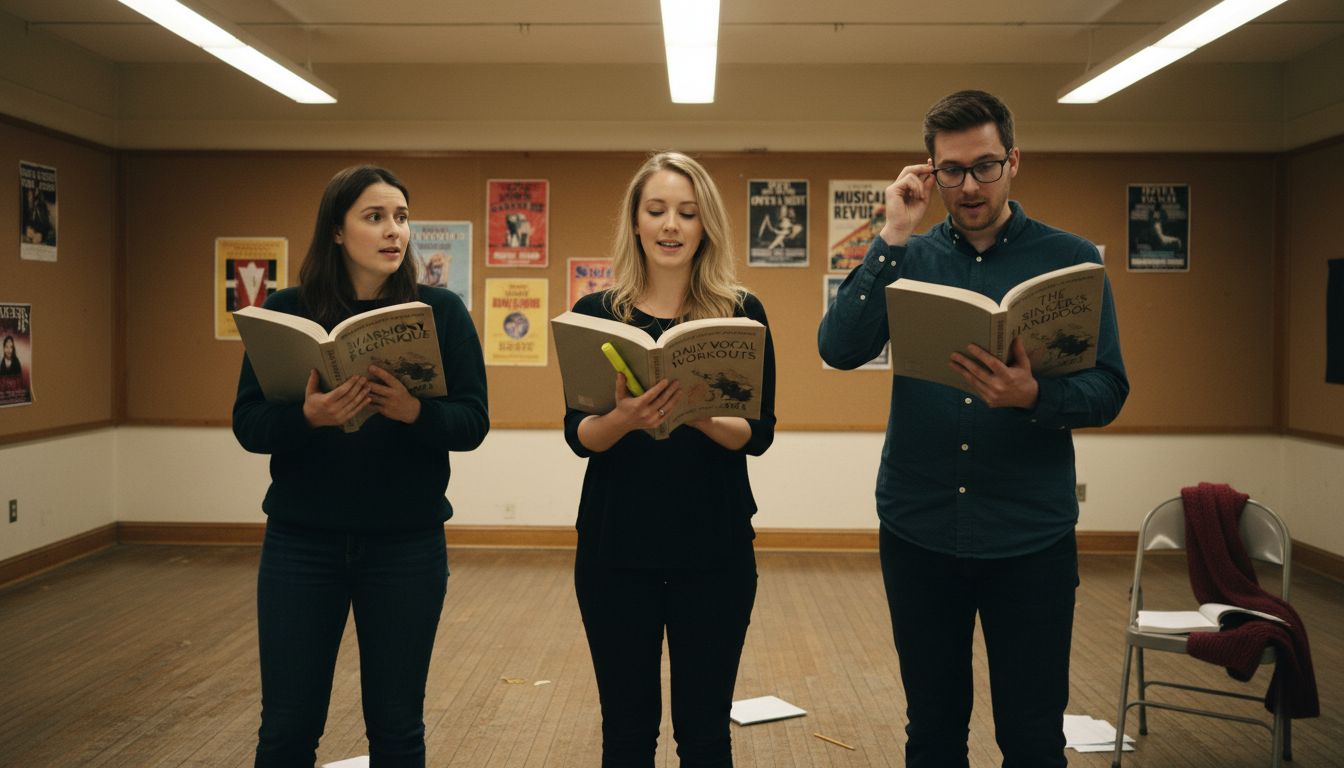
Male vocal ranges similarly demonstrate intricate variations. Countertenors produce exceptionally high male voices, often singing in ranges traditionally associated with female vocalists. Tenors represent the higher male voice type, known for their bright, powerful upper register. Baritones sit in the middle male vocal range, offering a balanced tone between tenors and basses. Bass singers produce the lowest male vocal range, delivering profound, resonant sounds that anchor musical compositions.
Understanding vocal range classifications involves recognizing that these categories are not rigid constraints but flexible guidelines. Professional singers often develop skills that transcend traditional boundaries, blending techniques and exploring multiple registers. Key factors influencing vocal range include:
Determining your vocal range requires a systematic and patient approach that combines self-assessment, technical understanding, and careful practice. Identifying vocal capabilities involves more than simply hitting high or low notes - it requires understanding your voice’s natural comfort zone, resonance, and tonal quality. Professional vocalists recognize that vocal range is not a fixed attribute but a dynamic skill that can be developed and refined through strategic training.
The practical process of determining your vocal range begins with a structured approach. Start by finding a comfortable starting note in your speaking voice, then systematically move up and down the musical scale.
Professional vocal coaches suggest several key strategies for accurate vocal range identification. Warm up thoroughly before testing to prevent potential vocal damage. Record yourself during range exercises to objectively analyze your performance. Pay attention to where your voice feels most comfortable and where it starts to break or sound strained. These transition points between vocal registers are crucial in understanding your unique vocal characteristics.
To effectively map your vocal range, follow these systematic steps:
Vocal range is far more than a technical measurement - it represents the fundamental instrument through which performers express emotion, tell stories, and connect with audiences. Opera role selection dynamics demonstrate how critical vocal range is in determining a performer’s potential and versatility. Professional singers understand that their vocal range directly influences their artistic opportunities, casting potential, and overall performance capabilities.
In the performing arts, vocal range serves as a critical differentiator between good and exceptional performers. Different voice types unlock specific musical and dramatic possibilities. A wide vocal range allows performers to explore diverse musical genres, from classical opera to contemporary pop, providing greater flexibility and artistic expression. The nuanced ability to move seamlessly between vocal registers enables singers to interpret complex emotional landscapes, conveying subtle variations in tone and intensity that transform a simple song into a profound artistic experience.
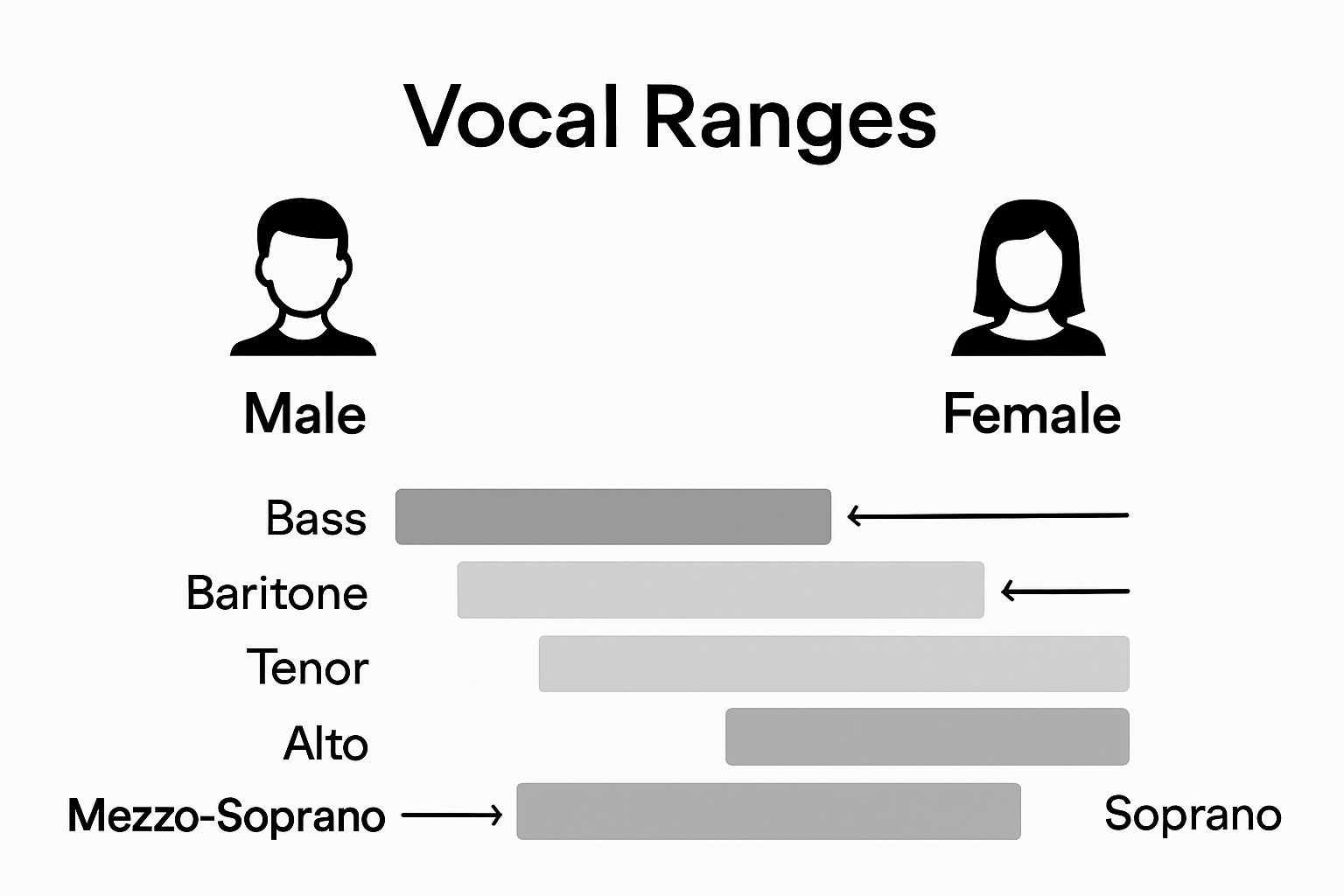
Professional performers recognize that vocal range impacts more than artistic expression - it significantly influences career trajectory. Certain musical roles and theatrical parts require specific vocal characteristics, making range a crucial factor in casting decisions. A tenor with an extended upper register might be ideal for romantic leads, while a baritone with rich lower tones could excel in dramatic character roles. Understanding and developing one’s vocal range becomes a strategic career investment, opening doors to diverse performance opportunities.
Key reasons why vocal range matters for performers include:
Vocal strain represents one of the most significant risks performers face when pushing beyond their natural range. Preventing vocal injuries requires understanding the delicate mechanisms of vocal production and respecting individual physiological limitations. Singers who consistently attempt to perform outside their comfortable range risk permanent damage to their vocal cords, potentially leading to reduced performance capabilities or even career-ending vocal injuries.
Understanding the limitations of vocal range involves recognizing the unique characteristics of your individual voice. Vocal range preservation strategies emphasize that each voice has intrinsic boundaries determined by physical anatomy, muscular structure, and years of training. Professional performers learn to work within these limitations, developing techniques that maximize their vocal potential without causing unnecessary strain. This approach requires continuous self-awareness, regular vocal health assessments, and a commitment to gradual, sustainable vocal development.
Protecting your voice demands a holistic approach that combines technical skill, physical care, and strategic performance practices. Singers must develop a comprehensive vocal maintenance routine that includes proper hydration, consistent warm-up exercises, adequate rest, and mindful performance techniques. Avoiding excessive vocal stress means learning to recognize early warning signs of fatigue, such as vocal raspiness, reduced tonal clarity, or discomfort during singing. Professional performers treat their voice as a delicate instrument, implementing preventative measures to ensure long-term vocal health and sustainability.
Key strategies for protecting your vocal range include:
Understanding your vocal range and its importance is the first step to a stronger, healthier voice. If you experience challenges like vocal fatigue, strain, or struggle to maintain control across your registers, our carefully crafted products designed for Singer Enhancements - TMRG Solutions can help you safely expand and preserve your vocal capabilities.

Take control of your vocal health today with natural remedies trusted by professionals for over 25 years. Visit https://tmrgsolutions.com to explore targeted solutions including treatments for nodules - TMRG Solutions and support for Lack of proper adduction / breath voice - TMRG Solutions. Start protecting your vocal investment now to enjoy greater versatility and long-term performance success.
Vocal range refers to the total number of musical notes a singer can comfortably produce, from their lowest to highest pitch. It encompasses multiple registers and is an essential measure of a singer’s vocal capabilities.
To determine your vocal range, start by finding a comfortable note in your speaking voice and then systematically move up and down the musical scale using a piano or digital tuner. Take note of your lowest and highest sustainable notes while focusing on comfort and tonal quality.
Vocal range is crucial for performers as it directly impacts artistic versatility, role selection, and emotional expression. A broader range allows singers to explore different musical genres and convey complex emotions, enhancing their connection with the audience.
Yes, vocal range can be expanded through consistent training, proper breathing techniques, and targeted warm-ups. With patience and the right approach, singers can develop their vocal range and improve their overall vocal abilities.
