Your Cart is Empty


Actors often move between projection, emotional intensity, accents, long rehearsals, and repeated performances. Vocal exercises help build flexibility and control, but recovery habits protect the voice between sessions.
Use exercises alongside hydration, gentle pacing, warmups, cooldowns, and throat-comfort support. TMRG products can significantly improve day-to-day voice comfort, clarity, mucus balance, and stamina for actors and performers with heavy vocal demand.
Helpful TMRG next steps: explore Vocal Load Support, Improve Resonance and Voice Quality, and Winter Voice Protection.
Delivering night after night on stage can leave even the most seasoned British actors struggling with vocal strain. Research reveals that nearly 60 percent of professional performers encounter vocal fatigue during peak production periods, putting both health and career at risk. As American methods gain popularity in vocal training circles, UK actors are looking for reliable natural remedies and targeted exercises that boost range, resilience, and expressive power while protecting the voice from lasting damage.
| Point | Details |
|---|---|
| Vocal Exercises Are Essential | Actors benefit from targeted vocal exercises that enhance performance, control, and expressiveness. These techniques include breath management and sound production skills that develop vocal range. |
| Holistic Training Approach | Comprehensive vocal training incorporates warm-ups, articulation drills, and character voice development, focusing on both physical and emotional aspects of vocal performance. |
| Preventive Measures for Vocal Health | Actors should implement strategies like diaphragmatic breathing and hydration to prevent vocal strain and ensure long-term vocal health. |
| Natural Remedies Support Vocal Health | Utilizing natural remedies such as steam therapy and herbal throat sprays can aid in maintaining vocal tract wellness and enhance recovery after performances. |
Vocal exercises represent specialized training techniques designed specifically to enhance an actor’s vocal performance and control. These structured practices focus on developing muscular coordination, breath management, and sound production capabilities that are critical for delivering compelling performances across various dramatic contexts. Actors can systematically improve their vocal range and expressiveness through targeted interventions that address key physiological components.
At their core, vocal exercises involve the coordinated engagement of multiple anatomical systems, including the lungs, larynx, pharynx, mouth, and nasal cavities. Diaphragmatic breathing emerges as a foundational technique, enabling actors to generate strong, consistent airflow that supports sustained vocal projection and tonal clarity. These exercises are not merely technical drills but sophisticated training methods that help performers develop nuanced vocal control, emotional resonance, and the ability to adapt their vocal qualities to different character requirements.
Comprehensive vocal exercise regimens typically incorporate multiple interconnected elements. Applied vocal training combines physical exercises, diction work, and improvisation techniques to support holistic vocal development. Key focus areas include breath control, vocal range expansion, articulation refinement, and resonance optimization. Actors learn to manipulate their vocal instruments with precision, transforming technical skills into authentic, emotionally compelling performances that can captivate audiences across stage and screen.
Pro Tip: Practice vocal exercises consistently for 15-20 minutes daily, focusing on breath support and gradual vocal range expansion to develop muscle memory and sustainable vocal technique.
Vocal exercises for actors encompass a diverse range of specialized techniques designed to develop comprehensive vocal performance skills. Actors can strategically categorize their vocal training into targeted practice areas that address specific aspects of vocal production and control. These categories typically include warm-ups, articulation drills, projection techniques, and character voice development, each serving a unique purpose in enhancing an actor’s vocal repertoire.
Breath awareness and warm-up exercises form the foundational layer of vocal training. Key techniques include lip trills, straw phonation, and diaphragmatic breathing exercises that gently prepare the vocal mechanism for performance. Lip trills help relax the vocal cords, while straw phonation reduces muscle tension and promotes efficient sound production. Diaphragmatic breathing ensures actors can generate sustained, powerful vocal output with minimal strain, creating a robust foundation for more complex vocal work.
Advanced vocal exercise categories target specific performance skills. Articulation exercises, such as intricate tongue twisters, enhance diction and clarity. Projection techniques focus on volume control and resonance placement, enabling actors to communicate effectively across different performance spaces. Character voice development explores tonal variations, pitch manipulation, and emotional range, allowing performers to craft distinctive vocal identities for different roles. These sophisticated exercises transform technical skills into nuanced, emotionally compelling vocal performances that can captivate audiences.
Pro Tip: Incorporate a diverse range of vocal exercises into your daily routine, focusing on consistency and gradual progression to build sustainable vocal strength and flexibility.
Here is a concise summary of the main categories of actor vocal exercises and their unique benefits:
| Training Category | Primary Focus | Unique Benefit |
|---|---|---|
| Breath Awareness & Warm-up | Prepare vocal mechanism | Reduces risk of strain |
| Articulation Drills | Improve diction & clarity | Delivers clear character speech |
| Projection Techniques | Volume & resonance control | Suits stage and screen settings |
| Character Voice Development | Emotional tone variation | Enables diverse character voices |
Vocal range and emotional depth represent critical dimensions of an actor’s performance toolkit, requiring sophisticated training and intentional development. Actors must understand the intricate relationship between psychological landscape and vocal expression to create truly transformative performances. This process involves deep script analysis, technical vocal skill-building, and a nuanced approach to character interpretation that goes far beyond surface-level vocal manipulation.
Developing vocal flexibility demands comprehensive training that addresses multiple interconnected elements. Breath control, posture, and articulation techniques form the foundational framework for authentic emotional expressiveness, enabling actors to modulate pitch, tone, and rhythm with precision. These technical skills allow performers to explore subtle emotional variations, creating vocal performances that communicate complex inner psychological states without relying solely on dialogue or physical gestures.

Advanced vocal range development requires actors to move beyond technical proficiency and embrace a holistic approach to character vocalization. This involves understanding character motivations, psychological subtext, and the subtle emotional undertones that inform vocal choices. Actors learn to craft distinctive voice personas by experimenting with tonal variations, exploring emotional gradients, and developing the ability to seamlessly transition between different emotional states. Such sophisticated vocal work transforms technical exercise into a powerful storytelling instrument that can communicate profound emotional complexity.
Pro Tip: Record and analyze your vocal exercises regularly, paying close attention to emotional nuance and technical precision to accelerate your vocal development.
Vocal strain represents a significant challenge for actors, threatening their professional performance and long-term vocal health. Preventing vocal fatigue requires a comprehensive approach that combines proper breathing techniques, strategic warm-ups, and mindful performance practices. Actors must develop a proactive strategy that addresses both immediate vocal protection and long-term sustainability, understanding that vocal health is a critical component of their professional toolkit.
The foundation of vocal strain prevention lies in understanding and implementing targeted physiological practices. Actors can effectively manage vocal stress through deliberate warm-up and cool-down routines, maintaining optimal hydration, and practicing good vocal hygiene. These strategies include diaphragmatic breathing exercises, avoiding speaking at uncomfortable pitch ranges, and taking strategic vocal breaks during intense rehearsal or performance periods. Maintaining proper posture and implementing breath support techniques can significantly reduce muscular tension and minimize the risk of vocal overexertion.
Advanced vocal strain prevention requires a holistic approach that integrates physical, psychological, and technical considerations. Actors must learn to recognize early signs of vocal fatigue, such as persistent hoarseness, reduced vocal range, or discomfort during speaking. Developing a nuanced understanding of one’s vocal limits, combined with consistent practice of vocal preservation techniques, allows performers to maintain vocal resilience. This involves not just technical exercises, but also lifestyle considerations like adequate sleep, proper nutrition, and stress management that directly impact vocal performance and recovery.
Pro Tip: Create a personalized vocal health journal to track your vocal performance, noting strain levels, recovery times, and effective mitigation strategies.
Vocal health requires a holistic approach that extends beyond traditional medical interventions, emphasizing natural strategies to support and protect an actor’s most valuable instrument. Steam therapy and targeted humidity management emerge as powerful natural remedies for maintaining vocal tract wellness, offering actors accessible and non-invasive methods to support their vocal performance and recovery.
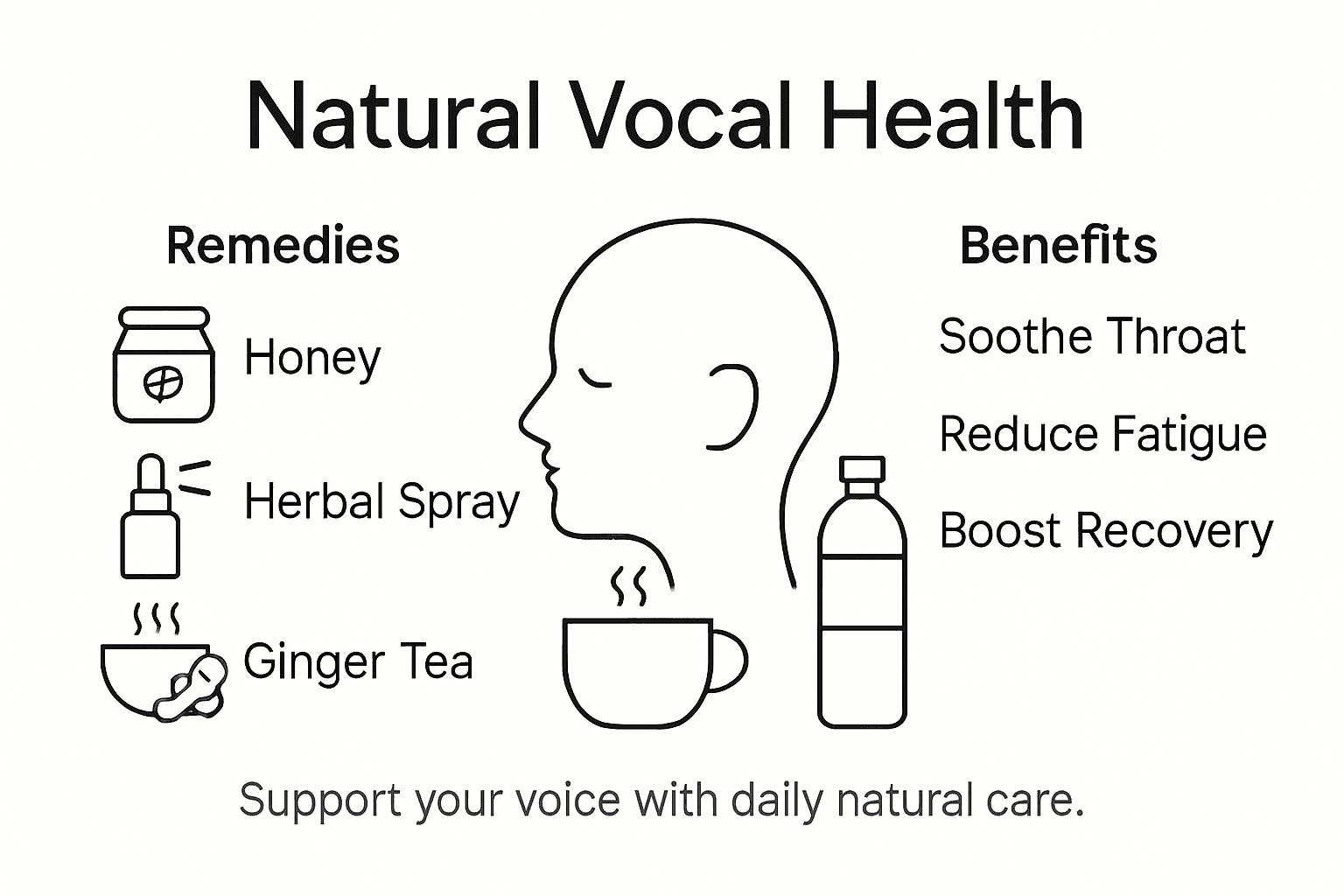
Natural remedies encompass a comprehensive range of techniques designed to address the unique physiological demands of vocal performance. Herbal throat sprays containing anti-inflammatory ingredients can help reduce vocal tract irritation, while strategic hydration and environmental management play crucial roles in vocal preservation. Actors can leverage natural interventions like warm tea with honey, essential oil inhalation, and carefully selected herbal supplements to promote vocal cord healing and reduce inflammation without relying solely on pharmaceutical interventions.
Understanding the intricate balance of vocal health requires actors to develop a nuanced approach to self-care. This involves creating personalized protocols that integrate natural remedies with professional vocal training, lifestyle modifications, and preventative practices. By treating the voice as a complex biological system requiring consistent maintenance, actors can develop resilience against environmental stressors, performance demands, and potential vocal strain. The most effective natural remedy strategies recognize that vocal health is not about quick fixes, but sustained, mindful care.
Pro Tip: Develop a customized vocal health kit with natural remedies, including herbal throat sprays, honey, and a portable steam inhaler for on-the-go vocal support.
The table below highlights common natural vocal remedies and their specific support for vocal health:
| Remedy | Primary Action | Benefit for Actors |
|---|---|---|
| Steam Therapy | Moisturizes vocal tract | Promotes fast recovery |
| Herbal Throat Spray | Reduces inflammation | Relieves irritation |
| Honey with Warm Tea | Soothes throat tissues | Eases vocal discomfort |
| Humidity Management | Maintains optimal hydration | Prevents voice fatigue |
Actors face unique challenges like vocal strain, fatigue, and the need to build emotional depth through precise vocal control. This article highlights how essential vocal exercises are to developing breath support, articulation, and range. However, sustaining peak performance also demands natural remedies and specialized care to prevent vocal damage and maintain consistent expression.
Discover how you can complement your daily vocal exercise routine with proven natural solutions from Singer Enhancements - TMRG Solutions. These products are crafted to soothe irritation, enhance vocal resilience, and support full recovery, aligning perfectly with the vocal health principles emphasized in the article.

Take control of your vocal health now and protect your instrument with trusted natural remedies endorsed by vocal coaches and medical experts. Visit TMRG Solutions to explore our full range of effective products tailored for actors and professional voice users. Your voice deserves the best care for every powerful performance.
Vocal exercises are crucial for actors because they enhance vocal performance, control, and expressiveness, allowing them to deliver compelling performances across various dramatic contexts.
Actors should incorporate a range of vocal exercises, including breath awareness warm-ups, articulation drills, projection techniques, and character voice development, to improve their vocal skills.
Vocal exercises help prevent strain by promoting proper breathing techniques, optimizing vocal efficiency, and developing good vocal hygiene practices, which collectively reduce the risk of vocal fatigue and injury.
Breath control is foundational for sustained vocal projection and clarity, enabling actors to manage their airflow effectively, support their vocal performance, and avoid unnecessary strain.
