Your Cart is Empty


Losing vocal clarity before a big performance can feel like a nightmare for professional singers and voice coaches. Strong vocal health is not simply luck, but the result of careful attention to daily habits, environmental factors, and smart, natural support. By focusing on strategies like vocal hygiene routines, structured warm-ups, targeted nutrition, and natural remedies, you can reduce hoarseness and keep your voice resilient and ready for every stage.
| Key Insight | Explanation |
|---|---|
| 1. Assess daily vocal habits | Track vocal usage and environments to identify strain factors. Regular self-assessment helps prevent hoarseness. |
| 2. Establish warm-up routines | Dedicate 15-20 minutes daily for vocal warm-ups to prepare your voice and reduce injury risk. |
| 3. Focus on hydration and nutrition | Ensure adequate hydration and anti-inflammatory foods to support vocal performance and minimize strain. |
| 4. Utilize natural vocal products | Choose herbal remedies and throat lozenges that nourish and protect without causing harm to vocal tissues. |
| 5. Monitor and adjust | Keep logs of vocal changes and adjust techniques accordingly to maintain optimal vocal health over time. |
Your vocal health journey begins with a critical self-assessment of daily habits and environmental influences that impact voice quality. Professional vocalists understand that maintaining a clear, strong voice requires strategic observation and proactive management of both personal behaviors and surrounding conditions.
To effectively evaluate your vocal ecosystem, consider these key assessment areas:
Environmental factors play a significant role in voice preservation. Voice quality results from multiple factors including vocal tract configuration, learned speech patterns, and surrounding acoustic conditions. Pay special attention to spaces with high ambient noise, as these can force you to increase vocal intensity, potentially causing strain.
Start by creating a detailed log tracking your daily vocal interactions. Document speaking duration, volume, environments, and any sensations of vocal discomfort. This systematic approach transforms passive observation into active vocal health management.
Understanding your unique vocal landscape is the first step toward preventing hoarseness and maintaining professional vocal performance.
Professional tip: Create a voice journal to track daily vocal patterns and potential strain triggers, helping you develop personalized vocal preservation strategies.
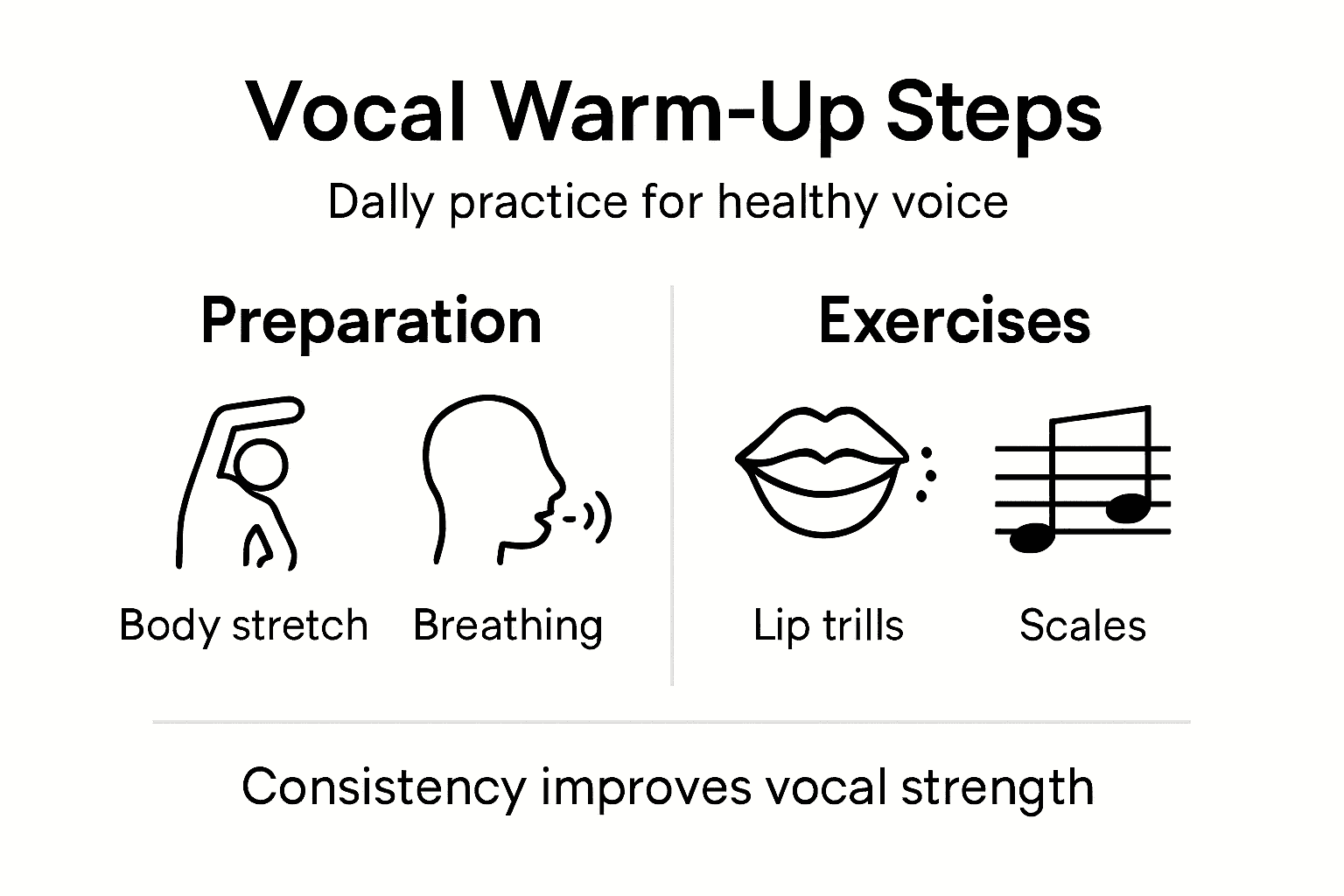
Designing a reliable vocal warm-up routine is essential for professional vocalists seeking to protect and optimize their instrument. A well-structured warm-up prepares your voice for performance by gradually conditioning your vocal muscles and respiratory system, minimizing the risk of strain or injury.
Structured vocal warm-up routines empower singers by building exercises progressively from basic techniques to more complex phonation patterns. Your warm-up should include several strategic components:
Begin with gentle, low-intensity movements that increase blood circulation and release muscle tension. Focus on establishing balanced breath support before introducing more demanding vocal techniques. Professional vocalists understand that rushing or skipping warm-ups can lead to vocal fatigue and potential long-term damage.
A comprehensive warm-up transforms your voice from cold and stiff to flexible and responsive, setting the stage for peak performance.
Consistent practice is key. Dedicate 15-20 minutes daily to your warm-up routine, treating it as a non-negotiable part of your vocal health regimen. Customize the sequence to match your specific vocal range and performance requirements.
Professional tip: Record your warm-up sessions to track progress and identify areas needing additional attention, creating a personalized vocal development strategy.
Protecting your vocal health requires a strategic approach to hydration and nutrition that goes beyond simple water consumption. Professional vocalists understand that what you eat and drink directly impacts your voice’s performance, resilience, and overall quality.
Maintaining hydration and dietary choices is foundational for optimal vocal function. Your nutritional strategy should focus on supporting vocal fold health and minimizing inflammatory responses:
The goal is creating an internal environment that supports smooth, effortless phonation. Systemic hydration keeps vocal fold mucosa slippery, enabling more efficient vibration and reducing friction during voice production. Professional singers recognize that nutritional choices are as critical as vocal technique in maintaining long-term vocal health.
Your diet is not just fuel, but a sophisticated support system for your most important instrument - your voice.
Consistent hydration means drinking water throughout the day, not just during performances. Monitor your body’s responses and adjust your nutritional intake based on how different foods impact your vocal flexibility and comfort.

Professional tip: Keep a detailed food and hydration journal to track how specific dietary choices directly influence your vocal performance and overall voice quality.
Navigating the world of vocal support products requires a strategic approach that prioritizes your voice’s unique needs and long-term health. Professional vocalists understand that not all throat remedies are created equal, and selecting the right natural interventions can make a significant difference in vocal resilience.
Natural vocal care options provide targeted support for singers seeking gentle, effective throat protection. Your selection should focus on products that genuinely nourish and protect vocal tissues:
Careful product selection is crucial. Many commercial throat remedies contain menthol or numbing agents that can actually harm vocal tissues by masking underlying strain or causing dehydration. Professional vocalists prioritize products with natural, soothing ingredients that support vocal fold moisture and reduce inflammation.
The right natural support product can be your voice’s secret weapon, providing relief without compromising its intrinsic strength.
Consult with vocal health professionals to develop a personalized product strategy tailored to your specific vocal demands and performance requirements. Remember that supplements and products are complementary to good vocal technique, not replacements for proper care.
This table compares different types of natural vocal support products and their primary benefits:
| Product Type | Main Ingredient | Key Benefit |
|---|---|---|
| Herbal Remedy | Slippery elm | Soothes throat tissues |
| Throat Lozenge | Glycerin | Maintains vocal moisture |
| Throat Spray | Honey and ginger | Reduces inflammation |
Professional tip: Always test new vocal support products in low-stakes environments to understand their individual impact on your unique vocal mechanism.
Maintaining optimal vocal health requires continuous self-awareness and proactive adaptation. Professional vocalists understand that your voice is a dynamic instrument that changes with age, usage, and environmental factors, demanding consistent monitoring and strategic adjustments.
Age-related vocal changes necessitate heightened attention to subtle shifts in voice quality and performance. Your monitoring strategy should include comprehensive tracking of these key indicators:
Professional singers recognize that early detection of vocal shifts can prevent long-term damage. Pay close attention to signs like reduced vocal range, increased vocal effort, or changes in vocal resonance. These subtle indicators often signal the need for strategic interventions such as modified vocal techniques, increased rest, or specialized voice therapy.
Your voice is a precision instrument - treat its changes as valuable communication, not inconveniences.
Develop a systematic approach to vocal self-assessment, creating a detailed log that tracks your vocal performance, environmental conditions, and physical health. Consistent monitoring transforms passive observation into active vocal preservation.
Here’s a summary of how age and environment impact vocal health management:
| Factor | Typical Impact on Voice | Example Adjustment |
|---|---|---|
| Aging | Lower range, vocal fatigue | More rest, specific warm-ups |
| Noisy Environments | Increased vocal effort | Use amplification, reduce talking |
| Dry Air | Throat dryness | Use humidifiers, increase water intake |
Professional tip: Record a weekly vocal check-in video to objectively track your voice’s evolution and identify potential areas requiring professional intervention.
Struggling with hoarseness or vocal fatigue is frustrating and can threaten your passion and profession. This guide highlights how daily vocal care, warm-ups, hydration, and monitoring changes are essential steps to lasting vocal health. But it also reveals a critical truth: using the right natural remedies and targeted enhancements can transform how you protect and strengthen your voice.
Discover expert-backed products designed especially for professional vocalists and voice users at Singer Enhancements - TMRG Solutions.

Take control of your vocal health now by exploring a wide selection of carefully developed natural sprays, oils, and nutritional guides at All Products - TMRG Solutions. With over 25 years of expertise supporting voices worldwide, you can trust TMRG Solutions to help you maintain a clear, strong voice for years to come. Start your journey today and experience the confidence of protected vocal power.
To prevent a hoarse voice, regularly assess your vocal usage patterns, hydration, and speaking environments. Track your vocal interactions for a week, noting interactions that cause strain, and adjust your habits accordingly to maintain clarity.
An effective vocal warm-up routine should include body preparation, controlled breathing exercises, vocal flexibility drills, and articulation work. Dedicate at least 15-20 minutes each day to gradually conditioning your vocal muscles before singing or speaking.
Incorporate anti-inflammatory foods like ginger and honey into your diet, and drink 8-10 glasses of room temperature water daily to maintain optimal hydration. Monitor how different foods affect your voice and adjust your diet accordingly to support vocal performance.
To identify vocal strain triggers, keep a voice journal that records your speaking duration, environments, and any sensations of discomfort. Analyze your notes to find patterns that contribute to vocal fatigue, and adjust your activities or environments accordingly.
Consider using natural vocal support products when you experience throat discomfort or strain, but choose those with soothing ingredients like slippery elm or honey. Start with small amounts to see how they affect your vocal health, adjusting based on your needs and preferences.
Monitor changes in your voice by recording a weekly vocal check-in, noting any shifts in quality or comfort. Create a detailed log to track your performance, environmental factors, and any physical sensations, helping you proactively adjust your strategies for better vocal health.
