Your Cart is Empty


More than 60 percent of professional singers experience vocal hoarseness at some point in their careers. Whether you perform on American stages or travel the world, persistent vocal strain can undermine your confidence and limit your artistry. Effective vocal recovery starts with understanding the root causes and choosing holistic solutions that support both healing and performance. This guide reveals practical strategies and natural remedies for restoring your voice, tailored for singers facing demanding schedules and global audiences.
| Main Insight | Explanation |
|---|---|
| 1. Assess vocal strain through self-evaluation | Begin your recovery by identifying strain signs and documenting performance patterns for targeted recovery strategies. |
| 2. Prioritize vocal rest and hydration | Implement complete vocal rest and maintain hydration to support healing and prevent further strain on vocal cords. |
| 3. Use natural remedies for hoarseness | Incorporate herbal teas and warm salt water gargles to soothe inflammation and enhance vocal recovery effectively. |
| 4. Practice gentle warm-ups progressively | Engage in structured vocal exercises that gradually increase in intensity to rebuild strength while minimizing strain. |
| 5. Monitor and adjust your vocal progress | Keep a detailed recovery journal to track improvements and make informed changes to your rehabilitation techniques. |
Precise vocal strain assessment is crucial for performers experiencing hoarseness. When analyzing your vocal health, you will systematically evaluate the extent of your vocal fatigue and develop targeted recovery strategies that restore your performance capabilities.
Begin by conducting a comprehensive self assessment focused on identifying potential strain contributors. Professional voice health guidelines recommend examining recent vocal performance patterns including total performance hours, environmental conditions, rehearsal intensity, and any significant changes in vocal technique. Track specific symptoms like persistent throat discomfort, reduced vocal range, unusual vocal breaks, or increased vocal effort during performance. Document these observations meticulously to establish a clear baseline for your recovery journey.
Your recovery goals should be specific, measurable, and progressive. Break down your vocal rehabilitation into realistic milestones addressing range, endurance, and tone quality. Start with gentle vocal exercises that gradually rebuild strength without causing additional strain. Consider consulting a vocal health specialist who can provide personalized guidance tailored to your specific performance requirements and medical history.
Here’s a summary of common causes of vocal strain and effective recovery strategies:
| Contributor to Strain | Recovery Strategy | Expected Benefit |
|---|---|---|
| Long performance hours | Scheduled vocal rest breaks | Reduces fatigue accumulation |
| Dry or smoky environments | Use humidifier and avoid irritants | Maintains vocal fold moisture |
| High rehearsal intensity | Gentle warm-up/cool-down routines | Prevents acute vocal injury |
| Poor vocal technique | Consult with vocal coach | Improves endurance and tone |
| Insufficient hydration | Monitor and increase water intake | Supports tissue healing |
Pro tip: Create a detailed recovery journal documenting your vocal symptoms, exercise routines, and daily vocal performance to track your progress systematically and identify patterns of improvement.
Recovering performers need a strategic approach to vocal rest and hydration that allows comprehensive healing and prevents further vocal strain. The goal is to create an environment where your vocal cords can regenerate and regain strength without additional stress.

Vocal health experts recommend implementing complete vocal rest during the initial recovery phase, which means minimizing speaking and eliminating unnecessary vocal production. This does not mean total silence but rather strategic communication through alternative methods like texting, writing, or using minimal whispers when absolutely necessary. Focus on creating a supportive environment that allows your vocal mechanism to heal by reducing environmental irritants such as smoke, dust, and excessive air conditioning.
Hydration plays a critical role in vocal recovery. Drink room temperature water consistently throughout the day to maintain optimal mucosal hydration. Avoid caffeine and alcohol, which can dehydrate vocal tissues. Consider using a humidifier in your living and performance spaces to maintain moisture levels that support vocal cord healing. Your fluid intake should be consistent and deliberate, aiming for clear or very pale yellow urine as an indicator of proper hydration.
Pro tip: Keep a dedicated water bottle marked with hourly hydration goals to ensure you maintain consistent fluid intake during your vocal recovery process.
Soothing hoarseness requires a strategic approach using natural remedies that can reduce inflammation and support vocal cord healing. Your goal is to implement gentle interventions that provide relief without causing additional stress to your already compromised vocal mechanism.
Herbal solutions offer powerful anti inflammatory properties that can help performers recover vocal function, with specific herbs like ginger and licorice root proving particularly effective. Prepare herbal teas using these ingredients at room temperature to minimize throat irritation. Create a soothing gargle by mixing warm salt water which helps reduce swelling and eliminate bacteria. Consider natural lozenges containing honey and slippery elm bark to provide protective coating and moisture to irritated vocal tissues.
Support your vocal recovery by creating a healing environment through strategic natural interventions. Inhale steam with a few drops of eucalyptus essential oil to open airways and reduce mucus congestion. Implement gentle throat massage techniques using warmed olive or coconut oil to improve circulation and reduce tension in surrounding muscles. Prioritize consuming anti inflammatory foods like turmeric, berries, and omega rich fish to support internal healing processes.
Pro tip: Prepare a dedicated recovery kit with herbal teas, salt for gargling, natural lozenges, and essential oils to have immediate soothing remedies within reach during your vocal healing journey.
Compare the effectiveness of popular natural remedies for soothing hoarseness:
| Remedy | Main Active Agent | Primary Benefit | Best Application Method |
|---|---|---|---|
| Ginger tea | Gingerol compounds | Reduces inflammation | Brewed and consumed warm |
| Licorice root tea | Glycyrrhizin | Soothes throat tissue | Brewed and sipped slowly |
| Warm salt water gargle | Sodium chloride | Decreases swelling, kills germs | Gargle for 30 seconds |
| Honey lozenges | Natural honey | Moisturizes and coats throat | Slowly dissolved in mouth |
| Steam with eucalyptus | Eucalyptus oil | Loosens mucus, eases airflow | Inhaled gently |
Regaining vocal strength after hoarseness requires a methodical and compassionate approach to vocal rehabilitation. Your primary goal is to gradually restore vocal function through carefully designed exercises that minimize additional strain and promote healing.
Specialized vocal warm-up techniques help performers safely rebuild vocal resilience and flexibility by introducing progressive movements that reduce tension and improve muscle coordination. Begin with fundamental breathing exercises focusing on diaphragmatic support, which establishes a stable foundation for vocal recovery. Practice Semi-Occluded Vocal Tract Exercises like lip trills and straw phonation that gently engage your vocal mechanism without creating excessive friction or pressure. These techniques allow your vocal folds to vibrate with minimal collision, supporting natural healing while maintaining muscle memory.
Structure your vocal rehabilitation routine with incremental intensity. Start with soft humming exercises that create minimal vocal cord tension, gradually expanding to gentle scales and controlled vowel sounds. Pay close attention to your body signals and stop immediately if you experience pain or significant discomfort. Incorporate short five to ten minute sessions multiple times throughout the day rather than attempting prolonged practice periods. This approach prevents vocal fatigue and supports consistent muscle conditioning during your recovery process.
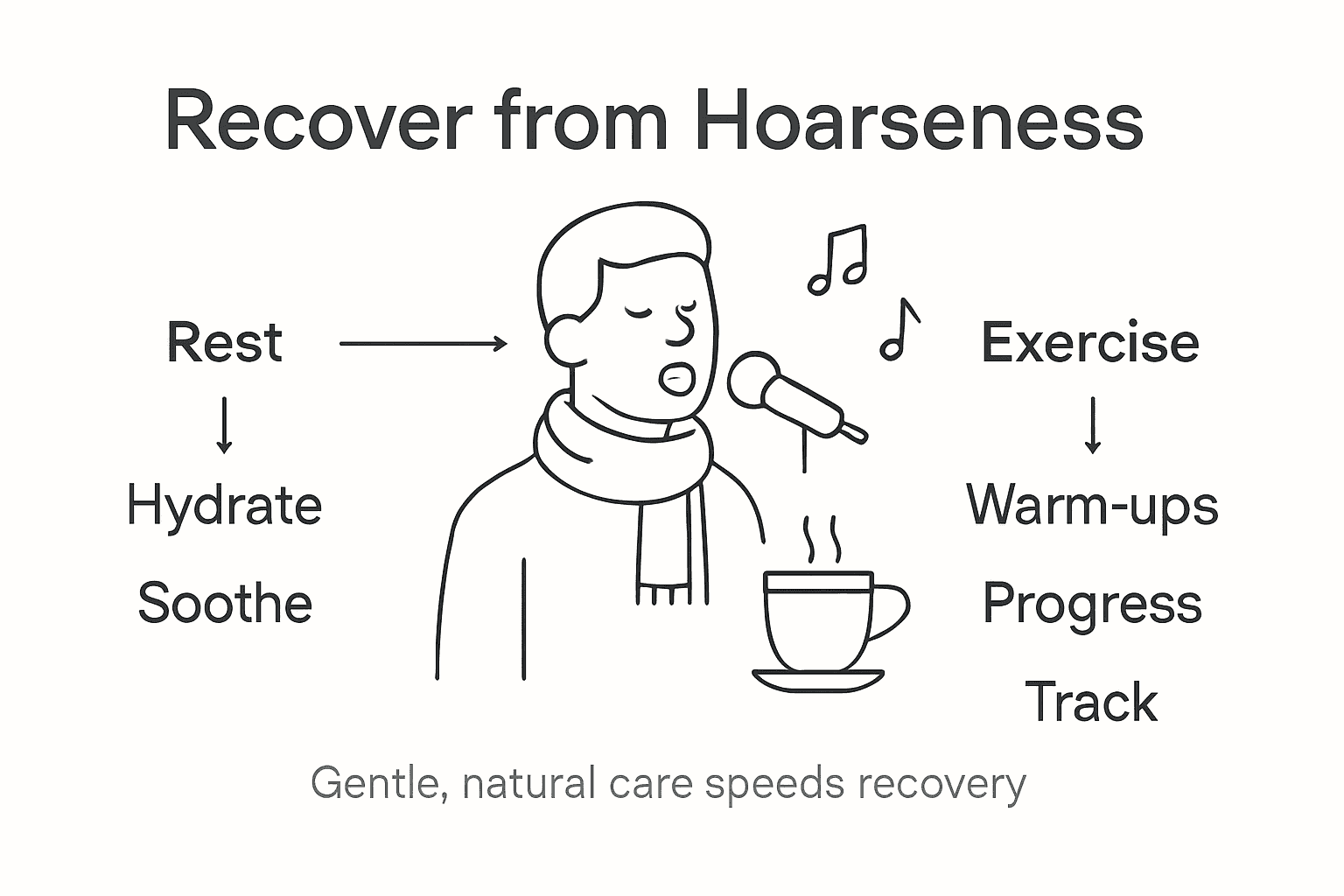
Pro tip: Record your warm-up sessions to track your vocal progress and maintain a consistent rehabilitation journal documenting your exercises, duration, and any physical sensations.
Tracking your vocal recovery requires systematic observation and strategic adaptation to ensure consistent progress and prevent potential setbacks. Your approach should focus on creating a comprehensive method for evaluating vocal performance and making informed adjustments throughout your healing process.
Professional guidelines recommend documenting voice quality changes systematically to guide treatment effectiveness%20(Update).pdf) through objective and subjective measurements. Develop a detailed tracking system that includes daily voice notes recording your vocal range, endurance, tone quality, and any sensations of strain or discomfort. Use a numerical scale from one to ten to quantify your vocal effort and recovery progress, allowing you to objectively measure improvements and identify potential areas requiring modification in your rehabilitation strategy.
Implement a structured review process by establishing weekly checkpoints to assess your vocal recovery trajectory. During these self evaluations, compare your current vocal performance against baseline measurements taken at the beginning of your recovery journey. Look for incremental improvements in areas such as vocal range, sustained phonation time, and reduced vocal fatigue. If you notice persistent challenges or lack of progress beyond four weeks, consider consulting a voice specialist who can provide professional guidance and potentially recommend advanced therapeutic interventions.
Pro tip: Create a digital or physical voice recovery journal with color coded tracking to visualize your progress and quickly identify patterns in your vocal rehabilitation.
Struggling with hoarseness and vocal strain can hold you back from your best performance. The article highlights key challenges like vocal fatigue, inflammation, and the need for gentle rehabilitation. If you want to accelerate your healing and protect your voice with proven natural remedies and expert-backed products, there is a reliable way forward. Building a vocal recovery routine that includes hydration, soothing herbal treatments, and safe vocal care is essential for performers dedicated to sustaining their vocal health.

Explore our range of tailored Singer Enhancements designed specifically for performers needing gentle yet effective vocal support. Whether you face persistent hoarseness or want to prevent future strain, our natural herbal formulations, sprays, and treatment kits can help renew your vocal strength and tone. Visit TMRG Solutions now to discover all our products and make your voice resilience a priority. Start your journey to a clear, powerful voice today with expert-approved solutions you can trust.
Start by conducting a self-assessment to evaluate the extent of your vocal fatigue. Track performance patterns, environmental conditions, and symptoms like throat discomfort or vocal range changes to establish a clear baseline for your recovery journey.
Natural remedies like ginger and licorice root teas can help reduce inflammation and soothe your throat. Prepare herbal teas at room temperature and consider using warm salt water gargles to decrease swelling and kill bacteria in your throat.
Prioritize complete vocal rest by minimizing speaking and using alternative communication methods, like texting or writing. This allows your vocal cords to regenerate without additional strain, especially in the initial phase of your recovery.
Begin with soft humming and basic breathing exercises focusing on diaphragmatic support. Gradually incorporate Semi-Occluded Vocal Tract Exercises, such as lip trills, to rebuild strength without causing strain, aiming for sessions of 5 to 10 minutes multiple times a day.
Document voice quality changes daily in a recovery journal by recording your vocal range, endurance, and any sensations of strain. Use a numerical scale from one to ten to rate your vocal effort and establish weekly check-ins to compare improvements against your baseline measurements.
