Your Cart is Empty


Struggling through a scene with a scratchy or unsteady voice quickly reminds any professional actor just how vital a dependable voice really is. Hoarseness can be more than a nuisance—it signals deeper issues in the delicate system that brings your characters to life. Whether you perform in London, New York, or Tokyo, understanding the true nature of hoarseness and breaking through misleading myths can guide you toward safe, natural strategies for enduring vocal health.
| Point | Details |
|---|---|
| Understanding Hoarseness | Hoarseness is a symptom, not a standalone condition, indicating potential vocal issues that require professional understanding. |
| Types and Causes | Different types of hoarseness, such as inflammatory and structural, result from various factors impacting an actor’s vocal health. |
| Impact on Performance | Hoarseness negatively affects emotional expressiveness, vocal range, and audience perception, making vocal health essential for actors. |
| Prevention Strategies | Hydration, environmental management, and regular vocal assessments are crucial for preventing hoarseness and maintaining vocal health. |
Hoarseness represents a complex vocal phenomenon that dramatically impacts an actor’s performance capabilities. Medically termed dysphonia, this vocal condition involves significant changes in voice quality that can transform an actor’s communicative potential.
At its core, hoarseness manifests as a perceptible alteration in vocal tone, characterized by breathy, raspy, or harsh vocal qualities. Unlike popular misconceptions, hoarseness is not a standalone disease but a critical symptom indicating potential underlying vocal challenges. Professional actors must understand that these vocal changes represent more than mere artistic choices - they signal potential physiological disruptions within the voice production system.
Several persistent myths surrounding hoarseness can mislead performers about its true nature:
Scientific research demonstrates that hoarseness often stems from complex interactions between inflammation, muscular tension, and potential neurological factors. These aren’t simple performance glitches but intricate physiological responses requiring professional understanding and careful management.
Vocal Fold Mechanics Matter
The human voice emerges through precise interactions between lungs, vocal folds, and resonance chambers. When vocal folds become inflamed or damaged, the resulting sound can appear distinctly different from an actor’s typical vocal range. Understanding these biomechanical nuances helps performers recognize hoarseness as a potential warning signal rather than a deliberate stylistic choice.
Pro tip: Always consult a vocal health professional when experiencing persistent hoarseness to prevent long-term vocal damage and understand your specific vocal challenges.
Hoarseness in actors is a complex vocal phenomenon with multiple underlying causes that can dramatically impact performance capabilities. Disturbances in vocal fold vibration represent a critical mechanism through which vocal challenges emerge, affecting an actor’s communicative potential.
Professional performers face several significant types of hoarseness, each with distinct origins and potential consequences:
Vocal Abuse and Performance Risks
Actors are particularly vulnerable to hoarseness due to the intense vocal demands of their profession. Chronic vocal misuse and environmental factors can lead to significant vocal cord inflammation and structural modifications. These risks are amplified by behaviors such as prolonged shouting, intense emotional performances, and environmental stressors like smoking or persistent acid reflux.
Underlying Pathological Factors
Beyond performance-related causes, hoarseness can result from more complex medical conditions. Neurological disorders, autoimmune diseases, and even potential malignancies can manifest as changes in vocal quality. Professional actors must remain vigilant about persistent vocal changes, understanding that hoarseness is often a symptom signaling deeper physiological challenges.
Here’s a summary of major hoarseness types and their typical actor impact:
| Hoarseness Type | Main Cause | Typical Impact on Actors | Management Strategy |
|---|---|---|---|
| Inflammatory | Infection or laryngitis | Sudden voice changes, discomfort | Rest and hydration |
| Structural | Nodules or polyps | Persistent vocal weakness | Medical intervention |
| Functional | Poor technique/overuse | Gradual fatigue and strain | Coaching and training |
| Neurogenic | Nerve problems | Unpredictable vocal loss | Neurological treatment |
Pro tip: Schedule regular vocal health assessments with a professional laryngologist to catch and address potential vocal issues before they become chronic performance limitations.
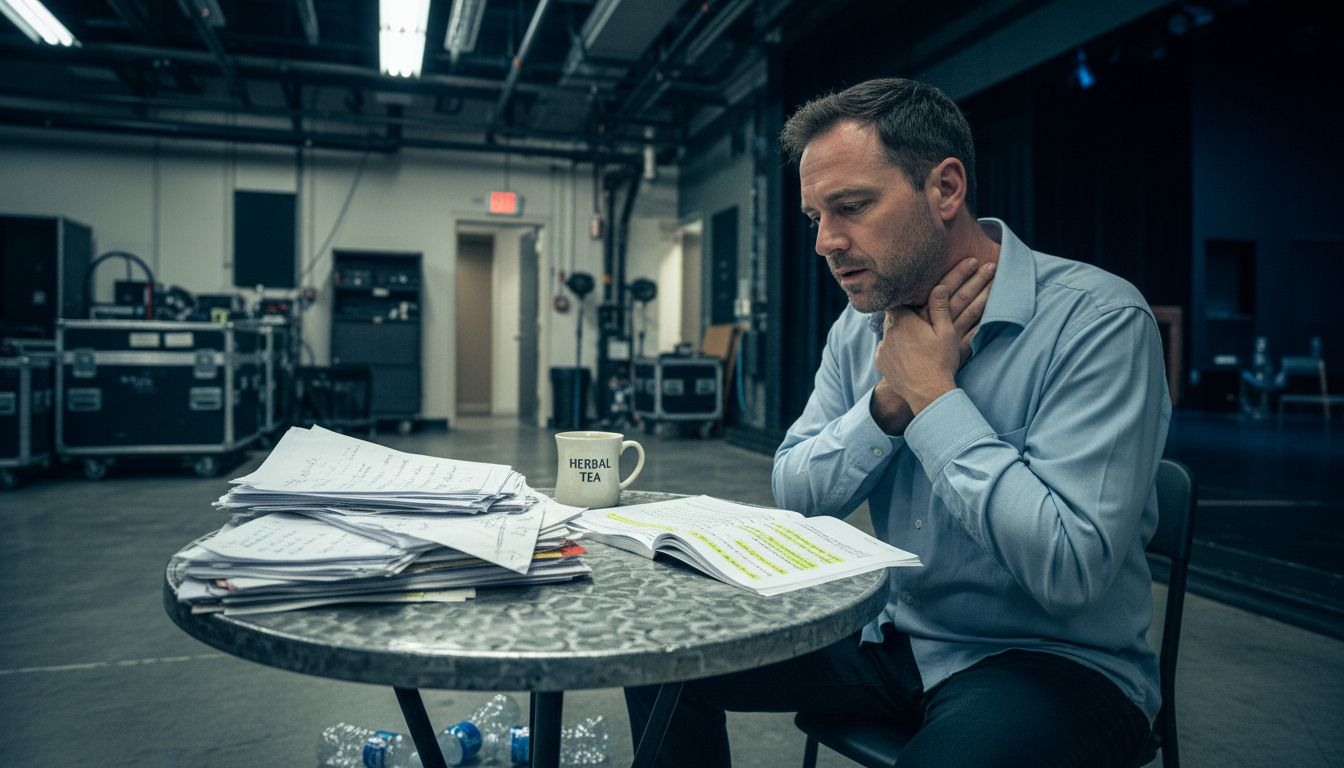
Vocal performance challenges represent a critical concern for actors experiencing hoarseness, fundamentally disrupting their ability to communicate effectively on stage and screen. Hoarseness transforms an actor’s most essential instrument - their voice - from a precise tool of emotional expression into an unpredictable and potentially limiting mechanism.
The multifaceted impact of hoarseness on acting performance can be understood through several key dimensions:
Psychological and Professional Implications
Research indicates that hoarseness significantly increases listener effort and can create substantial psychological stress for performers. The additional vocal strain not only compromises communication but also potentially undermines an actor’s confidence, creating a complex feedback loop of performance anxiety and vocal tension.
Technical Performance Consequences
Beyond emotional expression, hoarseness directly impacts an actor’s technical performance capabilities. Memorization, delivery, and the subtle vocal nuances that distinguish exceptional acting become increasingly challenging. Professional actors must recognize that vocal health represents a critical component of their craft, requiring consistent attention and proactive management.
Pro tip: Develop a comprehensive vocal warm-up routine and incorporate regular vocal rest periods to minimize the risk of performance-limiting hoarseness.
Professional voice disorders emerge from a complex interaction of individual, environmental, and professional challenges that can significantly impact vocal health. Voice professionals face a unique set of occupational risks that require strategic awareness and proactive management.
The most critical risk factors for voice professionals include:
Individual Physiological Factors:
Professional Environment Risks:
Environmental and Behavioral Influences
Meta-analysis of professional voice users reveals multiple interconnected risk factors that can compromise vocal health. Common challenges include excessive caffeine consumption, speaking at consistently high volumes, managing high workload stress, and exposure to environmental noise. These factors create a cumulative strain that progressively weakens vocal resilience.
Psychological and Physical Stress Dynamics
Vocal professionals frequently experience symptoms such as dry throat, persistent throat clearing, vocal fatigue, and intermittent hoarseness. These indicators represent early warning signs of potential vocal dysfunction, highlighting the importance of comprehensive vocal health strategies that address both physical and psychological dimensions of performance.
The following table contrasts common risk factors for voice professionals and their effects:
| Risk Factor | Direct Impact | Long-Term Consequence | Prevention Method |
|---|---|---|---|
| High vocal load | Fatigue | Chronic hoarseness | Scheduled vocal rest |
| Poor acoustic environment | Strain | Voice deterioration | Use amplification devices |
| Environmental irritants | Inflammation | Reduced vocal resilience | Minimize exposure |
| Psychological stress | Tension | Vocal dysfunction | Stress management routines |
Pro tip: Implement a daily vocal hygiene routine that includes hydration, strategic vocal warm-ups, and scheduled rest periods to mitigate professional voice risks.
Vocal hygiene strategies represent a critical approach for actors seeking to prevent and naturally recover from hoarseness. Professional voice users must develop a comprehensive understanding of proactive vocal health management to sustain their performance capabilities.
Key prevention and recovery strategies include:
Hydration Techniques:
Environmental Management:
Natural Recovery Protocols
Voice disorder prevention methods emphasize the importance of strategic vocal rest and conscious behavioral modifications. Actors must learn to recognize early warning signs of vocal strain and implement immediate interventions to prevent long-term damage.
Holistic Vocal Health Approach
Effective vocal recovery extends beyond immediate treatments, requiring a multifaceted approach that integrates physical, nutritional, and psychological strategies. This comprehensive method involves understanding individual vocal mechanics, managing stress, and developing adaptive performance techniques that minimize unnecessary vocal strain.
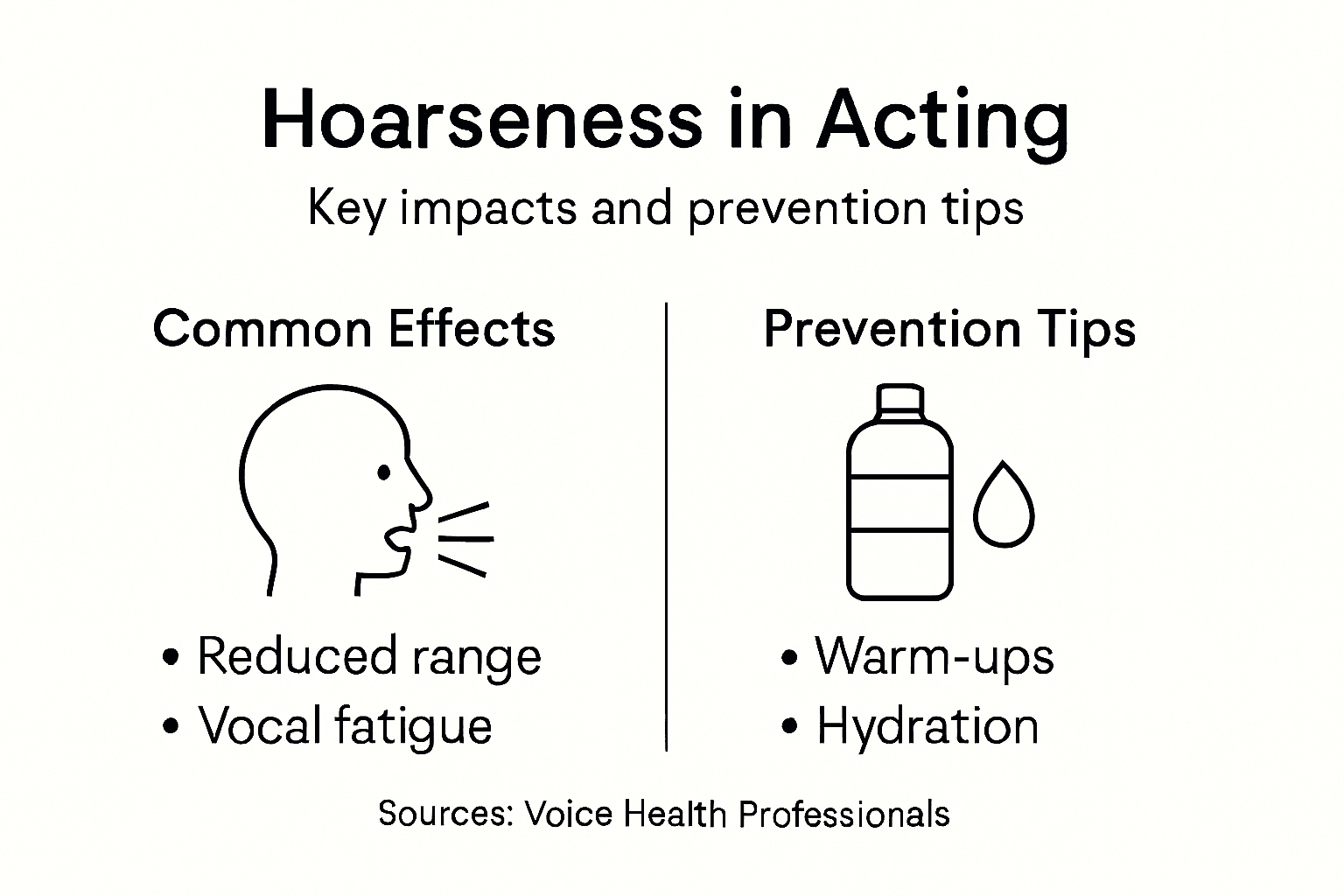
Pro tip: Develop a personalized vocal warm-up routine that includes gentle stretching, hydration, and controlled breathing exercises to prepare and protect your voice before performances.
Hoarseness can disrupt an actor’s ability to deliver powerful performances by limiting vocal range and expressiveness. If you struggle with vocal fatigue, persistent hoarseness, or structural changes like nodules, it is essential to take proactive steps to safeguard your most valuable tool. At TMRG Solutions, we specialize in natural remedies and dedicated products designed for voice professionals to support healthy vocal folds and promote recovery from common issues that impact performers.

Explore our collection of Singer Enhancements to find targeted sprays, oils, and therapy kits that soothe inflammation and improve vocal resilience. If structural problems such as vocal cord nodules affect your voice, our nodules collection offers specialized solutions trusted by vocal coaches and medical professionals alike. Visit TMRG Solutions now to invest in your vocal health and maintain the strength and clarity your acting career demands. Acting with a healthy voice starts with the right care.
Hoarseness in actors can be caused by various factors including inflammation from laryngitis, structural issues like nodules and polyps, improper vocal technique, and neurogenic issues related to nerve function.
Hoarseness can limit an actor’s vocal range, reduce emotional expressiveness, create audience perception issues, and increase vocal fatigue, thus impairing their overall performance quality.
Prevention strategies include staying hydrated, minimizing vocal strain, using amplification when necessary, and developing a vocal warm-up routine to protect the voice before performances.
Actors should consult a vocal health professional when experiencing persistent hoarseness or any vocal changes that last longer than a few days to prevent long-term vocal damage.
