Your Cart is Empty


Most acute laryngitis is caused by viral upper respiratory infections, with bacteria responsible in a smaller number of cases and fungi only rarely. The three pathogen classes to know:
Red flags — seek urgent care immediately: stridor (a high-pitched sound when breathing in), severe difficulty breathing or swallowing, drooling, rapidly worsening throat pain, or high persistent fever. These signs may indicate epiglottitis or significant airway compromise, not simple laryngitis.
Most acute laryngitis is caused by respiratory viruses and resolves with supportive care; antibiotics are rarely indicated, and hoarseness persisting beyond two to three weeks requires laryngoscopy.

| Point | Details |
|---|---|
| Viruses dominate | Parainfluenza (~21%) and rhinovirus (~15%) are the most frequently identified viral causes in published cohorts. |
| Bacteria are uncommon | Group A Strep is the most clinically relevant bacterial cause; empiric antibiotics for isolated hoarseness are not evidence-based. |
| Fungi need risk factors | Candida laryngitis occurs mainly with inhaled steroid use or immunosuppression; inhaler rinse technique prevents most cases. |
| Two-to-three-week rule | Hoarseness lasting beyond two to three weeks warrants ENT referral and laryngoscopy to exclude serious pathology. |
| Tmrgsolutions for recovery | TMRG drops, sprays, and voice therapy kits support symptomatic vocal recovery as adjuncts to medical care for voice professionals. |
Published clinical reviews identify respiratory viruses as the dominant cause of acute laryngitis. Parainfluenza virus leads in some cohorts at about one-fifth, rhinovirus follows as a significant cause, while influenza and adenovirus are less common triggers in certain series. Coronavirus strains, RSV, and human metapneumovirus fill out the remainder, with SARS-CoV-2 now recognized as an additional viral trigger.
| Virus | Approximate frequency | Typical age group | Seasonality |
|---|---|---|---|
| Parainfluenza | common viral cause | Young children (croup), adults | Fall, early winter |
| Rhinovirus | common viral cause | All ages | Year-round, fall peak |
| Influenza A/B | less common viral cause | All ages | Winter |
| Adenovirus | less common viral cause | Children, young adults | Year-round |
| Coronavirus (seasonal + SARS-CoV-2) | Variable | All ages | Winter, variable |
| RSV | Variable | Young children, elderly | Fall–winter |
| Human metapneumovirus | Variable | Young adults, elderly | Late winter–spring |
Age matters more than most people realize. Parainfluenza virus is the classic cause of croup in children under five, producing the characteristic barking cough alongside hoarseness. Human metapneumovirus tends to cause hoarseness at higher rates in younger adults compared with RSV in similar age groups. Influenza peaks sharply in winter, while rhinovirus circulates year-round with a noticeable fall surge. The Cleveland Clinic lists adenovirus, rhinovirus, influenza, parainfluenza, and RSV as the viruses most frequently implicated in laryngeal inflammation.
Herpesviruses, including HSV, VZV, and CMV, occasionally cause laryngitis with vesicular or ulcerative lesions on the vocal folds, which helps distinguish them from the bland redness of a typical viral upper respiratory infection. Measles and enteroviruses are less common but documented viral causes.
Primary bacterial laryngitis is uncommon. Bacteria more often cause a secondary superinfection layered on top of an initial viral illness than a primary laryngeal infection on their own. The BMJ clinical review is clear: most acute laryngitis is viral and self-limited, and antibiotics are reserved for cases with strong evidence of bacterial involvement.
The bacteria most associated with laryngeal infection include:
Two historical causes deserve mention. Corynebacterium diphtheriae once caused a distinctive membranous laryngitis with a grayish pseudomembrane and a high risk of airway obstruction. Diphtheria is now rare in the United States due to vaccination, but clinicians should consider it in unvaccinated individuals or recent travelers. Laryngeal tuberculosis, caused by Mycobacterium tuberculosis, presents chronically and is more common in immunocompromised patients or those from high-prevalence regions. Both are documented in specialist laryngeal infection reviews.
Pro Tip: If a patient has concurrent streptococcal pharyngitis confirmed by rapid strep test or culture, the probability that laryngeal symptoms are also bacterial rises meaningfully. In that context, treating the streptococcal infection with appropriate antibiotics addresses both sites. Isolated hoarseness without systemic bacterial signs rarely warrants empiric antibiotics.
Fungal laryngitis is uncommon and almost always occurs in people with a specific predisposing condition. Candida species are the typical fungal cause, presenting with mucosal plaques, chronic hoarseness, or a failure to improve with standard symptomatic care.
Risk factors that should raise suspicion:
Rare environmental fungi, including Coccidioides immitis, Cryptococcus neoformans, Sporothrix schenckii, Histoplasma capsulatum, and Blastomyces dermatitidis, have been reported in case series, usually in the setting of disseminated systemic disease or significant immunocompromise. A critical clinical point: fungal laryngeal lesions can mimic laryngeal carcinoma on laryngoscopy. When an indolent, irregular lesion is found, biopsy and histopathology are necessary before any diagnosis is made.
The diagnosis of acute laryngitis is clinical in most cases. A history of recent upper respiratory infection, gradual onset of hoarseness, low-grade fever, and accompanying cough or rhinorrhea points strongly toward a viral cause. Testing is reserved for atypical, severe, chronic, or high-risk presentations.
Red flags requiring urgent evaluation:
The PMC review on epiglottitis and croup stresses that epiglottitis, typically bacterial, can be life-threatening and must be distinguished from viral laryngitis. Hib vaccination has sharply reduced childhood epiglottitis in the United States, but unvaccinated individuals and adults remain at risk.
| Cause | Typical onset | Fever | Cough/rhinorrhea | Key clue |
|---|---|---|---|---|
| Viral URI | Gradual | Low-grade | Yes | Recent cold symptoms |
| Bacterial | Acute | High | Variable | Exudate, concurrent bacterial infection |
| Fungal | Subacute/chronic | Rare | No | Plaques, immunosuppression |
| GERD/reflux | Chronic | No | Morning cough | Worse after meals, no URI history |
| Vocal overuse | After heavy use | No | No | Clears with rest |
When testing changes management, it is worth ordering. A rapid strep test or throat culture is appropriate when streptococcal infection is suspected. PCR panels for respiratory viruses help in hospitalized or immunocompromised patients. Fungal biopsy or targeted fungal testing is indicated for chronic lesions or when the patient is immunocompromised. ENT referral and laryngoscopy are indicated when hoarseness persists beyond two to three weeks, when a lesion is visualized, or when the clinical picture is atypical. For guidance on acid reflux as a noninfectious cause of chronic laryngitis, that differential is worth exploring separately.
Most acute infectious laryngitis resolves on its own. Supportive care is the standard approach:
Antibiotics are appropriate only when there is clear clinical or laboratory evidence of bacterial infection, signs of secondary bacterial superinfection, or a diagnosis of epiglottitis requiring urgent intervention. Routine empiric antibiotics for isolated hoarseness are not supported by evidence. For a detailed look at when antibiotics are and are not appropriate for voice problems, that resource covers the tradeoffs clearly.
Antifungals, typically fluconazole for Candida or targeted agents for endemic fungi, are warranted when fungal disease is confirmed by biopsy or culture, or when an immunocompromised patient fails conservative therapy. ENT referral should accompany antifungal treatment in most cases.
Seek care promptly if hoarseness persists beyond two to three weeks, if breathing or swallowing worsens, or if systemic signs of infection develop.
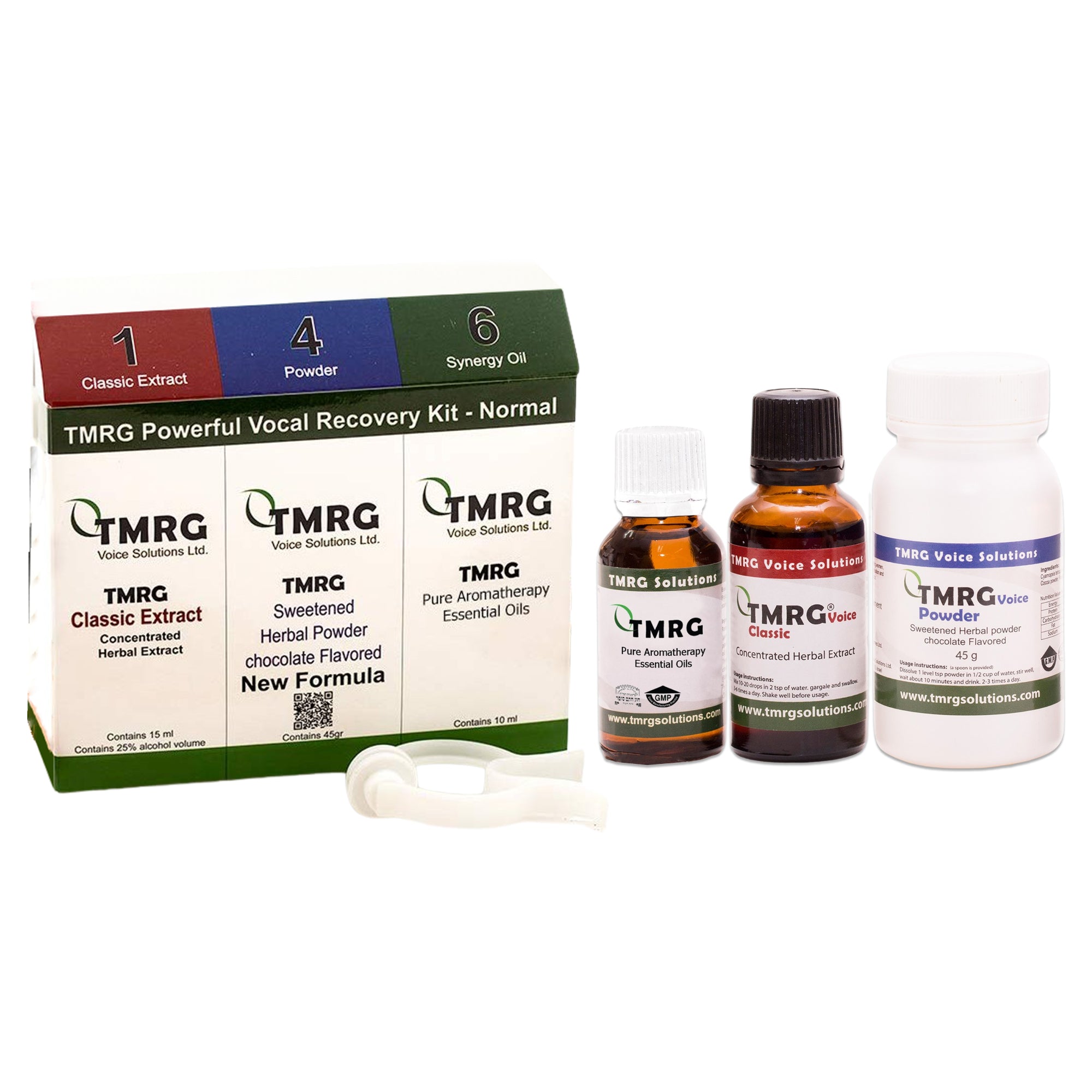
Singers, actors, and lecturers face a higher functional cost from even mild laryngeal inflammation. A vocal fold that is swollen by even a fraction of a millimeter produces audible changes in pitch, resonance, and stamina. For this reason, voice professionals should seek ENT or laryngologist evaluation sooner than the general public, ideally when hoarseness persists beyond two weeks rather than waiting the full three.
Practical steps for performers dealing with laryngeal infection:
Tmrgsolutions, with 25+ years in vocal health, offers adjunctive products designed for symptomatic vocal recovery. TMRG Loud & Clear Voice Recovery Drops and the TMRG Shine Bright Voice Recovery Spray are formulated to soothe irritated laryngeal mucosa during recovery. The TMRG Defense Oils and Saline Throat Spray provides protective moisture for performers returning to active voice use. For structured rehabilitation, the TMRG Voice Therapy Kits offer a complete recovery pathway. These products work alongside, not instead of, medical evaluation and treatment. For a broader overview of managing vocal fold ailments, the TMRG resource library covers recovery in depth.
Most articles about laryngitis focus on what it is. Few focus on what it tells you about your body’s current state, and that distinction shapes how you respond.
The reflex to reach for antibiotics when your voice disappears is understandable but almost always wrong. Viruses cause the overwhelming majority of acute laryngitis cases, and no antibiotic touches a virus. What antibiotics do, when used unnecessarily, is disrupt the mucosal flora that protects your larynx, potentially creating the exact conditions that allow Candida to take hold. The irony is real: antibiotic overuse for presumed bacterial laryngitis can produce fungal laryngitis as a downstream consequence.
The second thing most guides understate is the significance of duration. Hoarseness lasting more than two to three weeks is not “still recovering from a cold.” It is a signal that demands laryngoscopy. Laryngeal carcinoma, fungal disease, and vocal fold lesions all present with persistent hoarseness, and they are routinely delayed in diagnosis because patients and clinicians alike wait too long. If your voice has not returned to baseline in three weeks, get a scope.
For voice professionals, the calculus is even sharper. Your vocal folds are your instrument. Performing through active laryngeal inflammation risks hemorrhage, nodule formation, and scar tissue that no amount of therapy fully reverses. Rest is not weakness. It is the most technically sound decision you can make.
When laryngeal infection leaves your voice thin, rough, or simply gone, the recovery window matters. Tmrgsolutions offers a focused line of natural vocal health products built specifically for singers, actors, and speakers who need their voice back, not just eventually, but reliably.

The TMRG Singer’s Super Power supplement and the full range of TMRG drops, sprays, and therapy kits are designed to support laryngeal mucosa during and after infectious episodes. Whether you need immediate soothing relief or a structured rehabilitation program, Tmrgsolutions has a product pathway matched to your recovery stage. Visit the TMRG vocal health store to find the right product for your voice, and start your recovery with tools built by specialists who understand what your voice demands.
Infectious laryngitis typically follows a recent cold or flu, with gradual onset of hoarseness, low-grade fever, cough, or nasal congestion. Hoarseness that appears without any preceding respiratory illness, or that persists beyond two to three weeks, is more likely noninfectious and needs further evaluation.
Rarely. Most acute laryngitis is viral, and antibiotics have no effect on viruses. Antibiotics are appropriate only when there is confirmed or strongly suspected bacterial infection, such as concurrent streptococcal pharyngitis or signs of secondary bacterial superinfection.
GERD-related laryngitis, vocal overuse, inhaled steroid side effects, and, less commonly, laryngeal carcinoma can all produce hoarseness that resembles infectious laryngitis. Persistent hoarseness without a preceding respiratory infection should prompt laryngoscopy rather than repeated courses of symptomatic treatment.
This article provides general health information and is not a substitute for professional medical advice. Confirm current clinical guidance with a qualified healthcare provider or ENT specialist.
