Your Cart is Empty


TL;DR:
- A sore throat can stop you in your tracks. Whether it’s from a cold, dry air, or overuse — these fast-acting, safe steps will help soothe the pain and get you feeling better within hours.
The three fastest steps you can take right now: gargle with salt water (1/4 to 1/2 teaspoon of salt dissolved in 4–8 ounces of warm water), sip warm broth or tea at a comfortable temperature, and take a spoonful of honey if you or your child is over 1 year old. These aren’t folk remedies — they’re the first-line self-care steps recommended by the CDC and Mayo Clinic.
For instant numbing, popsicles, ice chips, or medicated lozenges work well. Keep lozenges away from children under 4 due to choking risk, and never give aspirin to anyone under 18.
Most viral sore throats improve on their own within about one week. If you have trouble breathing or swallowing, seek care immediately.
Quick-relief options: lozenges, sprays, popsicles, and ice chips
How to reduce spreading infection and protect your environment
Rest, fluids, and a few targeted comfort measures consistently appear across major medical sources as the most reliable first-line approach. Here is what actually helps and why:
Warm liquids: Herbal tea, warm broth, or warm water with honey loosens mucus and coats irritated tissue. Keep the temperature warm, not scalding. Extremely hot fluids can scald inflamed throat tissue and worsen irritation.
Cold treats: Popsicles, ice chips, and cold water can numb burning pain quickly. Cold is often better for intense, burning soreness; warm is better for scratchy, dry discomfort.
Honey: One teaspoon coats the throat and eases coughing. Safe for anyone over 1 year old. Never give honey to infants under 12 months due to infant botulism risk.
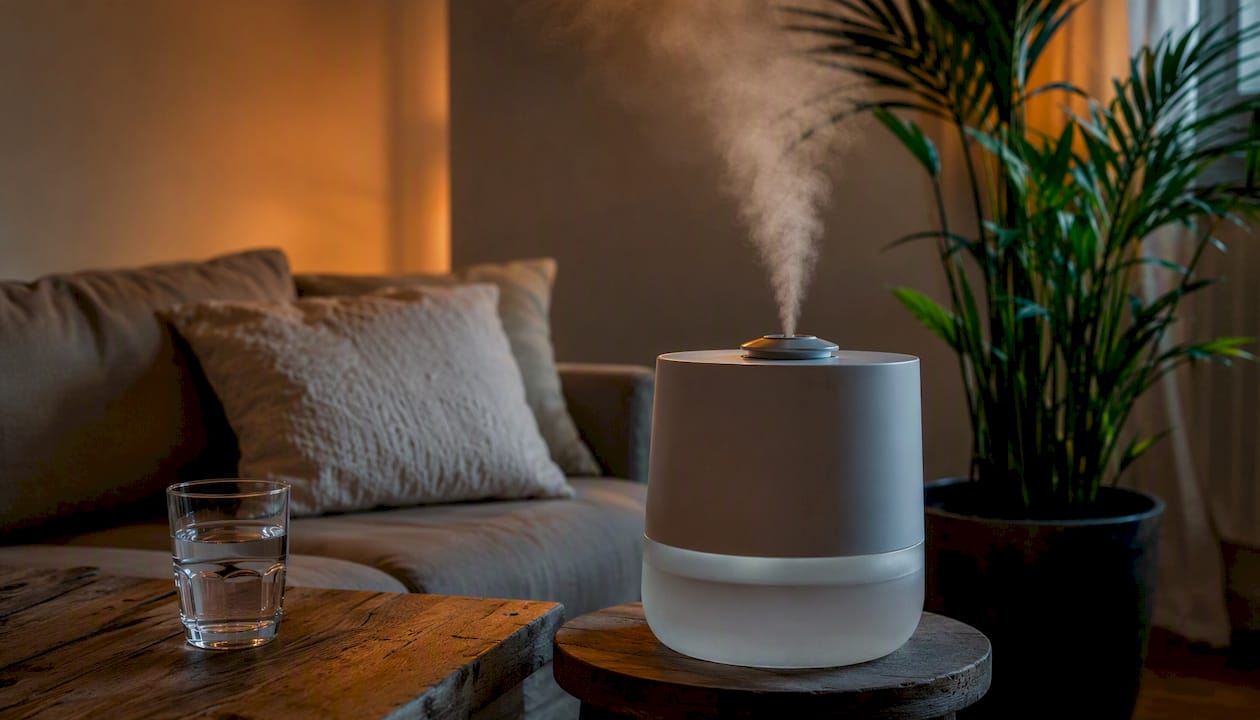
Steam and humidified air: Breathing moist air reduces dryness. A cool-mist humidifier works well, but clean it frequently to avoid spreading mold or bacteria.
Throat lozenges: Menthol or benzocaine lozenges provide temporary numbing. Not suitable for children under 4.
Hydration: Drinking plenty of fluids keeps the throat moist and supports the immune response. Dehydration thickens mucus and prolongs irritation.
Avoid irritants: Smoke, alcohol, very spicy foods, and acidic drinks (citrus juice, soda) can all aggravate inflamed tissue.
Pro Tip: Not sure whether to reach for something warm or cold? Try both. Temperature preference is personal, and Cleveland Clinic notes that some people get faster relief from cold numbing while others respond better to warm coating. Start with whichever feels more comfortable and switch if it isn’t working after a few minutes.
A salt-water gargle is one of the most evidence-backed steps for reducing throat swelling and clearing irritants. The Mayo Clinic recommends this exact preparation:
Measure 1/4 to 1/2 teaspoon of table salt.
Dissolve it in 4–8 ounces (120–240 ml) of warm (not hot) water.
Tilt your head back slightly.
Gargle for 15–30 seconds, letting the solution reach the back of the throat.
Spit out the solution completely. Do not swallow it.
Repeat every 3 hours as needed.
Young children should not attempt gargling due to the risk of swallowing the solution. If salt water is unavailable or uncomfortable, baking soda dissolved in warm water is an acceptable alternative that may also help break up mucus.
Concentration matters. Too much salt can dry out and further irritate the mucous membranes. Stick to the 1/4–1/2 teaspoon range per 4–8 ounces of water.
Acetaminophen (Tylenol) and ibuprofen (Advil, Motrin) are the two most appropriate over-the-counter options for throat pain and fever. Harvard Health notes that both are effective when used according to label directions.
Acetaminophen works well for pain and fever with less stomach irritation. It is generally the first choice for children and people with sensitive stomachs.
Ibuprofen reduces both pain and inflammation, which can be helpful when swelling is contributing to discomfort.
Never give aspirin to children or teenagers. Aspirin in this age group carries a risk of Reye’s syndrome, a rare but serious condition.
Watch for double-dosing. Many combination cold and flu products already contain acetaminophen. Check all labels before combining products.
This article provides general health information, not medical advice. Confirm dosing and suitability with a pharmacist or healthcare provider, especially for children.
These options work fast but address symptoms only. They do not treat the underlying infection.
Pro Tip: If swallowing is painful, a spray is often easier to use than a lozenge. If your voice is strained and you need to speak soon, a lozenge that dissolves slowly tends to provide longer-lasting relief without repeated application.
Children need a different approach. Several common adult remedies are unsafe for young children, and the age limits are firm.
No honey under 12 months. Infant botulism risk is real and serious.
No lozenges or hard candies under 4 years. Choking hazard.
No aspirin for anyone under 18. Use acetaminophen or ibuprofen instead, dosed by the child’s weight and age per pediatric label guidance.
Safe options for children: Popsicles, cold water, warm (not hot) broth, saline nasal rinses, and a clean cool-mist humidifier.
Acetaminophen and ibuprofen are appropriate for children when dosed correctly by weight. Always follow the pediatric dosing chart on the label.
Call your child’s pediatrician promptly if they develop a high fever (above 103°F), show signs of dehydration (no tears, very dark urine, dry mouth), have difficulty breathing, or cannot swallow at all.
Most sore throats are viral and resolve within one week without antibiotics. These red flags indicate you need professional evaluation:
Trouble breathing or a feeling of throat closing
Severe pain that prevents swallowing or drinking
Drooling (a sign of inability to swallow)
High fever (above 103°F in adults, or any fever in infants under 3 months)
White patches or pus on the tonsils
A red rash alongside sore throat (possible scarlet fever)
Swollen, tender lymph nodes in the neck
Symptoms lasting beyond 7 days or worsening after initial improvement
Strep throat typically presents with sudden, severe throat pain, fever, and white spots, but without a cough. A rapid strep test or throat culture confirms the diagnosis. Antibiotics (penicillin or amoxicillin for 10 days) are appropriate only for confirmed bacterial infections.
Sore throats caused by viruses and bacteria spread through respiratory droplets and contact with contaminated surfaces.
Wash hands frequently with soap and water for at least 20 seconds.
Cover coughs and sneezes with a tissue or your elbow, not your hand.
Stay home from work or school until you have been fever-free for 24 hours without fever-reducing medication.
Disinfect high-touch surfaces: doorknobs, phones, light switches, and shared utensils.
Avoid smoking and secondhand smoke, both of which directly irritate the throat lining.
Use a humidifier with distilled water and clean it regularly. An unclean device can aerosolize mold and bacteria, making throat irritation worse rather than better.
Vocal professionals face a specific challenge: the throat is both the site of illness and the instrument of their work. Standard sore throat care applies, but a few additional principles matter.
Voice rest is the single most protective step you can take. Avoid speaking, and avoid whispering entirely. Whispering places significant tension on the vocal folds and can prolong recovery more than normal speech. Hydration and humidification keep the vocal mucosa pliable. Gentle lubrication, rather than aggressive throat clearing, protects the delicate tissue of the vocal folds.
If hoarseness persists beyond two weeks, or if you experience voice loss or vocal fatigue that affects your work, consult an ENT or laryngologist. Pushing through on a strained voice risks longer-term damage.
For acute recovery support, Tmrgsolutions offers several products designed specifically for voice professionals:
TMRG Loud & Clear Classic Voice Recovery Drops: Topical drops for rapid lubrication and symptomatic relief. Well-suited for performers who need targeted support between performances.
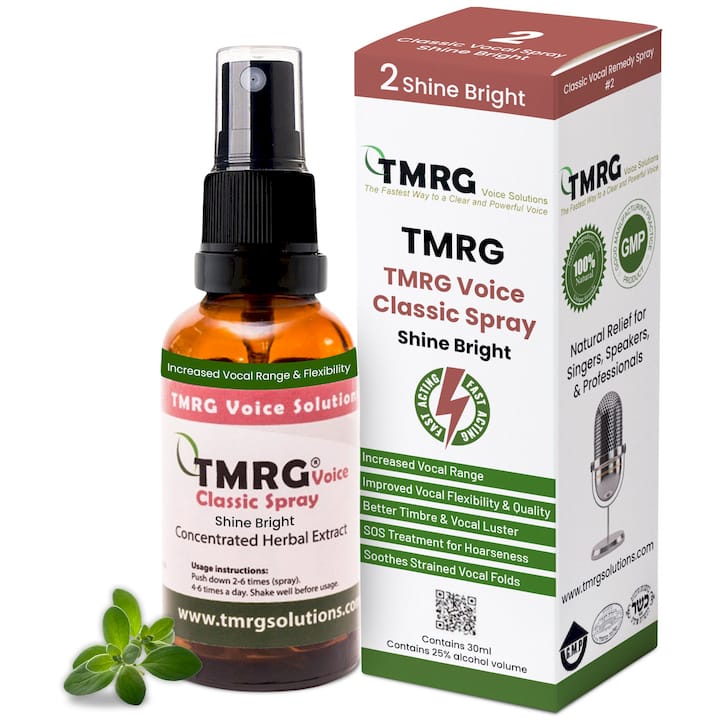
TMRG Shine Bright Classic Voice Recovery Spray: A quick-application spray for short-term vocal comfort and lubrication.
TMRG Defense Oils and Saline Voice and Throat Spray: A saline and oil-based formula designed to hydrate and protect the vocal mucosa, particularly useful for chronic sufferers and frequent performers.
TMRG Voice Therapy Kit Basic: An entry-level kit for occasional voice users who want structured support without a full professional protocol.
TMRG Voice Therapy Kit Standard (TVT-S): A structured at-home recovery protocol for professionals and frequent voice users.
TMRG Powerful Vocal Recovery Kit (N): A high-intensity option for performers with heavy voice use who need rapid rehabilitation.
These products are adjuncts to voice rest and hydration, not substitutes for clinician care when symptoms are severe or persistent. For herbal vocal support options, note that herbal remedies lack robust clinical proof and may interact with medications. Consult a clinician before adding supplements to your recovery plan.
Pro Tip: Before returning to professional voice use after illness, run a short warm-up routine at half your normal volume. Start with gentle humming, move to light scales, and stop immediately if you feel strain. Returning too fast is the most common reason vocal professionals extend their recovery time.
Most viral sore throats resolve within about one week with consistent self-care: salt-water gargles, warm or cold fluids, honey for anyone over 1 year, and OTC pain relief used safely by age and weight.
| Point | Details |
|---|---|
| Salt-water gargle | Use 1/4–1/2 tsp salt in 4–8 oz warm water; gargle every 3 hours and spit. |
| Warm vs. cold fluids | Warm liquids loosen mucus; cold treats numb burning pain. Try both to find what works. |
| Honey age rule | Safe for children over 1 year; never give to infants under 12 months. |
| OTC pain relief cautions | Use acetaminophen or ibuprofen by label; never give aspirin to anyone under 18. |
| Tmrgsolutions vocal care | TMRG recovery kits and sprays support lubrication and acute recovery for voice professionals. |
Sore throat content online tends to conflate symptom relief with treatment. The distinction matters more than most guides acknowledge. Gargling with salt water, sucking on a lozenge, or drinking warm tea does not shorten the duration of a viral infection. What these steps do is reduce the discomfort enough to let you sleep, eat, and stay hydrated, which is what actually supports recovery.
The second thing most guides understate is the antibiotics question. Patients often expect a prescription, and some clinicians prescribe one to avoid conflict. But antibiotics carry real costs: side effects, disruption to gut flora, and contribution to resistance. The CDC is explicit that antibiotics will not help a viral sore throat. Pushing for a prescription before a strep test is confirmed is not a shortcut. It is a detour.
For vocal professionals specifically, the gap between “feeling better” and “being ready to perform” is wider than most people expect. The vocal folds are tissue. They need time to reduce inflammation before they can handle the mechanical load of sustained performance. Tmrgsolutions’s singer throat recovery resources address this gap directly, with protocols built around the reality of performance schedules rather than ideal recovery conditions.
The most useful thing you can do today is the least exciting: rest, drink fluids, gargle, and wait. Add targeted support where it genuinely fits. See a clinician when the red flags appear.
Singers, teachers, and speakers dealing with throat soreness need more than generic cold remedies. Tmrgsolutions has spent several years developing targeted vocal recovery products that address the specific demands of professional voice use, from acute soreness to chronic vocal fatigue.
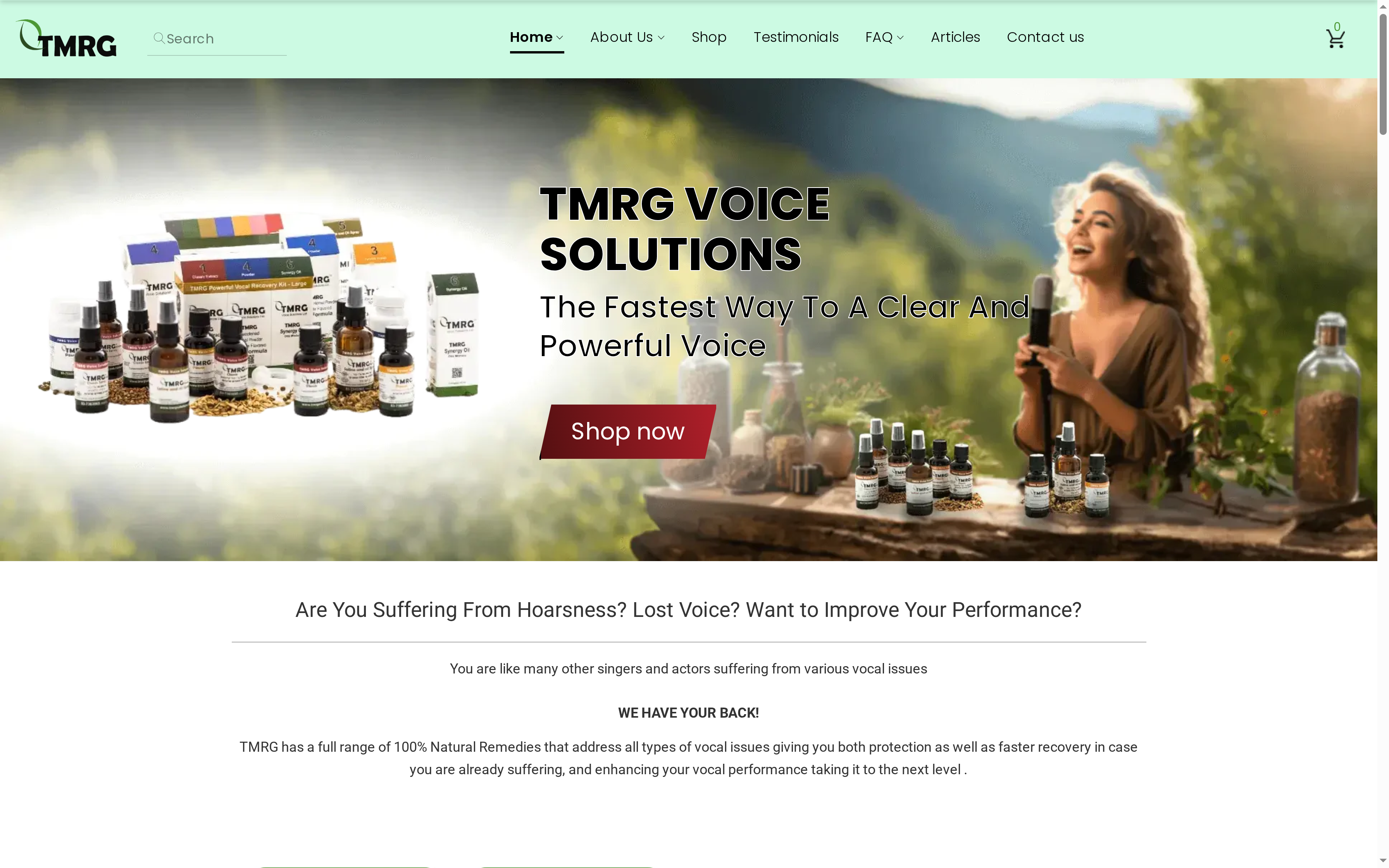
The TMRG Loud & Clear Classic Voice Recovery Drops and TMRG Shine Bright Classic Voice Recovery Spray are the fastest-access options for performers who need lubrication and short-term comfort before or between engagements. For a structured recovery protocol, the TMRG Voice Therapy Kit Standard (TVT-S) provides a complete at-home framework, while the TMRG Powerful Vocal Recovery Kit (N) is built for heavy-use professionals who need rapid rehabilitation. The TMRG Voice Therapy Kit Basic suits occasional voice users who want targeted support without a full professional kit. All products are designed as adjuncts to voice rest and hydration, not replacements for medical care when symptoms are severe.
Browse the full range at the Tmrgsolutions vocal recovery store and find the option that fits your recovery stage and performance schedule.
The guidance in this article draws on U.S.-jurisdiction medical sources. Consult your clinician for personalized advice.
| Source | Link |
|---|---|
| CDC: Sore Throat | cdc.gov/sore-throat |
| Mayo Clinic: Sore Throat Diagnosis & Treatment | mayoclinic.org |
| Harvard Health: Sore Throat (Pharyngitis) | health.harvard.edu |
| Cleveland Clinic: Sore Throat Home Remedies | health.clevelandclinic.org |
| NIH News in Health: Soothing a Sore Throat | newsinhealth.nih.gov |
| NHS: Sore Throat | nhs.uk |
Viral sore throats typically come with cold symptoms like a runny nose and cough. Bacterial strep throat usually presents with sudden severe pain, fever, and white patches on the tonsils, but no cough. A rapid strep test or throat culture from a clinician confirms the diagnosis.
Ice chips, popsicles, and cold water provide fast numbing by reducing local inflammation. Honey coats and soothes the throat lining. Menthol lozenges also produce a numbing sensation and are widely available without a prescription.
Sip cold or warm fluids slowly to stay hydrated, use a throat spray or lozenge for temporary numbing, and take acetaminophen or ibuprofen by label directions. If swallowing becomes impossible or you begin drooling, seek emergency care immediately.
Viral respiratory infections spread through respiratory droplets and contact with contaminated surfaces. Close contact with an infected person, touching your face after handling shared objects, and dry or smoky air that irritates the throat lining are the most common triggers.
TMRG products are designed for vocal lubrication and symptomatic support, making them most useful for singers, teachers, and speakers managing throat soreness alongside voice demands. They work best as adjuncts to rest, hydration, and standard self-care, not as standalone treatments.
