Your Cart is Empty


You can reduce or stop habitual throat clearing by swapping the clearing reflex for a gentler replacement behavior while you calm the triggers underneath it. In the next ten minutes, you can try four things: sip water and swallow instead of clearing, do a firm silent swallow when the urge hits, chew sugar-free gum to keep saliva flowing, or perform a gentle silent cough followed by a swallow rather than a hard scrape. These substitutes ease irritation without hammering your vocal folds the way a forceful clear does. Real change usually takes weeks to months, not a single afternoon, so expect gradual progress rather than an overnight fix.
Pro Tip: Before you change anything, spend one hour just noticing. Tally every throat clear on a sticky note or phone app. Many people are surprised to discover they clear their throat frequently once they start counting.
Stopping habitual throat clearing works best when immediate replacement behaviors are paired with trigger reduction and given roughly three months to retrain the reflex.
| Point | Details |
|---|---|
| Replace, don’t suppress | Swap forceful clearing for a sip and swallow, hard swallow, or gum to protect your vocal folds. |
| Identify your trigger | Post-nasal drip, silent reflux, allergies, and ACE inhibitors are the most common overlooked causes. |
| Commit to one habit at a time | Practice a single replacement for seven days before adding a second one. |
| Know your timeline | Expect roughly three months of consistent practice before the habit fully breaks. |
| Watch for red flags | Hoarseness over three weeks, blood, or trouble swallowing means see a doctor now. |
| Support the routine | Products like TMRG Loud & Clear drops and TMRG Safe & Sound powder can ease dryness while you retrain the habit. |
Six culprits account for most chronic throat clearing, and figuring out which one applies to you determines which remedy actually works.
Watch for red flags that need urgent attention: hoarseness lasting more than three weeks, coughing up blood, trouble swallowing, unexplained weight loss, or a lump you can feel in your neck. Any of those warrants a same-week appointment, not a wait-and-see approach. Otherwise, if you suspect allergies, reflux, or a medication is the driver, a visit to your primary care doctor, an ENT, or an allergist can confirm it through history review, a medication check, or targeted testing.
Two things have to happen at once: you lower the triggers irritating your throat, and you consistently swap the clearing reflex for something gentler. Neither alone works as well as doing both.
Start with a single replacement behavior rather than trying five at once. Speech-language pathologists commonly recommend committing to one substitute technique for seven straight days before adding another, which builds the new response into muscle memory faster than juggling multiple options.
Here’s the program broken into stages:
Effective replacements, recommended by voice specialists, include a sip of water followed by a swallow, a firm silent swallow with no sip, a gentle silent cough followed by a swallow, sugar-free gum or hard candy to stimulate saliva, and a slow nasal inhale followed by a controlled exhale.
Pair these with laryngeal relaxation: drop your jaw, roll your shoulders back, and try a deliberate yawn followed by a swallow, which loosens throat tension that often precedes the urge. A simple daily routine might look like this: water sip on waking, jaw and neck stretch before your first meeting or class, gum during commutes, and a check-in tally before bed.
Pro Tip: Log not just how often you clear, but when. Stress meetings, heavy talking days, and dry evening air are the usual saboteurs, and spotting the pattern tells you where to focus first.
Hydration is the foundation. Clinical guidance points to roughly 1.5 to 2 liters of fluid daily, mostly water, to keep mucus thin enough that it clears on its own instead of pooling and triggering the reflex. Cut back on excess caffeine and alcohol, since both dry out mucous membranes and work against you.
If reflux is a suspect, a few adjustments help even without a formal GERD diagnosis:
For allergy and post-nasal drip triggers, a daily nasal saline rinse flushes irritants before they drip down your throat, and a nasal steroid spray or antihistamine can help when allergies are confirmed. A humidifier counters dry indoor air, and reducing smoke exposure removes one of the most direct throat irritants there is, per guidance from speech-language pathologists.
On the vocal hygiene side, avoid forceful clears and shouting, use gentler alternatives like the swallow techniques covered here, and give your voice a rest when it feels raw. If you take an ACE inhibitor for blood pressure, mention your throat symptoms to your prescriber. A medication swap sometimes resolves the issue entirely.
If self-care hasn’t budged your symptoms after two to three weeks, it’s time for a professional evaluation, and sooner if any red flags from earlier show up.
Start with primary care for a general history and medication review. From there:
Treatment at this stage might mean targeted reflux therapy, allergy management, switching an offending medication, or a referral for the kind of habit-reversal coaching an SLP specializes in.
Every forceful clear slams your vocal folds together and irritates the tissue lining them, which makes that tissue more sensitive, not less. The next mild irritation feels bigger than it should, so you clear again, and the cycle deepens.
Laryngologists often compare it to a mosquito bite. Scratching relieves the itch for a second, but it also inflames the skin further, which makes it itch more. Throat clearing works the same way on the larynx: each clear buys momentary relief but leaves the tissue more reactive than before.
Clinicians who treat this professionally report that about three months of consistent replacement behavior is typically what it takes to break the cycle for good.
Pro Tip: If you speak for a living, the payoff for acting early is bigger than most people realize. Catching the habit before the larynx becomes chronically hyper-reactive is far easier than untraining years of forceful clearing later.
This guidance reflects what we’ve learned helping voice professionals and everyday clients cut back on throat clearing over the years. Tmrgsolutions focuses on practical vocal-health support, not medical cures, so pair behavioral work like this with a clinical evaluation whenever symptoms persist.
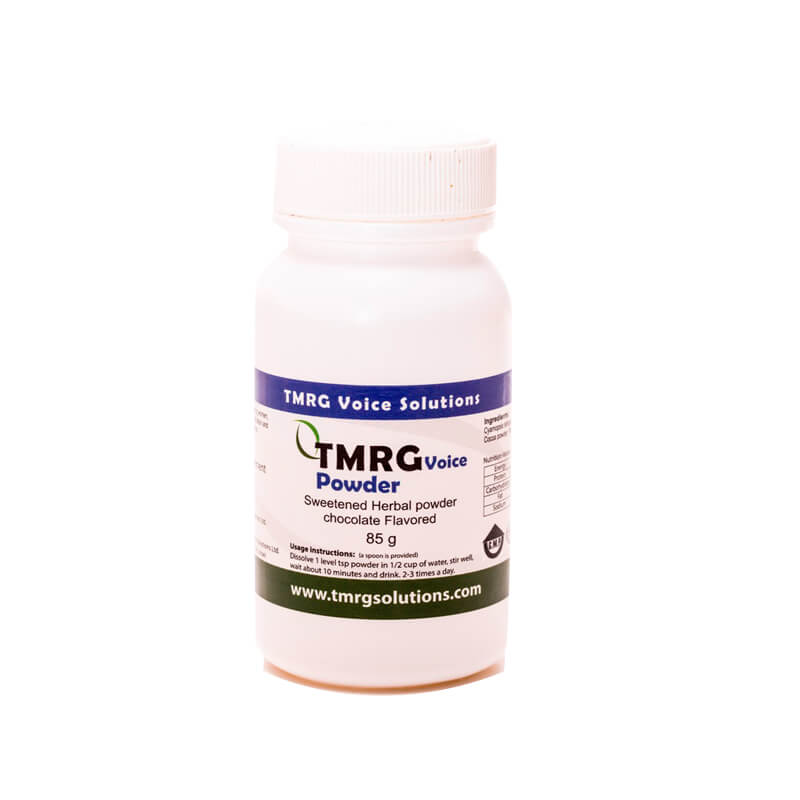
A soothing drop or a hydration-focused powder won’t retrain a habit by themselves, but they can make the behavioral work easier to stick with. TMRG Loud & Clear Classic Voice Recovery Drops offer temporary soothing relief you can reach for instead of clearing, giving your replacement swallow something extra to work with when your throat feels dry or scratchy. For daily hydration support that complements the fluid targets covered above, TMRG Safe & Sound Voice and Throat Supplement Powder fits into a morning or evening routine alongside your water intake.
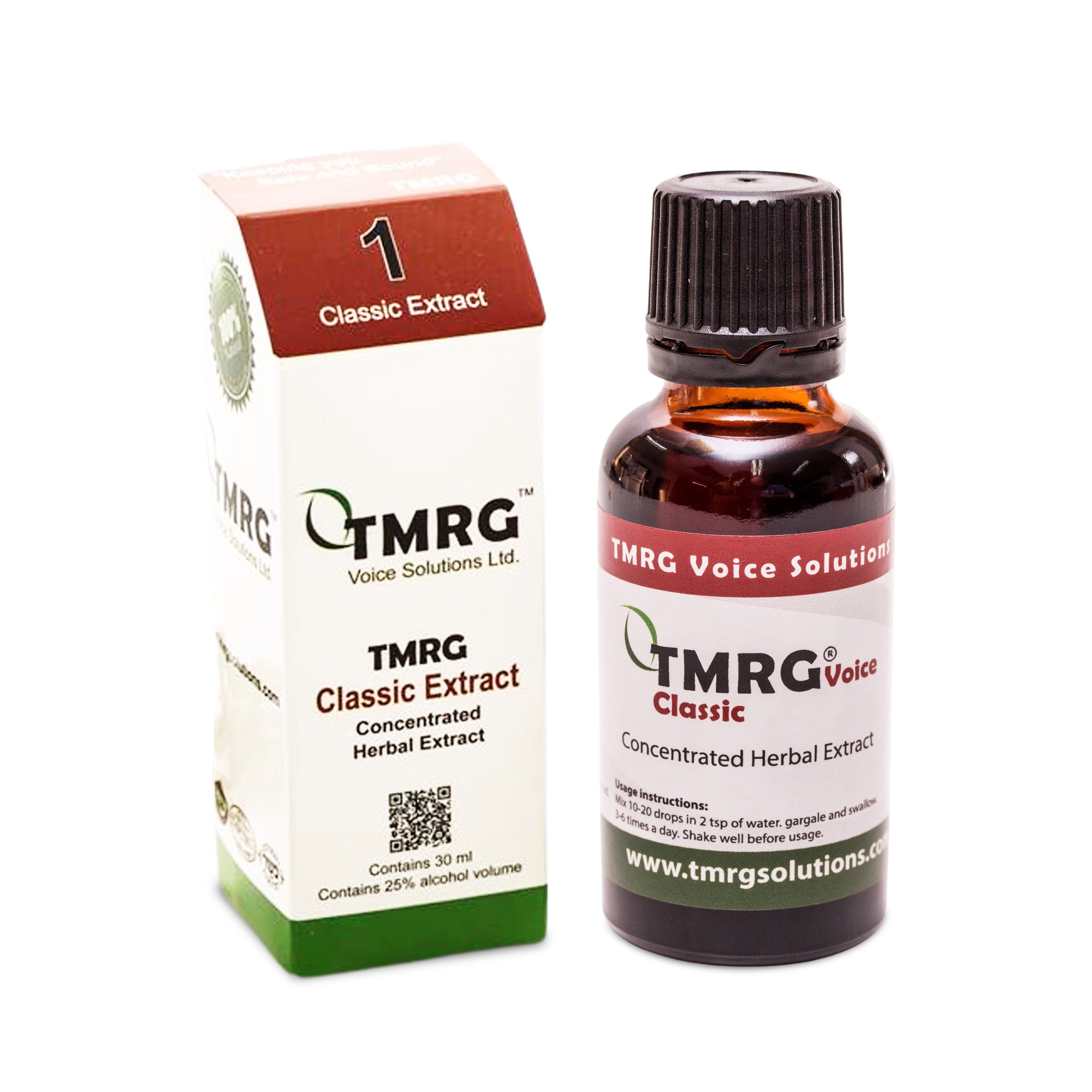
Follow the directions on each product, and check with a clinician if your throat clearing persists despite consistent use of both behavioral strategies and these supports. For more on building a sustainable daily routine, browse the vocal care guides on the Tmrgsolutions site, then visit the product pages above when you’re ready to add targeted support to your plan.
For more depth beyond this guide, University of Utah Health covers the habit-formation mechanism, Harvard Health explains silent reflux in plain terms, and UK HealthCare outlines when evaluation becomes necessary.
This article is general information, not a substitute for advice from a qualified doctor. Consult a qualified healthcare professional about your own circumstances before acting on anything here.
Post-nasal drip and silent reflux (LPR) are the two most frequent drivers, though allergies and certain blood pressure medications also contribute regularly.
It’s a repetitive, involuntary sound that draws attention in quiet settings, and for the person doing it, each clear can trigger more irritation, making the urge return within minutes.
Sip water and swallow, or try a gentle silent cough followed by a swallow, rather than a hard forceful clear, which only irritates the tissue further and produces more mucus in response.
Forceful clearing often backfires because it inflames the vocal folds and increases mucus production as a protective response, so the sensation returns almost immediately. Gentler replacement behaviors and addressing the underlying cause, whether reflux or allergies, tend to work far better than repeated forceful clearing.
