Your Cart is Empty


TL;DR:
- Voice clarifying products support vocal health through natural remedies or improve recorded speech clarity with AI technology. Using the right tool depends on whether your issue is physiological or technical, and professional assessment is essential for persistent problems. Combining clinical voice therapy with supportive products and proper recording environment management yields the best, lasting vocal clarity results.
Voice clarifying products are tools designed to improve vocal clarity by either supporting the physiological health of your vocal folds or enhancing the intelligibility of recorded speech. The industry term covering the medical side is dysphonia management, while the audio side falls under speech enhancement technology. Whether you are a singer dealing with chronic hoarseness, a public speaker losing projection mid-presentation, or a podcaster battling room noise, the right product category makes a measurable difference. This guide covers both worlds, with specific examples from Tmrgsolutions, Adobe Enhance Speech v2, and Universal Audio’s C-Vox, so you can make an informed choice.
Voice clarifying products split into two distinct categories: physiological support products and digital audio enhancement tools. Knowing which category matches your problem is the first decision you need to make.
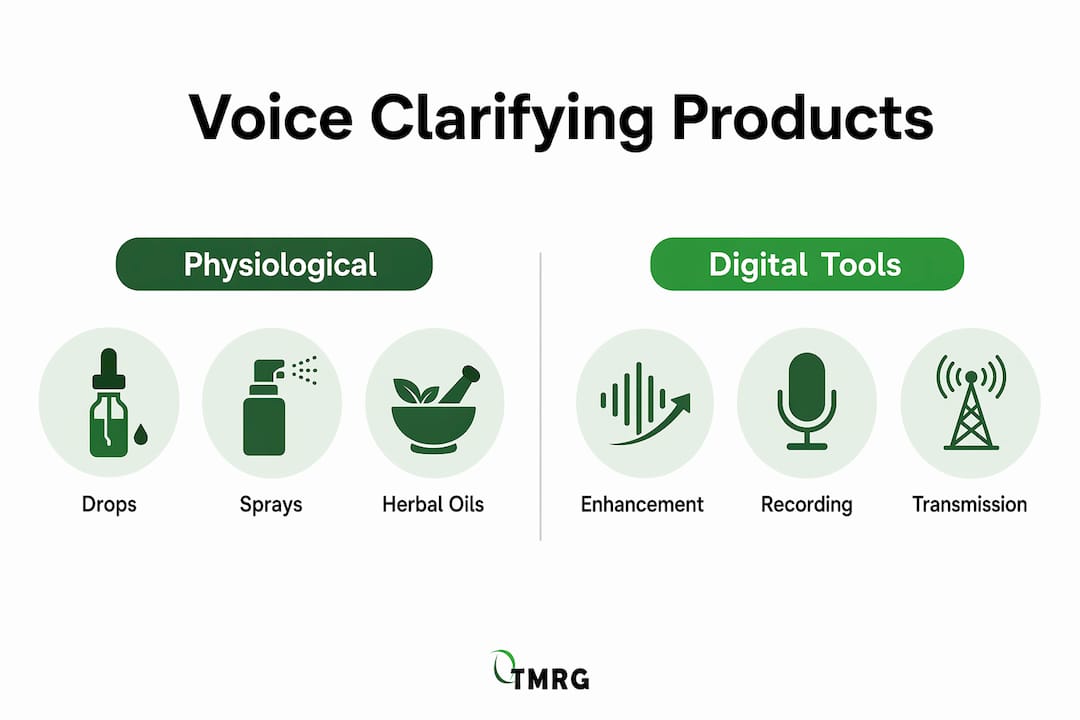
These products work directly on your vocal anatomy. They include voice drops, throat sprays, saline mists, herbal oils, and structured voice therapy kits. Tmrgsolutions, which has over 25 years of experience in vocal health, offers a full range in this category. Products like the TMRG Loud & Clear Classic Voice Recovery Drops target soothing inflamed vocal folds, while the TMRG Voice Therapy Kit Standard provides a structured protocol for singers and speakers managing hoarseness or vocal fatigue. The goal is to restore the natural vibration of your vocal folds so your voice sounds full and clear again, not thin or strained.
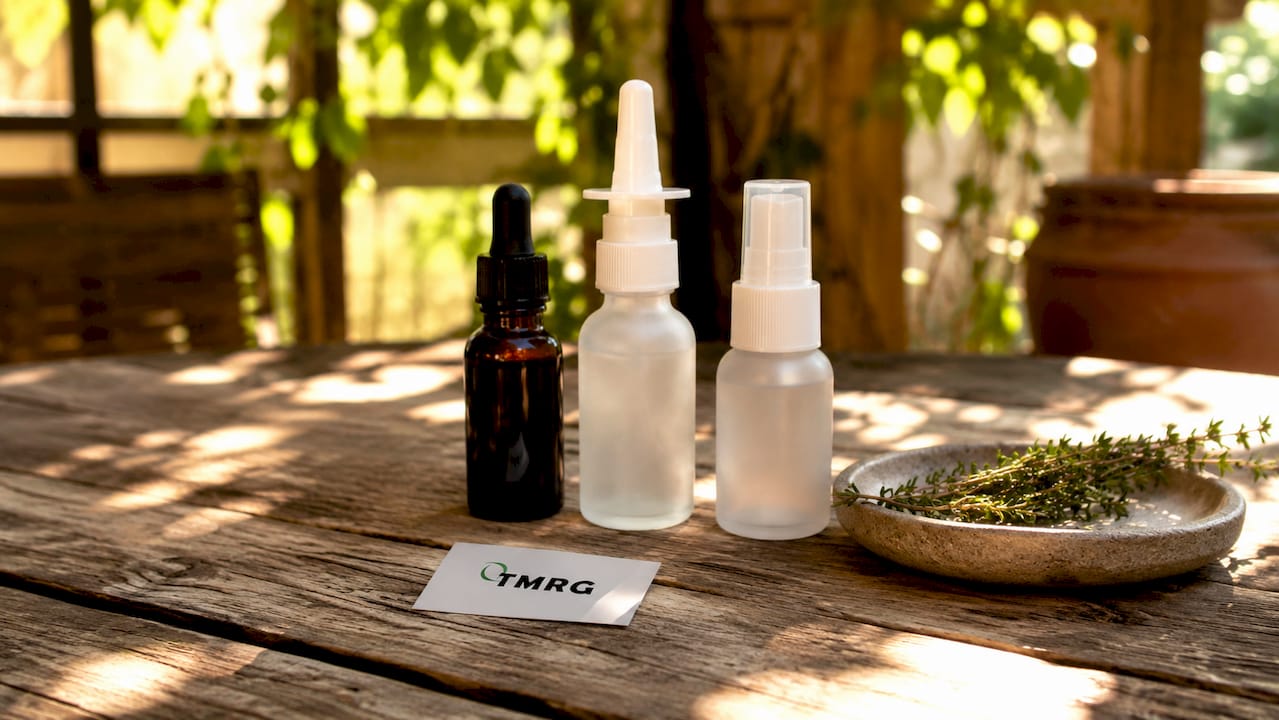
Voice hygiene products, such as saline sprays and humidifying oils, work by keeping the mucosal lining of the larynx moist. Dry vocal folds vibrate inefficiently, producing a rough or breathy tone. Consistent hydration at the tissue level is one of the most direct ways to improve voice clarity without any technology involved.
These products do not touch your vocal health at all. Instead, they process recorded or transmitted audio signals to remove noise, echo, and reverb. Adobe Enhance Speech v2 uses AI to reduce noise and echo while preserving natural vocal qualities in recordings. Universal Audio’s C-Vox plugin offers near-zero latency noise and reverb reduction optimized for vocal recordings. Auphonic adds automated speech cleanup including intelligent leveling and filler word cutting for podcasts and broadcasts. These tools are sound clarity products for your audio signal, not your larynx.
| Product Type | Primary Use Case | Key Benefit |
|---|---|---|
| Voice drops and sprays | Hoarseness, vocal fatigue, dryness | Soothes and hydrates vocal folds |
| Voice therapy kits | Structured recovery from dysphonia | Combines therapy protocols with natural remedies |
| AI speech enhancement (Adobe, Auphonic) | Podcast, voice-over, remote calls | Removes noise and reverb from recordings |
| Hardware vocal processors (C-Vox) | Studio and live vocal recording | Near-zero latency signal clarity |
| Dialogue-enhancing soundbars (ZVOX AccuVoice) | TV and home audio listening | Boosts speech frequencies for clearer dialogue |
Pro Tip: If your voice sounds unclear only in recordings but feels fine physically, start with a digital audio clarity solution. If your voice feels rough, tired, or strained, address the physiology first.
Products, whether natural remedies or audio filters, are not a substitute for clinical evaluation when your voice is telling you something is wrong. Knowing when to escalate is not optional. It is a safety decision.
The following symptoms require prompt medical assessment rather than self-managed product use:
For most cases of acute laryngitis, conservative care including voice rest, hydration, and humidification resolves symptoms within two to four weeks. Products like throat sprays and voice drops fit naturally into this recovery window. They support the healing process without interfering with it.
The risk of relying solely on products is real. Laryngopharyngeal symptoms do not always have an obvious cause, and objective monitoring is required for accurate diagnosis. A singer who masks hoarseness with drops and pushes through rehearsals may be delaying diagnosis of a vocal fold nodule or lesion.
When symptoms persist or worsen, an ENT (ear, nose, and throat specialist) or a licensed speech-language pathologist is the right next step. Voice therapy by a licensed speech-language pathologist is effective across a broad range of voice disorders and should be integral until optimal patient response is achieved. Products work best as adjuncts to that clinical process, not replacements for it.
Pro Tip: Keep a simple voice log for two weeks. Note when your voice feels rough, what you were doing, and how long it lasts. This record is invaluable when you do see a clinician, and it helps you spot patterns that products alone cannot fix.
Getting real results from voice clarity aids requires more than opening a bottle. The way you integrate products into your daily routine determines whether they help or simply give you false confidence.
The most common mistake is treating a product as a single solution. Vocal clarity is a system. Your larynx, breath support, resonance, and technique all contribute. Products support one part of that system. They work best when the rest of the system is also being managed.
Digital voice enhancement tools operate entirely in the signal domain. They do not improve your vocal health. They improve how your voice sounds to a listener after it has been captured by a microphone.
Adobe Enhance Speech v2 is designed for podcasters, voice-over artists, and remote speakers who record in imperfect acoustic environments. It strips background noise and room echo while keeping the natural timbre of the voice intact. Universal Audio’s C-Vox plugin targets studio and broadcast professionals who need real-time processing with minimal delay. Auphonic serves content creators who want automated workflows, handling leveling, noise reduction, and even filler word removal without manual editing.
| Tool | Best For | Key Limitation |
|---|---|---|
| Adobe Enhance Speech v2 | Podcasters, remote speakers | Post-production only, not live |
| Universal Audio C-Vox | Studio vocals, broadcast | Requires UA hardware interface |
| Auphonic | Automated podcast workflows | Less control over individual parameters |
These tools are audio clarity solutions for your recordings. They are not voice clarity aids for your body. A voice that sounds thin or breathy because of vocal fold pathology will still sound thin and breathy after processing. The filter cleans the signal. It does not fix the source.
Choosing the right digital tool depends on your workflow. If you record and edit afterward, Adobe Enhance Speech v2 is a strong starting point and is free to use at basic levels. If you need live processing during a broadcast or webinar, C-Vox is built for that environment. If you produce high volumes of audio content, Auphonic’s automation saves significant editing time.
Pro Tip: Record a 60-second test clip in your normal environment, then run it through Adobe Enhance Speech v2 before investing in any hardware. You may find that software alone solves 80% of your audio clarity problem.
The most effective approach to vocal clarity combines physiological support products, clinical voice therapy when needed, and digital audio tools matched to your specific recording environment.
| Point | Details |
|---|---|
| Two distinct product categories | Physiological products support vocal health; digital tools improve recorded audio signals. |
| Four-week rule for hoarseness | Seek laryngoscopy if dysphonia does not resolve within four weeks, per AAO-HNS guidelines. |
| Products work as adjuncts | Voice drops and sprays support recovery but do not replace clinical voice therapy. |
| Match the tool to the problem | Audio filters fix signal issues; throat sprays and therapy kits address vocal fold health. |
| Combine for lasting results | Pairing Tmrgsolutions therapy kits with voice exercises builds sustainable vocal clarity. |
I have worked with singers, lecturers, and voice-over artists for years, and the pattern I see most often is this: someone buys a product expecting it to solve everything, skips the clinical evaluation, and then wonders why they are still struggling six months later.
The uncomfortable truth is that most people reach for a product before they understand what is actually wrong. A spray can soothe an inflamed larynx. It cannot correct a muscle tension pattern that has been building for two years. An AI filter can make your podcast sound polished. It cannot tell you that your vocal folds are not closing properly.
What I have found actually works is triage first. Ask yourself whether the problem is in your body or in your recording chain. If it is in your body, get a clinical opinion before spending money on products. If it is in your recording chain, test a software solution before buying hardware. Products from Tmrgsolutions are genuinely useful, especially the therapy kits that combine structured protocols with natural formulations. But they work best when you already know what you are treating.
The singers and speakers I have seen make the fastest progress are the ones who treat vocal clarity as a system. They work with a speech-language pathologist, use natural hoarseness relief products as part of a structured plan, and address their recording environment separately. That combination is not complicated. It just requires honesty about where the problem actually lives.
— Golan
Tmrgsolutions has spent over 25 years developing natural voice care products for singers, actors, lecturers, and voice professionals. The product range covers every stage of vocal recovery and maintenance.
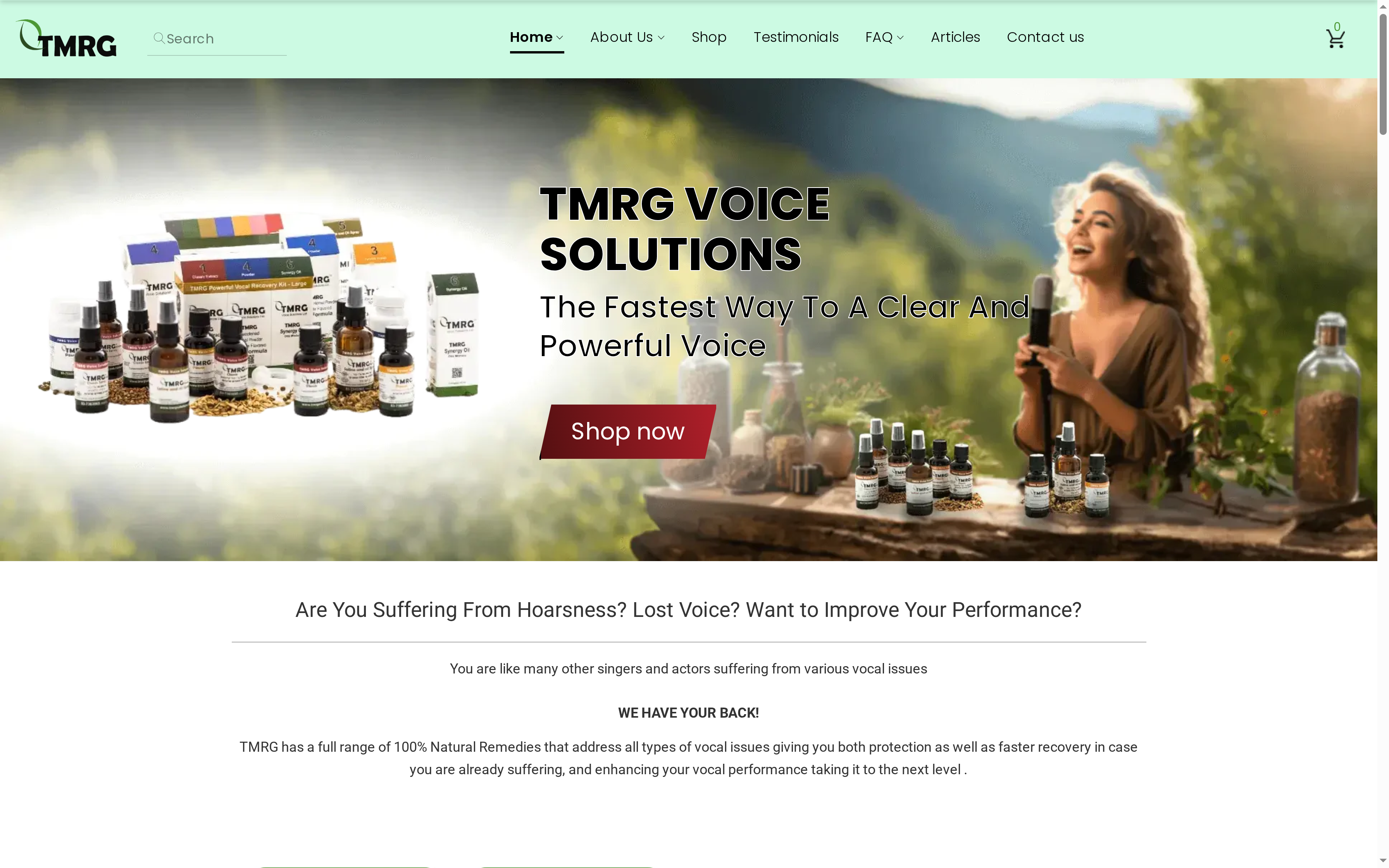
For acute hoarseness and vocal fatigue, the TMRG Loud & Clear Voice Recovery Drops deliver targeted soothing support directly to the vocal folds. For a more structured recovery protocol, the TMRG Voice Therapy Kit Standard combines multiple products into a clinically informed program. Singers and performers who need specialized support can explore the Premium Voice Therapy Kit, designed for professional-level vocal demands. Every product is formulated to complement, not replace, professional voice care. Use them as part of a complete vocal health plan for the best results.
Voice clarifying products either support the physiological health of your vocal folds through drops, sprays, and therapy kits, or they improve the intelligibility of recorded speech through AI-based audio tools. The right product depends on whether your clarity problem is physical or technical.
AAO-HNS guidelines recommend a laryngeal examination if hoarseness does not resolve within four weeks. Do not wait longer than that, even if you are using supportive products.
No. Tools like Adobe Enhance Speech v2 and Auphonic improve how a recording sounds to a listener. They do not address vocal fold inflammation, muscle tension, or any physiological cause of poor voice clarity.
Voice therapy kits from Tmrgsolutions are designed to complement professional care, not replace it. Voice therapy by a licensed speech-language pathologist remains the most effective intervention for functional and structural voice disorders.
Combine voice rest, systemic hydration, and a soothing throat spray in the 24–48 hours before a performance. For your recording or amplification setup, run your audio through a speech enhancement tool to reduce room noise. Address any underlying vocal issues with a clinician after the event.
