Your Cart is Empty


TL;DR:
- Vocal clarity enhancement products use processing tools and physical care to improve voice intelligibility and tone. Properly ordered processing stages and targeted products support natural vocal health and prevent over-processing. Combining these tools with consistent vocal care sustains voice quality and performance.
Vocal clarity enhancement products are specialized tools and techniques designed to improve the intelligibility, tone, and presence of spoken or sung voice. Whether you perform on stage, record podcasts, or lecture professionally, the quality of your voice directly shapes how your audience receives your message. This guide covers the technology behind these products, the acoustic science that makes them work, and practical advice for choosing the right combination of tools. You will find guidance grounded in professional standards, including LUFS normalization targets and frequency shaping techniques used by working vocal engineers in 2026.
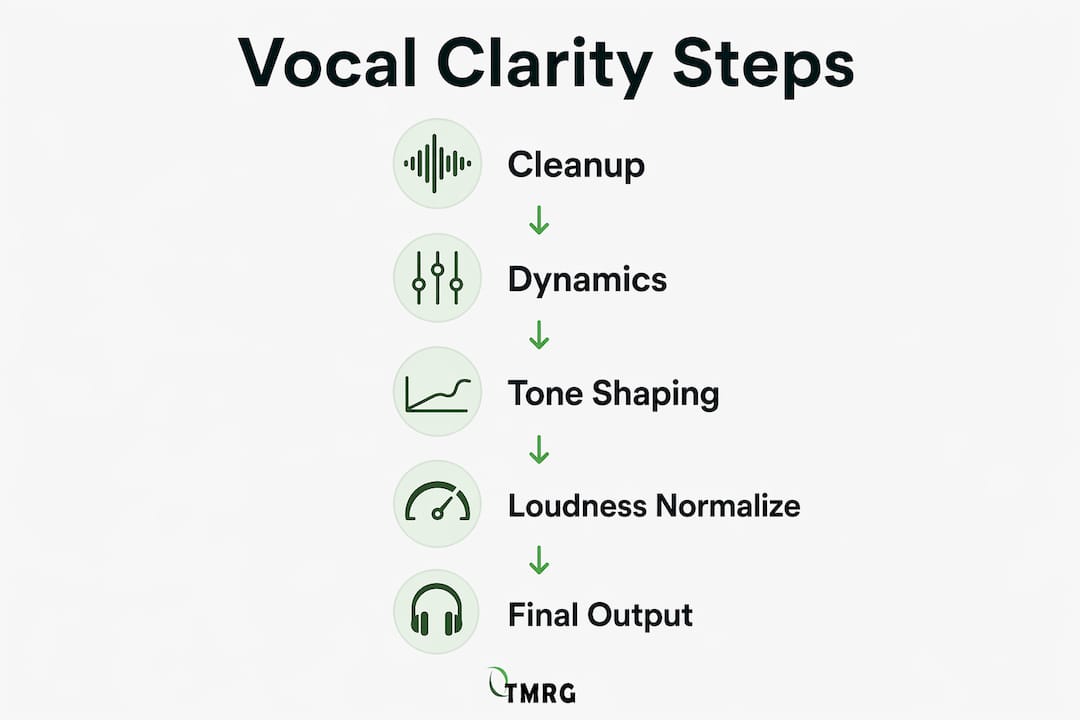
Modern voice clarity tools process audio through a chain of specialized modules, each targeting a specific problem. AI-based vocal clarity tools apply 7–9 processing stages, including noise gating, AI noise reduction, de-reverb, de-essing, voice EQ, compression, and loudness normalization. Each stage has a distinct job, and the order of those stages matters as much as the settings within them.
Frequency shaping sits at the heart of any clarity improvement. Professional vocal processing recommends a high-pass filter at 80–100 Hz to remove low-end rumble, a cut in the 200–500 Hz range to reduce muddiness, and a gentle boost between 1–3 kHz to add presence. Boosts should stay under 3–4 dB to keep the tone natural. Pushing beyond that threshold introduces harshness that fatigues listeners quickly.
Loudness normalization sets the final output level against broadcast standards. LUFS normalization targets are set at -23 LUFS for broadcast, -16 LUFS for podcasts, and -14 LUFS for streaming platforms. Meeting these targets means your voice sits at the right perceived volume without dynamic spikes or drops.
Real-time processing has advanced significantly. Real-time vocal enhancement products can now eliminate ambient noise like HVAC hum or room reverb with near-zero latency, making professional-quality live vocals achievable without extra hardware. That capability was reserved for post-production studios just a few years ago.
Key processing stages and their roles:
Pro Tip: Order your processing chain as cleanup first, then dynamics, then tone shaping. Running EQ before noise reduction forces the EQ to process noise alongside the vocal, which wastes every adjustment you make.
The most effective approach to improving vocal tone combines physical vocal care products with software processing tools. Neither category alone delivers the full result. Physical products address the health and condition of your vocal folds, while software shapes the acoustic output.
Physical vocal improvement products include:
Software and hardware speech clarity devices include:
Combining product use with vocal exercises produces the best results for natural vocal health and clarity. Herbal compounds address hoarseness and fatigue at the tissue level, while software handles the acoustic environment. Treating only one side of the equation leaves the other unresolved.
For broadcasters and podcasters, the processing chain matters most. For singers and actors, physical vocal health products carry equal weight because the instrument itself must be in good condition before any processing can help. A tired, inflamed set of vocal folds will not respond well to EQ, no matter how precise the settings.

Pro Tip: The biggest beginner mistake is stacking too many effects with no clear purpose. Every processor should have a distinct role, such as EQ for clarity or compression for consistency. If you cannot name the specific problem a plugin solves, remove it from the chain.
Choosing the right vocal improvement products starts with an honest assessment of your vocal health and your performance goals. A singer dealing with chronic hoarseness needs a different solution than a podcaster managing room noise. Matching the product to the actual problem saves time and protects your voice.
| Product category | Best use case | Key benefit |
|---|---|---|
| Voice drops and throat sprays | Singers, actors, speakers with vocal fatigue | Soothes vocal folds, reduces hoarseness |
| AI noise reduction software | Podcasters, broadcasters, remote speakers | Removes ambient noise in real time |
| Dynamic EQ and spectral tools | Recording engineers, home studio vocalists | Shapes tone without permanent frequency loss |
| Voice therapy kits | Professionals recovering from vocal strain | Structured, multi-product recovery support |
| Herbal synergy oils | Performers needing daily vocal maintenance | Supports tissue health and reduces inflammation |
Evaluate physical products by checking ingredient quality, herbal sourcing, and whether the formula targets your specific issue, such as dryness, fatigue, or hoarseness. Evaluate software tools by testing them on your actual recording environment, not a demo track. A plugin that sounds good on a studio-quality sample may perform poorly in a home office with reflective walls.
For live performance, prioritize real-time tools with near-zero latency and physical products that keep your vocal folds hydrated and resilient. For studio recording, you have more flexibility to apply heavier processing in post-production, which means physical vocal health becomes even more important since the microphone captures every imperfection. Tmrgsolutions offers a range of products designed for both contexts, from daily maintenance drops to full voice therapy kits built for professional recovery.
Safety and ease of use matter as much as effectiveness. Natural herbal formulas carry a lower risk of side effects than synthetic compounds, and software tools with clear, labeled controls reduce the chance of accidental over-processing. Start with the simplest solution that addresses your primary issue, then add complexity only when the simpler approach proves insufficient.
Over-processing is the most common and most damaging mistake in vocal enhancement. Stacking too many effects with no clear purpose creates an unnatural sound that listeners recognize immediately, even if they cannot name the cause. The voice loses its human quality and starts to sound like a processed artifact rather than a person.
Specific mistakes to watch for:
Pro Tip: Use dynamic spectral shaping tools instead of static EQ cuts to manage harsh resonant frequencies. These tools reduce problem frequencies only when they spike, preserving the natural high-frequency energy the rest of the time.
Physical vocal care carries its own set of pitfalls. Using throat sprays as a substitute for rest leads to deeper vocal strain over time. Products support recovery and maintenance. They do not replace the rest and hydration your vocal folds need to heal. Treat physical vocal care products as part of a daily routine, not an emergency fix applied right before a performance.
The most effective approach to vocal clarity combines a well-ordered processing chain with consistent physical vocal care, because neither software nor health products alone delivers lasting results.
| Point | Details |
|---|---|
| Processing chain order matters | Run cleanup before dynamics, then tone shaping, to avoid processing noise alongside the vocal. |
| LUFS standards define output targets | Match your loudness to -23 LUFS for broadcast, -16 for podcasts, or -14 for streaming. |
| Physical and software tools work together | Herbal products address vocal fold health; software shapes the acoustic output. |
| Over-processing damages clarity | Every processor needs a specific purpose; remove any plugin you cannot justify. |
| Match products to your actual use case | Live performers need real-time tools and daily maintenance; studio vocalists need post-production flexibility. |
The most persistent myth I encounter is that one product or one plugin will fix a voice. Performers spend significant money chasing a single solution, whether it is a premium de-esser or an expensive throat spray, while ignoring the fundamentals that actually drive clarity.
What I have found is that the order of your processing chain matters more than the quality of any individual plugin. A well-organized chain using modest tools outperforms an expensive, randomly ordered stack every time. The same logic applies to physical vocal care. A consistent daily routine using quality herbal products beats an intensive treatment applied only when the voice is already failing.
The other thing I want you to hold onto is this: vocal clarity should support the voice, not replace it. The goal of every tool, every spray, and every EQ adjustment is to let your natural voice come through more clearly. The moment your processing starts hiding the voice rather than revealing it, you have gone too far. Pull back, trust the instrument, and let the products do their supporting role.
Explore practical strategies for performers if you want a structured framework for building both your processing chain and your physical vocal care routine together.
— Golan
Tmrgsolutions has spent 25 years developing vocal health products that align with professional performance standards and natural care principles. The product range includes voice drops, synergy oils, throat sprays, and complete therapy kits, each formulated to address specific vocal issues from daily fatigue to full recovery after strain.
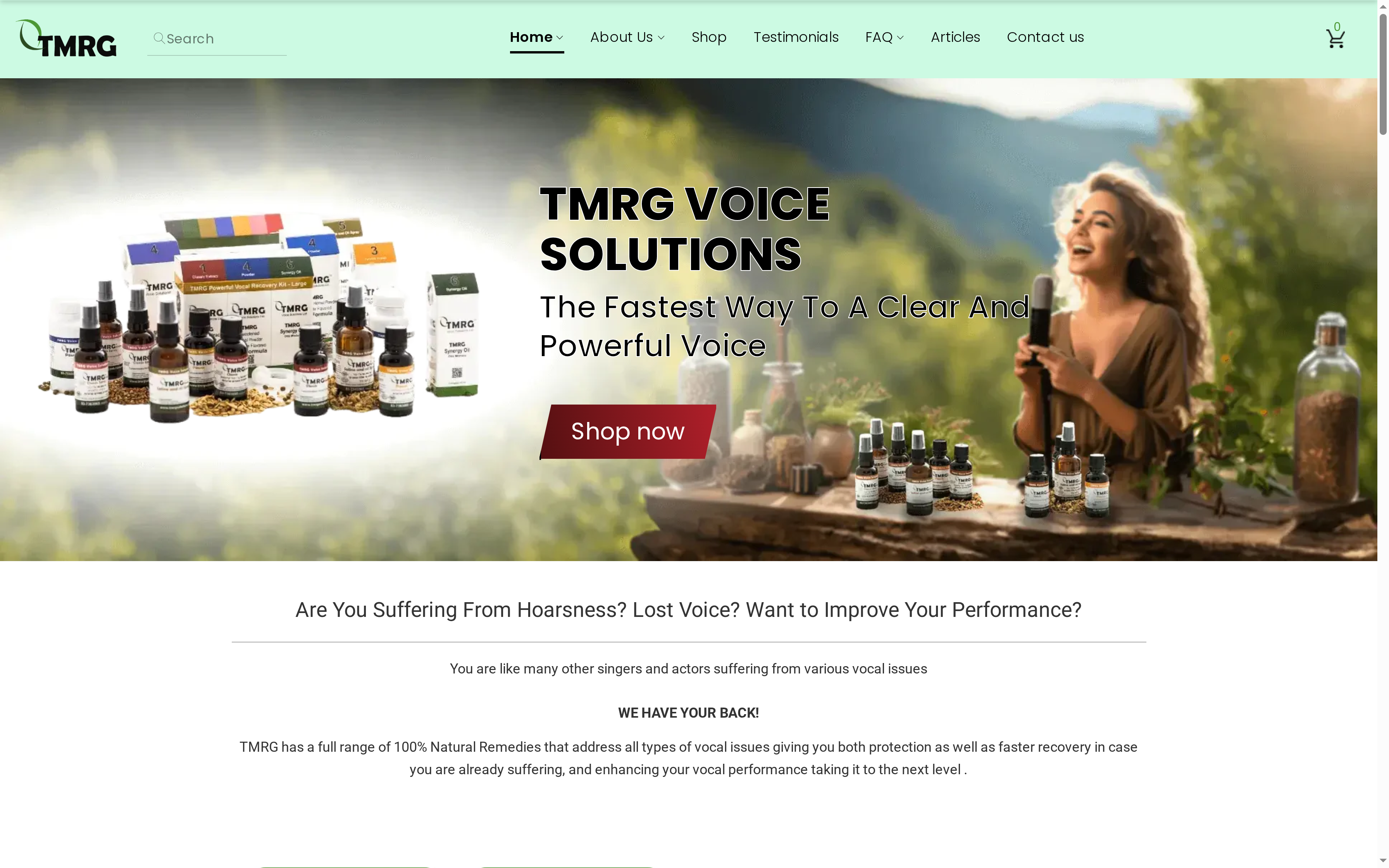
The TMRG Voice Clarity Trio combines three synergistic formulas designed to work together for maximum vocal clarity and resilience. For performers who need targeted daily support, the TMRG Impact Voice Enhancement Drops offer a concentrated herbal formula built for consistent use. Every product on the Tmrgsolutions site includes detailed guidance on use, ingredients, and how to integrate it with your existing vocal care routine. The site also offers a full FAQ and product selection support for those who want help matching a product to their specific vocal needs.
Vocal clarity enhancement products are tools and techniques that improve the intelligibility and tonal quality of the speaking or singing voice. They include physical products like herbal drops and throat sprays, as well as software tools like AI noise reduction and EQ plugins.
LUFS normalization sets the perceived loudness of your voice to match platform requirements: -23 LUFS for broadcast, -16 for podcasts, and -14 for streaming. Meeting these targets prevents your voice from sounding too quiet or too loud relative to other content on the same platform.
Herbal vocal products and software processing tools solve different problems and work best together. Herbal formulas address vocal fold health and reduce fatigue, while software shapes the acoustic output of the recording or live signal.
Over-processing is the most common mistake. Stacking too many effects without a clear purpose for each one creates an unnatural sound and strips the voice of its natural character.
Daily use of maintenance products like voice drops or synergy oils produces better long-term results than occasional intensive treatment. Consistent care keeps the vocal folds hydrated and resilient, reducing the risk of strain during performance.
