Your Cart is Empty


Laryngitis, the inflammation of the larynx (voice box), is most often caused by a viral upper respiratory infection — the same viruses behind the common cold and flu. Beyond infection, your voice can become inflamed through overuse, acid reflux, smoke exposure, allergies, or inhaled medications. Most acute cases resolve within one to two weeks with voice rest and hydration. However, hoarseness lasting longer than two to three weeks, difficulty breathing, or blood in your sputum requires prompt medical evaluation.
The core rule: Acute laryngitis is usually viral and self-limiting. Persistent or worsening symptoms are a red flag that demands clinical assessment, not more home remedies. Mayo Clinic and Yale Medicine both emphasize this distinction. For voice professionals, Tmrgsolutions offers targeted recovery support while you recover.
Laryngitis is most often viral, self-limiting, and manageable with voice rest and hydration — but persistent or worsening symptoms require clinical evaluation to rule out serious underlying causes.
| Point | Details |
|---|---|
| Viruses are the primary cause | Parainfluenza (~21%) and rhinovirus (~15%) lead identified pathogens in clinical series; most acute cases resolve within 1–2 weeks. |
| Noninfectious triggers are common | Reflux (LPR), voice overuse, smoke, allergies, and inhaled steroids all cause laryngitis without any infection present. |
| Chronic means >3 weeks | Hoarseness lasting beyond 2–3 weeks requires ENT evaluation and laryngoscopy to exclude structural lesions or malignancy. |
| Red flags need same-day care | Stridor, difficulty breathing, hemoptysis, or a neck lump alongside hoarseness require immediate medical assessment. |
| Tmrgsolutions for recovery support | Products like TMRG Loud & Clear Drops and the TMRG Voice Therapy Kits offer structured herbal support for acute recovery and long-term vocal maintenance. |
The larynx sits at the top of your trachea (windpipe) and houses two vocal folds, also called vocal cords. When you speak or sing, air from your lungs passes through the narrow gap between the folds (the glottis), causing them to vibrate rapidly. That vibration generates sound, which your throat, mouth, and nasal cavities then shape into recognizable speech.
When the vocal folds become inflamed, they swell and stiffen. Swollen folds vibrate less freely, producing a rough, reduced, or absent sound — the hoarseness you recognize immediately. Yale Medicine explains that this mechanical disruption is why voice rest is physiologically necessary: forcing swollen folds to vibrate extends the injury rather than resolving it.
Key anatomical points to keep in mind:
Pro Tip: If your voice sounds “thick” or lower than usual before it goes hoarse, that’s early-stage swelling. Treat it as a signal to reduce vocal load immediately, not to push through.
Hoarseness is the defining symptom, but laryngitis produces a cluster of related signs that vary depending on the underlying cause.
Primary symptoms include hoarseness or a rough, strained voice quality; reduced volume or complete aphonia (total voice loss); throat pain or scratchiness; a dry, persistent cough; and voice fatigue after minimal speaking. When the cause is infectious, you will typically also notice a runny nose, low-grade fever, mild sore throat, and general fatigue — the familiar pattern of a cold or flu. When the cause is reflux or voice overuse, those systemic symptoms are usually absent. The voice problems appear in isolation, often worse in the morning (a hallmark of reflux-related laryngitis) or after extended speaking or performing.
Pro Tip: Record a short voice sample each morning using your phone. Note the date, how much you spoke the day before, and any reflux or allergy symptoms. A week of recordings gives a clinician far more useful information than a verbal description of “it’s been bad for a while.”
Viruses are responsible for the large majority of acute laryngitis cases. A clinical review on PMC reports that among identified pathogens in clinical series, parainfluenza virus accounts for approximately 21% of cases, rhinovirus for approximately 15%, influenza for approximately 3%, and adenovirus for approximately 3%. SARS-CoV-2 has since been added to the list of recognized viral triggers, given its well-documented effects on the upper airway.
Statistic to know: In clinical series reviewed by PMC researchers, parainfluenza and rhinovirus together account for the largest share of identified viral causes of acute laryngitis — reinforcing why antibiotics are rarely the right treatment.
Bacterial laryngitis is uncommon in otherwise healthy adults. Fungal laryngitis, caused most often by Candida species, tends to appear in people who use inhaled corticosteroids (such as fluticasone or budesonide for asthma) or in those who are immunocompromised. Both bacterial and fungal forms require targeted therapy rather than simple voice rest.
Mayo Clinic lists the following noninfectious causes as the primary drivers of both acute and chronic laryngitis:
Laryngeal tuberculosis, autoimmune conditions (such as rheumatoid arthritis affecting the cricoarytenoid joint), and laryngeal neoplasm (cancer) can all present as persistent hoarseness. The BMJ review on laryngitis emphasizes that persistent hoarseness requires consideration of malignancy, and that specialist laryngoscopy is necessary when symptoms do not resolve on schedule.
Viral pathogens associated with acute laryngitis (from clinical series):
| Pathogen | Approximate frequency in clinical series |
|---|---|
| Parainfluenza virus | ~21% |
| Rhinovirus | ~15% |
| Influenza virus | ~3% |
| Adenovirus | ~3% |
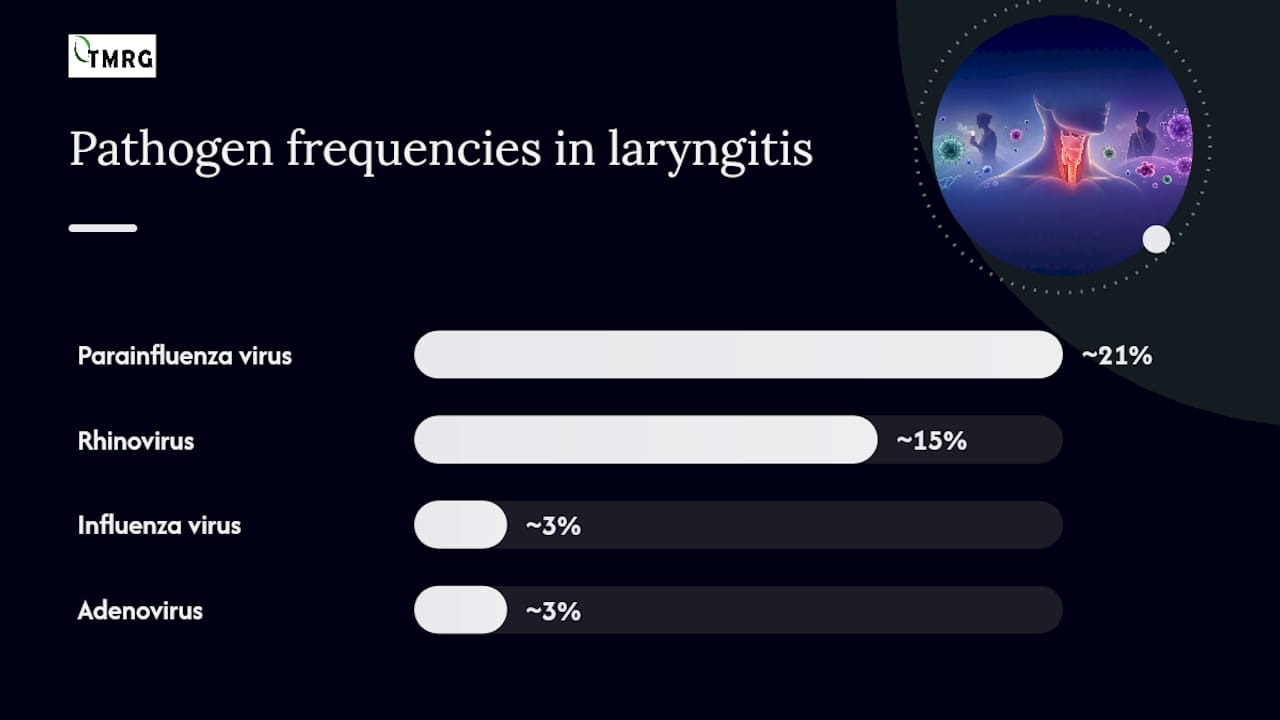
Source: PMC clinical review. Frequencies reflect identified pathogens; many cases remain untyped.
Pro Tip: At the first sign of hoarseness, stop smoking, avoid alcohol (which dehydrates the mucosa), and eliminate habitual throat clearing. Each forceful throat clear slams the vocal folds together and adds to existing inflammation.
Certain people face a meaningfully higher chance of developing laryngitis or having it persist. Recent upper respiratory infection is the single most common precipitating factor. Beyond that, risk rises with smoking, regular alcohol use, chronic acid reflux, voice-demanding work (teaching, performing, public speaking), inhaled steroid use, and any condition that suppresses immune function.
The clinical distinction that matters most: Acute laryngitis lasts fewer than three weeks and almost always resolves with conservative care. Chronic laryngitis persists beyond three weeks and signals that an ongoing irritant, structural change, or underlying condition is sustaining the inflammation. The BMJ review is explicit: chronic laryngitis can mimic laryngeal carcinoma, and specialist laryngoscopy is often necessary to rule out serious pathology.
Persistent hoarseness lasting more than two to three weeks warrants referral to an ENT (otolaryngologist) or laryngologist, regardless of how mild the symptoms feel. Learn more about managing persistent hoarseness and when it requires specialist attention.
Pro Tip: Mark the date your hoarseness began on your phone calendar. Two to three weeks passes faster than you think, and having a documented start date removes the guesswork when you call your doctor.
Most primary-care providers diagnose acute laryngitis from a clinical history and physical exam alone. The pattern is usually clear: recent cold or flu, hoarse voice, mild throat discomfort, and no red flags. No further testing is needed in that scenario.
Visualization becomes necessary when symptoms persist, when the cause is unclear, or when red flags are present. The main diagnostic tools are:
Pro Tip: Before your ENT appointment, write down: the exact date hoarseness started, a list of all inhalers and medications you use, your reflux symptoms (even mild ones), and any recordings you made. Bring that list — it cuts the diagnostic workup significantly.
The majority of acute viral cases respond well to conservative management. Voice rest is the single most effective intervention: speaking less (and whispering not at all, since whispering strains the folds as much as normal speech) allows the mucosal swelling to subside. Pair voice rest with generous hydration (water, warm broths, herbal teas), humidified air, and avoidance of smoke, alcohol, and throat clearing. Over-the-counter analgesics such as acetaminophen or ibuprofen can reduce throat discomfort.
On antibiotics: Clinical reviews, including the PMC review of acute laryngitis, note that routine antibiotics have not shown objective benefit for typical acute laryngitis and are generally not recommended. Prescribing them for a viral case adds antibiotic resistance risk without shortening recovery.
Antibiotics are indicated only when a bacterial cause is confirmed or strongly suspected. Antifungal therapy (typically fluconazole or nystatin) is needed for documented fungal laryngitis in inhaled steroid users or immunocompromised patients. Inhaled or short-course oral corticosteroids may be used in selected cases, such as performers with an imminent performance and significant vocal fold swelling, but only under clinician guidance. When LPR is the driving cause, proton pump inhibitors and dietary modification are the primary treatment.
| Care level | Approach | When it applies |
|---|---|---|
| Self-care | Voice rest, hydration, humidification, avoid irritants | Mild symptoms, recent cold or flu, no red flags |
| Primary care | Clinical exam, throat culture if needed, reflux management, steroid inhaler review | Symptoms not improving after 1 week, suspected reflux or allergy driver |
| ENT/specialist | Laryngoscopy, stroboscopy, biopsy, voice therapy referral | Hoarseness >2–3 weeks, red flags, suspected structural lesion |
Acute viral laryngitis almost always resolves fully within one to two weeks. The risk of lasting harm is low when the voice is rested and irritants are removed. Chronic or repeatedly untreated laryngitis is a different matter.
Persistent mechanical overuse combined with ongoing inflammation can produce:
Seek immediate care if you experience any of the following: stridor (a high-pitched noise on breathing in), progressive difficulty breathing or swallowing, coughing up blood (hemoptysis), a lump in the neck, or unexplained weight loss alongside persistent hoarseness. These signs require same-day or emergency evaluation, not watchful waiting.
Prevention works on two fronts: reducing infectious exposure and protecting the larynx from noninfectious irritants.

For infectious prevention, annual influenza vaccination and consistent hand hygiene (washing hands for at least 20 seconds, avoiding touching your face) are the most evidence-supported steps. Staying current with your flu shot matters especially for voice professionals, since influenza is associated with higher rates of laryngitis and prolonged cough compared with many other respiratory infections.
For noninfectious prevention, the daily checklist is straightforward: drink enough water to keep your urine pale, avoid shouting in noisy environments (use a microphone instead), warm up your voice before extended use, and stop habitual throat clearing. If you use a steroid inhaler, rinse your mouth and gargle with water after every dose to reduce laryngeal deposition. Treat reflux actively — dietary changes, elevating the head of your bed, and avoiding late meals all reduce acid exposure to the larynx.
Dry air thickens mucus and increases the friction on vocal fold surfaces.
Voice professionals face a compounded risk. The mechanical load of daily rehearsals, performances, and teaching in noisy rooms is far higher than conversational speech, and the pressure to perform through early symptoms is a cultural norm that causes real structural damage over time. Harvard Health notes that persistent misuse can lead to nodules or structural lesions requiring voice therapy or surgery — outcomes that are largely preventable with early intervention.
Practical workplace rules that protect the voice:
When symptoms appear, the decision tree is simple: mild hoarseness after a heavy day responds to rest and hydration. Hoarseness that persists beyond a few days, or that recurs regularly, needs an ENT or speech-language pathologist (SLP) evaluation before the next performance cycle.
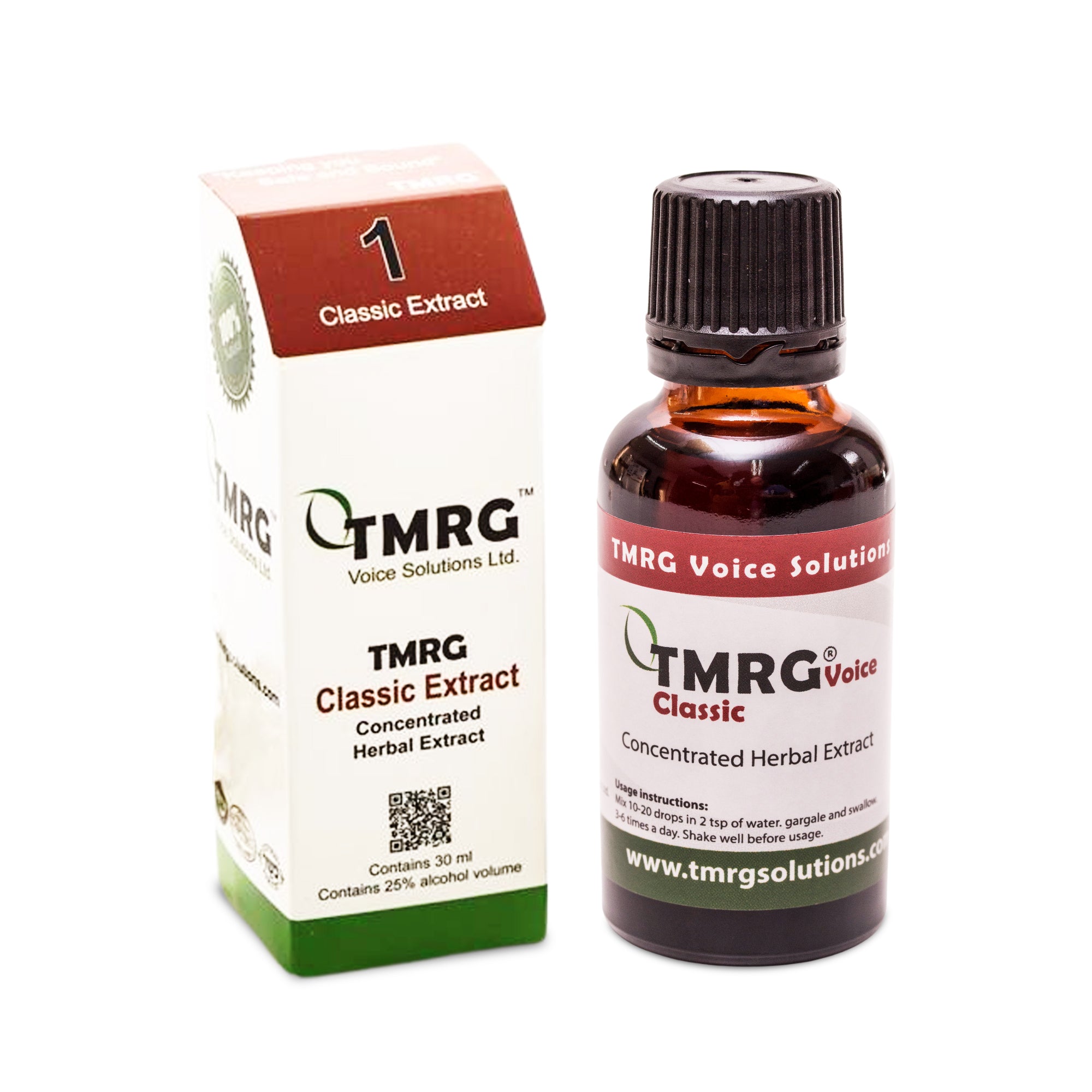
Tmrgsolutions products can fit into both acute recovery and ongoing maintenance. For acute voice loss, TMRG Loud & Clear Classic Voice Recovery Drops and the TMRG Shine Bright Classic Voice Recovery Spray provide targeted herbal support during the recovery window. For daily protection and moisture, the TMRG Defense Oils and Saline Voice and Throat Spray helps maintain laryngeal hydration between performances. Singers managing longer recovery arcs or building vocal resilience can explore the TMRG Singer’s Super Power supplement and the TMRG Protection Voice Synergy Oil Lost Vocal Drops as part of a structured maintenance plan.
Pro Tip: Schedule a baseline laryngoscopy with a laryngologist at the start of each performance season if your voice is your livelihood. Knowing what your healthy folds look like makes it far easier to detect early changes before they become career-affecting problems.
Most articles on laryngitis stop at “rest your voice and drink water.” That advice is correct but incomplete, and the gap between what people are told and what they actually need to know is where vocal injuries happen.
The piece of guidance that gets consistently underweighted is this: the threshold for specialist evaluation should be much lower than most people apply. Two to three weeks of hoarseness sounds like a long time to wait, but many people normalize voice changes for months before seeking care, particularly when symptoms fluctuate. Fluctuating hoarseness is not reassurance — it is a pattern that still warrants laryngoscopy, because early structural lesions and even early malignancy can wax and wane.
The second underweighted point is reflux. Laryngopharyngeal reflux is one of the most common causes of chronic laryngitis in adults, and a significant portion of those affected have no heartburn at all. If your hoarseness is worst in the morning, if you clear your throat constantly, or if you feel a persistent lump sensation in your throat, reflux is a plausible driver even without any digestive symptoms. Treating it empirically while awaiting specialist evaluation is reasonable and often produces rapid improvement.
Voice professionals specifically tend to underestimate cumulative load. A single performance does not cause nodules. Months of performing through inflammation, skipping warm-ups, and relying on throat clearing as a quick fix does. The vocal folds are tissue, and tissue has limits. Respecting those limits early is not caution — it is the most professional thing you can do for your instrument.
Recovering from laryngitis requires more than waiting it out. For singers, teachers, actors, and speakers, every day of impaired voice is a professional setback — and generic advice rarely addresses the specific demands of a performance-driven life.

Tmrgsolutions brings 25+ years of vocal health expertise directly to you through a range of natural herbal formulations designed for acute recovery and long-term vocal protection. Whether you need the fast-acting support of TMRG Loud & Clear Voice Recovery Drops, the soothing coverage of the TMRG Shine Bright Voice Recovery Spray, or a structured recovery plan through a Voice Therapy Kit, the products are built for people who depend on their voice. Browse the full vocal recovery product range and find the right fit for where you are in your recovery right now.
These clinical resources underpin the guidance in this article and are worth reading if you want more detail.
This article is general information, not a substitute for advice from a qualified doctor. Consult a qualified healthcare professional about your own circumstances before acting on anything here.
Voice rest is the single most effective step: stop speaking as much as possible and avoid whispering, which strains the vocal folds equally. Pair rest with consistent hydration, humidified air, and removal of irritants like smoke and alcohol; most viral cases improve noticeably within three to seven days.
Not necessarily. While viral upper respiratory infections are the most common cause, laryngitis also develops from voice overuse, acid reflux, allergies, and inhaled medications — none of which involve an active infection.
Parainfluenza virus and rhinovirus are the most frequently identified pathogens in clinical series, according to a PMC clinical review, followed by influenza and adenovirus. SARS-CoV-2 is also a recognized cause of acute laryngitis.
If your laryngitis is from a viral infection, staying home reduces transmission risk to others and gives your voice the rest it needs. If the cause is reflux or voice overuse, rest is still beneficial, but isolation is not medically necessary.
Yes. Allergic rhinitis produces postnasal drip that coats and irritates the vocal folds, and the habitual throat clearing it triggers adds direct mechanical trauma. Treating the underlying allergy with antihistamines or nasal corticosteroids often reduces laryngeal symptoms as well.
