Your Cart is Empty


TL;DR:
- Voice therapy kits actively support vocal recovery through targeted herbal remedies, hydration, and exercises.
- They address root causes like inflammation and tissue flexibility better than passive rest alone.
- Using a kit proactively can prevent serious vocal damage and enhance long-term vocal health.
Vocal strain is one of the most common professional hazards for singers, actors, and public speakers, yet the recovery process is consistently misunderstood. Many performers assume that silence and rest will fully restore a strained voice, and while rest matters, it is rarely enough on its own to support the full rehabilitation your vocal folds need. A voice therapy kit changes that equation entirely. This article explains what voice therapy kits are, what they contain, how they work, and why they offer a more complete path to recovery than passive approaches alone.
| Point | Details |
|---|---|
| Active recovery matters | Voice therapy kits provide targeted support beyond simple rest for vocal health. |
| Kit contents vary | Different kits offer specialized items and guidance for vocal professionals at all levels. |
| Natural solutions work | Using a kit helps speed up recovery and maintain optimal performance safely. |
| Compare before choosing | Understanding the differences between kits and traditional care helps make the best choice. |
Most vocal professionals know what vocal strain feels like: the raspy edge creeping into your tone, the tightness behind your larynx, the moment when your voice simply refuses to carry. What fewer people understand is that voice therapy for vocal health is a structured, active recovery process, not just a period of waiting for symptoms to fade.
A voice therapy kit is a curated collection of tools, remedies, and guidance resources designed to actively support the healing and strengthening of strained or fatigued vocal folds. These kits draw on natural herbal formulations, targeted hydration methods, and therapeutic routines to address the root causes of vocal dysfunction rather than just masking symptoms.
“Voice therapy kits are used for rehabilitating patients with speech or vocal disorders.” — TMRG Solutions Voice Health Resource
Who uses these kits? The answer is broader than you might expect:
The key misconception worth addressing is that rest alone equals recovery. In reality, passive rest allows inflammation to decrease, but it does nothing to restore tissue flexibility, improve circulation to the vocal folds, or rebuild the muscular coordination that voice professionals depend on. Active recovery using a structured therapy kit accelerates this process and reduces the risk of re-injury when you return to full performance.
Now that you understand what a voice therapy kit is, let’s look at what is actually inside these kits and why each element matters for your recovery.
Voice therapy kits are not one-size-fits-all products. Professional voice therapy kits include specialized items for targeted recovery, and the exact contents vary depending on the severity of your vocal condition and your professional demands. That said, most kits share a core set of components that work together as a system.
Common items found in voice therapy kits include:
The kits available from TMRG are structured in three tiers to match different needs and budgets:
| Kit level | Ideal for | Key features |
|---|---|---|
| Basic voice therapy kit | Mild strain, preventive use | Core drops, spray, and basic guide |
| Standard kit overview | Moderate vocal fatigue or hoarseness | Expanded herbal formulas, recovery schedule |
| Premium kit details | Chronic strain, heavy performance schedules | Full supplement range, dietary plan, priority support |
The tiered structure matters because using a basic kit for a serious vocal injury is like using a bandage on a deep wound. Matching the kit level to your actual condition is the first and most important step toward effective recovery.
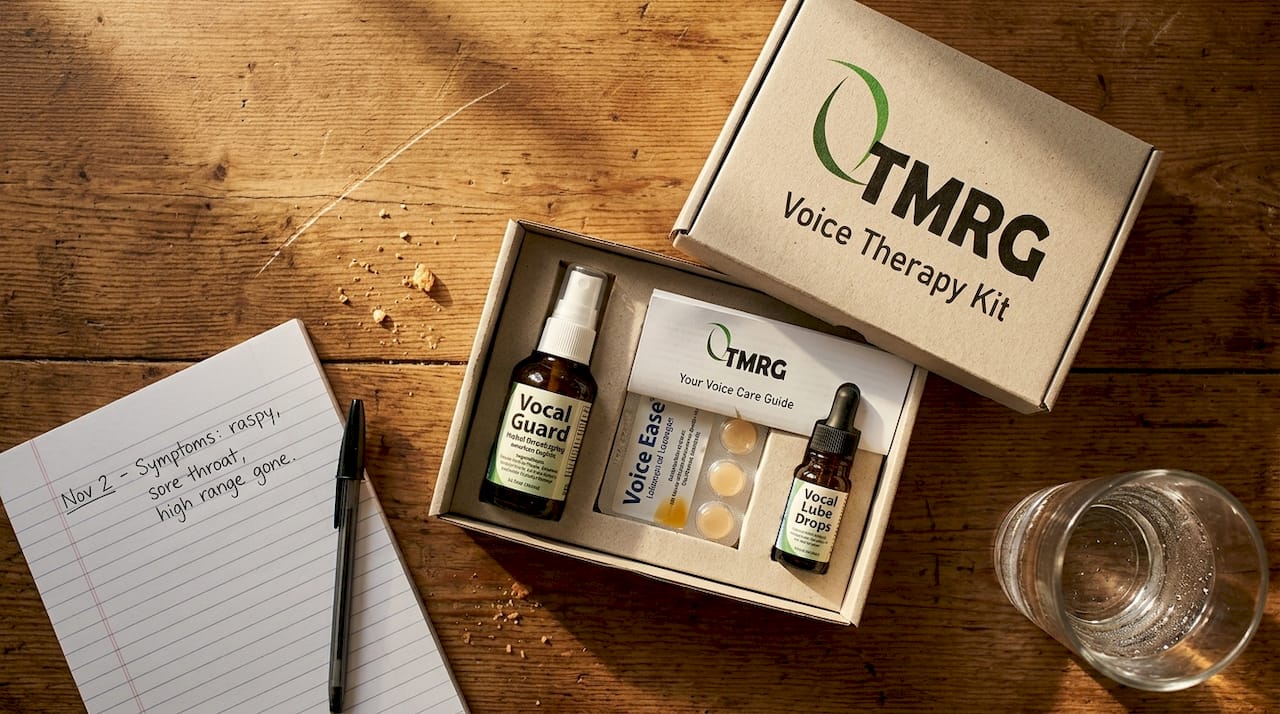
Pro Tip: If you are unsure which kit tier suits your situation, document your symptoms for three to five days before purchasing. Note when strain occurs (morning, post-performance, or continuous), how long it has persisted, and whether your voice recovers overnight. Bringing this data to your selection process, or to a vocal health specialist, will help you invest in the right level of support from the start.
Once you understand what the kits include, it is critical to understand how they actually deliver results for vocal professionals. The process is not magic. It is biology working in your favor when you give it the right conditions.
Voice therapy kits play a role in rehabilitating patients with speech or vocal disorders by addressing the three primary biological needs during vocal recovery: hydration, inflammation reduction, and tissue flexibility.
Here is how a structured natural recovery process typically works when using a therapy kit:
Reduce acute inflammation. The first priority is calming swollen or irritated vocal fold tissue. Herbal drops and sprays containing botanicals like slippery elm, marshmallow root, or licorice root create a soothing mucosal layer that reduces friction and irritation during normal speaking and swallowing.
Restore surface hydration. Vocal folds vibrate at extraordinary speeds, sometimes over 200 cycles per second during normal speech, and they depend on thin surface moisture to function smoothly. Sprays and hydration protocols in the kit directly address this need, keeping the mucosal surface supple.
Support systemic healing. Liquid herbal supplements in the kit work internally to reduce whole-body inflammation, support the immune response, and improve circulation to the laryngeal tissues. This systemic support speeds the natural repair process.
Rebuild vocal flexibility through guided exercises. Recovery guides included in the kits provide graduated vocal exercises that gently reintroduce vibration and range work without stressing healing tissue. These exercises restore the full coordination between your breath support, vocal fold tension, and resonance cavities.
Prevent re-injury through dietary management. Acid reflux, dairy-related mucus buildup, and dehydrating food choices are among the most common causes of prolonged vocal recovery. The dietary guidance in the kit helps you remove these obstacles systematically.
Understanding the voice therapy benefits for vocalists makes it clear why passive rest simply cannot replicate what a structured kit provides. Rest stops the damage. A therapy kit actively repairs it.
The types of voice therapy available extend beyond kits to include resonance therapy, breath support training, and manual laryngeal techniques. However, a well-designed kit brings the most accessible and self-directed elements of these approaches into your daily routine without requiring constant professional appointments.
Pro Tip: Use your kit remedies in the morning before speaking rather than only after vocal fatigue sets in. Morning application reduces baseline inflammation before your vocal folds face the demands of your day, making a measurable difference in stamina and tone quality by afternoon.
To decide if a voice therapy kit is right for you, it helps to see how these kits compare against the traditional vocal care methods most performers fall back on.
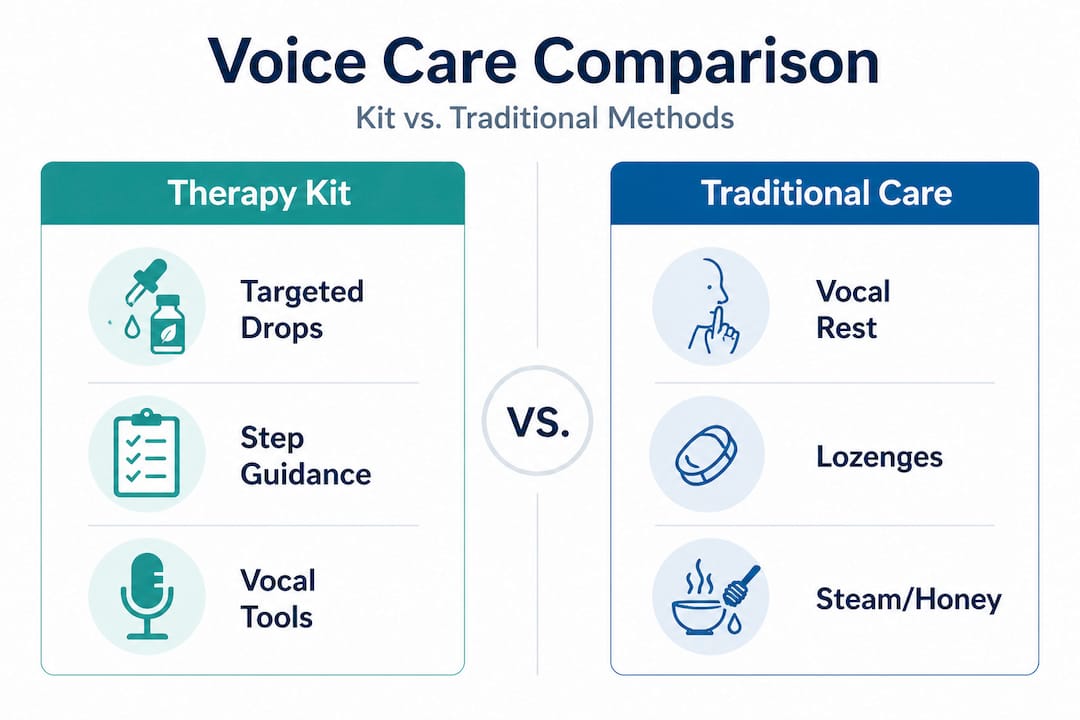
Traditional methods typically include vocal rest, over-the-counter lozenges, steam inhalation, hot liquids with honey, and in more serious cases, prescribed medications such as corticosteroids or proton pump inhibitors for reflux. These methods are familiar and they are not without merit. But they also carry real limitations.
Voice therapy kits are used for rehabilitating patients with vocal disorders by offering targeted support that traditional care methods rarely provide. Here is an honest comparison:
| Feature | Voice therapy kit | Traditional vocal care |
|---|---|---|
| Targeted herbal action | Yes, formulated for vocal tissue | Rarely, most remedies are general |
| Portability | High, travel-friendly | Variable, steam requires equipment |
| Guided recovery protocol | Yes, step-by-step included | Usually absent |
| Addresses root causes | Yes, hydration, inflammation, diet | Often addresses symptoms only |
| Natural formulation | Yes, herbal-based | Mixed, often includes medications |
| Cost over time | Moderate upfront, lower ongoing | Can escalate with specialist visits |
Advantages of voice therapy kits:
Limitations of traditional care:
Learning more about coaching vocal recovery from specialists reinforces one consistent finding: the professionals who recover fastest and return to full performance soonest are those who combine rest with active, targeted therapy rather than waiting passively for symptoms to resolve.
Here is the perspective we rarely see discussed openly in vocal health circles: most singers and actors treat voice recovery as a reactive event rather than a proactive practice. You strain your voice, you panic, you rest, you hope for the best. That cycle is exhausting and, over time, genuinely damaging to long-term vocal health.
The real issue is not that professionals do not care about their voices. It is that the standard advice, “rest your voice and drink water,” sets an impossibly low bar for what your vocal folds actually need to recover well. Think of it this way: a professional athlete with a muscle strain does not just sit on the couch for two weeks. They receive physiotherapy, targeted nutrition, and guided rehabilitation. Your vocal folds are muscles and membranes that respond to the same logic.
Voice therapy kits can transform vocal health when used proactively, but most performers only reach for one after a crisis. The smarter approach is to integrate a kit into your regular performance hygiene, the same way you warm up before singing or cool down after a show. Daily use of herbal drops and a consistent hydration protocol takes less than ten minutes and can prevent the kind of acute strain that sidelines a performance.
What we have learned over 25 years of working with vocalists is that the performers who maintain their voice most effectively are not the ones with the strongest natural talent. They are the ones with the most consistent daily habits. Understanding your own vocal problems in detail, whether that is chronic dryness, post-nasal drip, or reflux-related irritation, allows you to address the specific factors that make you vulnerable.
Do not wait until you lose your voice to take vocal health seriously. The window for easy recovery narrows with each strain episode. Build your kit into your routine now, and your voice will have the resilience to carry you through the performances that matter most.
If you are ready to move from understanding to action, TMRG offers voice therapy kits built specifically for the demands of singers, actors, and professional speakers.
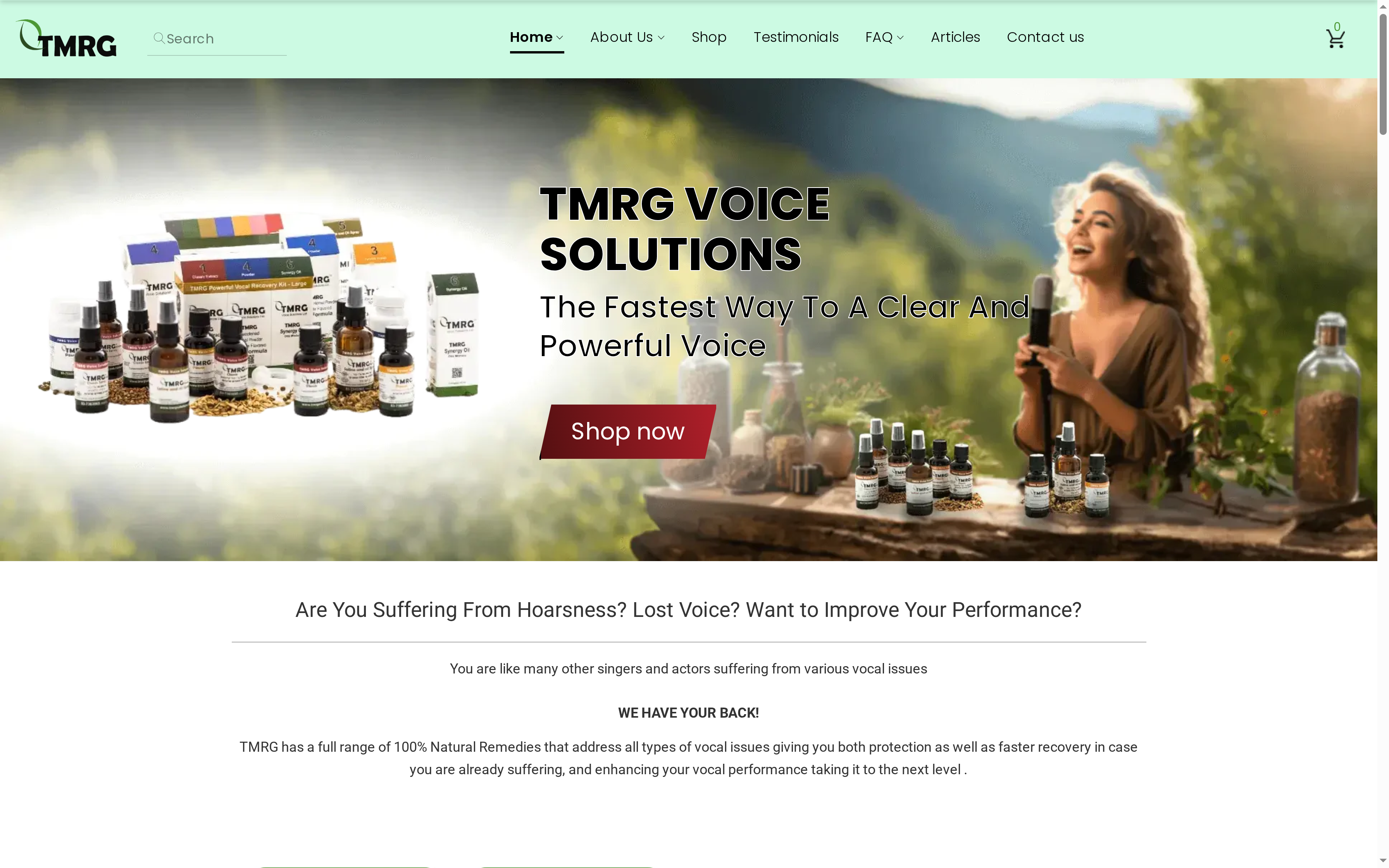
Whether you are just beginning to notice signs of vocal fatigue or managing a more serious strain, there is a kit calibrated to your situation. The basic kit is an accessible starting point for mild strain and preventive care, while the standard kit adds deeper herbal support and structured recovery guidance for moderate conditions. For performers with demanding schedules or persistent vocal challenges, the premium kit delivers the most complete natural recovery system available. Explore the options and find the support your voice deserves.
Most kits feature herbal drops, throat sprays, and step-by-step guidance designed to support natural vocal recovery. Professional kits also include dietary plans and expanded herbal formulas for more targeted rehabilitation.
No, voice therapy kits serve actors, public speakers, lecturers, and anyone experiencing vocal strain or needing rehabilitation support. As noted in vocal health resources, these kits address a wide range of speech and vocal disorders.
Some users notice meaningful relief within a few days, while full recovery from significant strain may take several weeks of consistent use. The step-by-step recovery process built into each kit helps you track and pace your progress safely.
Kits are highly effective for mild to moderate vocal strain, but serious injuries such as nodules, cysts, or hemorrhage require professional medical evaluation. Vocal health guidance consistently recommends using kits as a complement to, not a replacement for, clinical care when symptoms are severe or persistent.
